Understanding Breast Cancer: Causes, Symptoms, and Treatment


Many women worldwide are battling breast cancer. This is a disease that affects women of all ages, from young to old, in large numbers. There are still many misconceptions, myths, and fears among people regarding breast cancer and its treatment.
Prevention and treatment of breast cancer are possible, but it is extremely important to have the right information, identify symptoms, and know preventive measures. In this report, we will try to answer every important question related to breast cancer.
Here is a conversation with Dr. Rajinder Kaur, Breast Cancer Surgeon and Director at Max Super Specialty Hospital:
- Is it necessary to remove the breast in every case?
Having breast cancer does not mean the breast has to be removed. Nowadays, we perform a modern surgery called 'Oncoplastic Breast Conserving Surgery'.
When patients come to us in the early stages, we only remove the lump and try to restore the remaining breast to its original shape. Even if a woman's breast size is large, we try to reduce it and give it the correct shape, and this is possible.
- Can men also get breast cancer?
Breast cancer can occur not only in women but also in men. However, the possibility is very low. For every 100 cases seen in women, only one case is found in men.
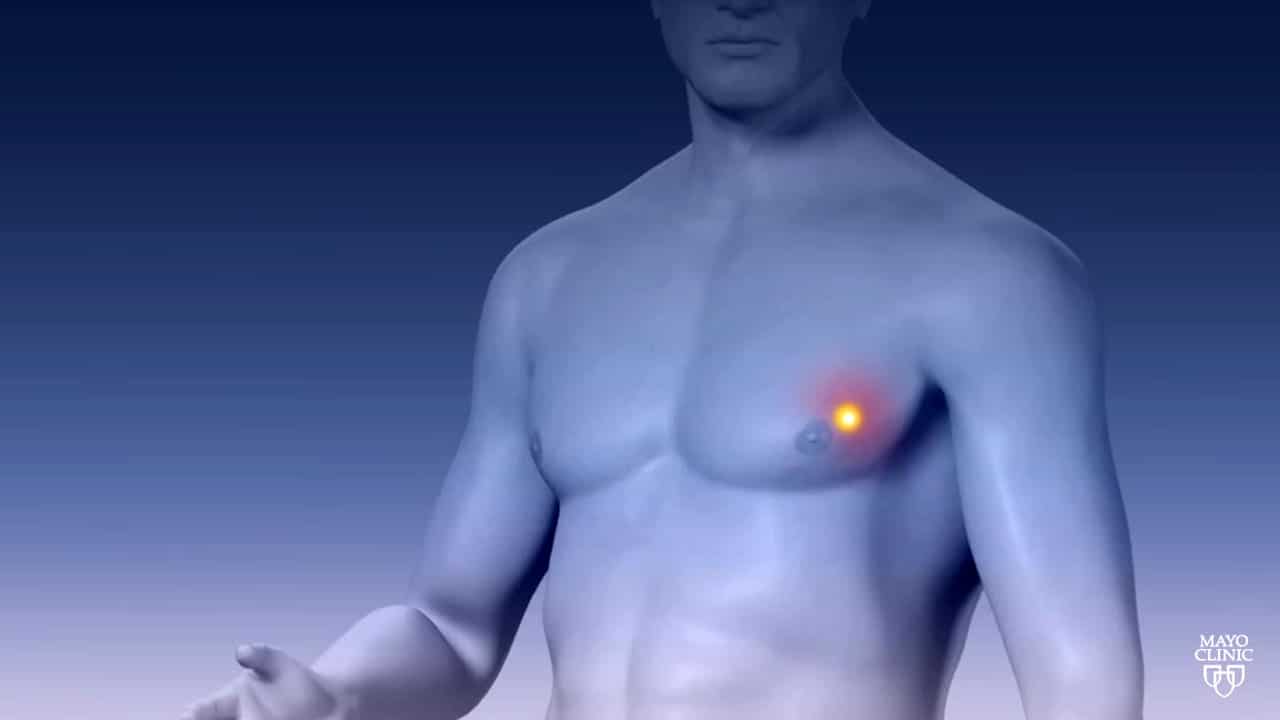
In fact, men also have breast tissue below the nipple, and cancer can develop there. Its symptoms are also similar to those in women, such as a lump in the breast, discharge from the nipple, or the nipple turning inward.
- What are the symptoms of breast cancer?
It is very important to identify the early symptoms of breast cancer. A painless lump in the chest, discharge of water or any fluid from the nipple, nipple turning inward, hardening or redness of the skin of the chest, and any change in the size of the chest are early symptoms of breast cancer.
- What causes breast cancer?
Certain habits and physical changes can increase the risk of breast cancer. Early onset of menstruation, obesity, late menopause, not having children or not breastfeeding, lack of physical exercise, and addiction to alcohol, cigarettes, or tobacco are causes. These are all risk factors.
Besides this, if someone in the family has had breast cancer before, the risk also increases. When all these factors occur together, the probability of developing breast cancer increases significantly.
- What lifestyle changes can be made to prevent this?
If you are overweight, try to reduce it. Especially after menopause, do not let fat accumulate around the abdomen. Having children before the age of 30 is considered beneficial, and breastfeeding the baby for at least one year is essential. Also, pay attention to your diet and definitely do some physical exercise daily. Such small habits can significantly reduce the risk of breast cancer.
- How to detect?
After the age of 20, every woman should examine her breasts once a month. This helps in knowing the normal condition of the body and identifying any difference or abnormality immediately if felt. The earlier a change is detected, the easier the treatment. Therefore, consult a doctor without delay.
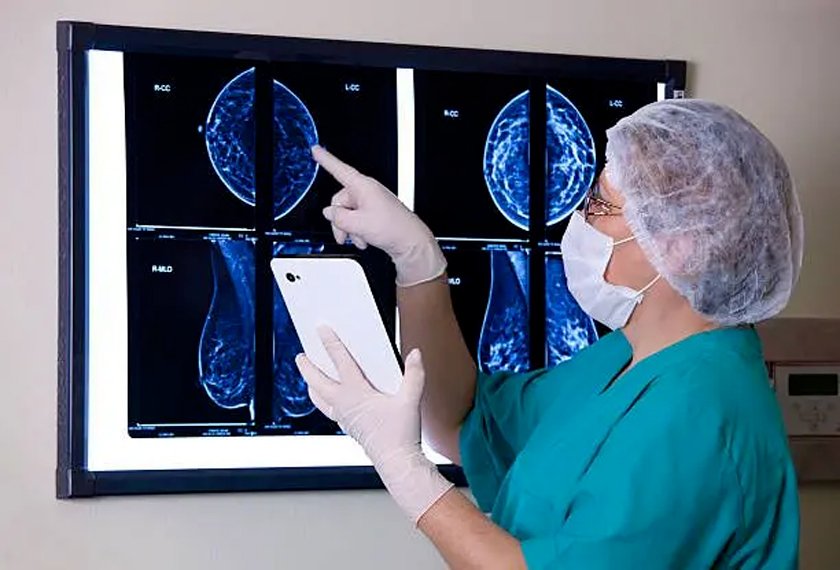
The second method is to get examined by a doctor once a year. This is called 'Clinical Breast Examination'. In this, the doctor can tell whether everything is fine or not by examining with their own hands. The third and most reliable method is mammography, i.e., an X-ray of the chest. This examination is so precise that even the smallest lump can be detected. Studies have shown that getting a mammogram every year after the age of 40 can reduce the risk of breast cancer by up to 40 percent.
- Do women who have never breastfed have a higher risk of breast cancer?
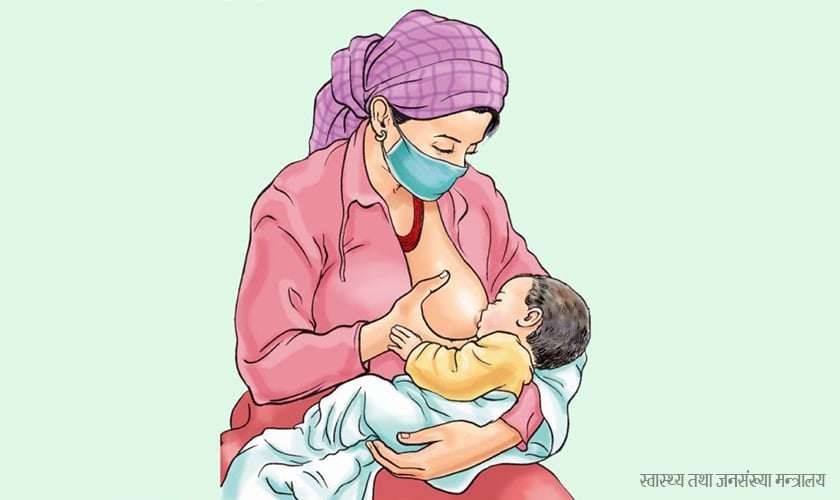
Breastfeeding is an effective way to prevent breast cancer. Women who breastfeed for one year have a 2 to 4 percent lower risk of cancer. The longer women breastfeed, the more beneficial it is. For example, if a woman breastfeeds for two years, the risk decreases by 8 to 12 percent. In fact, during breastfeeding, the estrogen hormone is less active in the body, which causes breast cells to mature faster, reducing the risk of cancer.
- Up to which stage is breast cancer treatable?
The earlier breast cancer treatment begins, the better. In Stage-1 and Stage-2, 90 to 95 percent of patients can be cured. This involves initial surgery followed by chemotherapy and radiation therapy. In Stage-3, the cancer has spread a bit further. Therefore, chemotherapy is given first to shrink the lump and facilitate surgery, followed by the remaining treatment.
In Stage-4, the cancer has spread to other parts of the body. In such cases, efforts are made to make the patient's life more comfortable and longer through targeted therapy and immunotherapy. The availability of all these modern treatment facilities in India is a positive aspect.
- Can cancer occur at any age?
Breast cancer can occur at any age. Once, a 19-year-old girl came to me with her mother. She had a tumor in her breast, and it was bleeding and discharging water. When I examined it, the report confirmed breast cancer. When I asked the mother why she delayed, she replied that we never even dreamed that a small lump in a 19-year-old girl's chest could be cancer.
Five to six months passed with this thought, and the lump turned into cancer. By the time the girl reached the doctor, the cancer had spread throughout her body, and despite months of treatment, she could not be saved. This sad incident teaches us a valuable lesson: do not delay, and consult a doctor as soon as a lump is noticed.
- Are there any side effects of cancer treatment?
Cancer treatment has side effects, but these effects disappear on their own after the treatment is completed. The main side effect seen in women is hair loss, and even eyebrows and eyelashes fall out.
During treatment, the patient's breast may have to be removed, which causes many mental and physical changes. But as soon as the treatment is completed, the patient recovers. Head and eyebrow hair grows back. We restore the breast to its original shape.
- Can cancer be cured with Ayurvedic treatment?
Ayurveda can be helpful in boosting the body's immunity, but it is not a complete cure for cancer. Many times, patients feel that cancer is being cured by Ayurvedic medicine, but in reality, the cancer is growing internally.
By the time the reality comes out, it is too late. The consequences can be very dangerous. Therefore, consider Ayurveda only as a supportive treatment and rely on a doctor's advice for the definitive treatment of cancer.
- If breast cancer has been cured, can it recur in any patient?
In some cases, breast cancer can return even after being cured. The possibility is higher in individuals who had a severe condition initially, did not undergo regular treatment, or stopped treatment midway.
- If a woman in the family has breast cancer, what role should the men in the family play?
Cancer is not just a woman's fight. It is the responsibility of the entire family. During this time, the woman needs emotional and mental support the most. During this period, women feel very scared, and negative thoughts come to their minds. Many women experience insomnia, loss of appetite, and a desire to cry. At such times, she needs emotional support the most, and in this situation, her life partner can be the biggest support.
(Published by Collective Newsroom for BBC)
This specific news has been automatically translated by AI. As a result, there may be some inaccuracies or language errors.