Hetauda Boasts Over 300 Bird Species Within City Limits


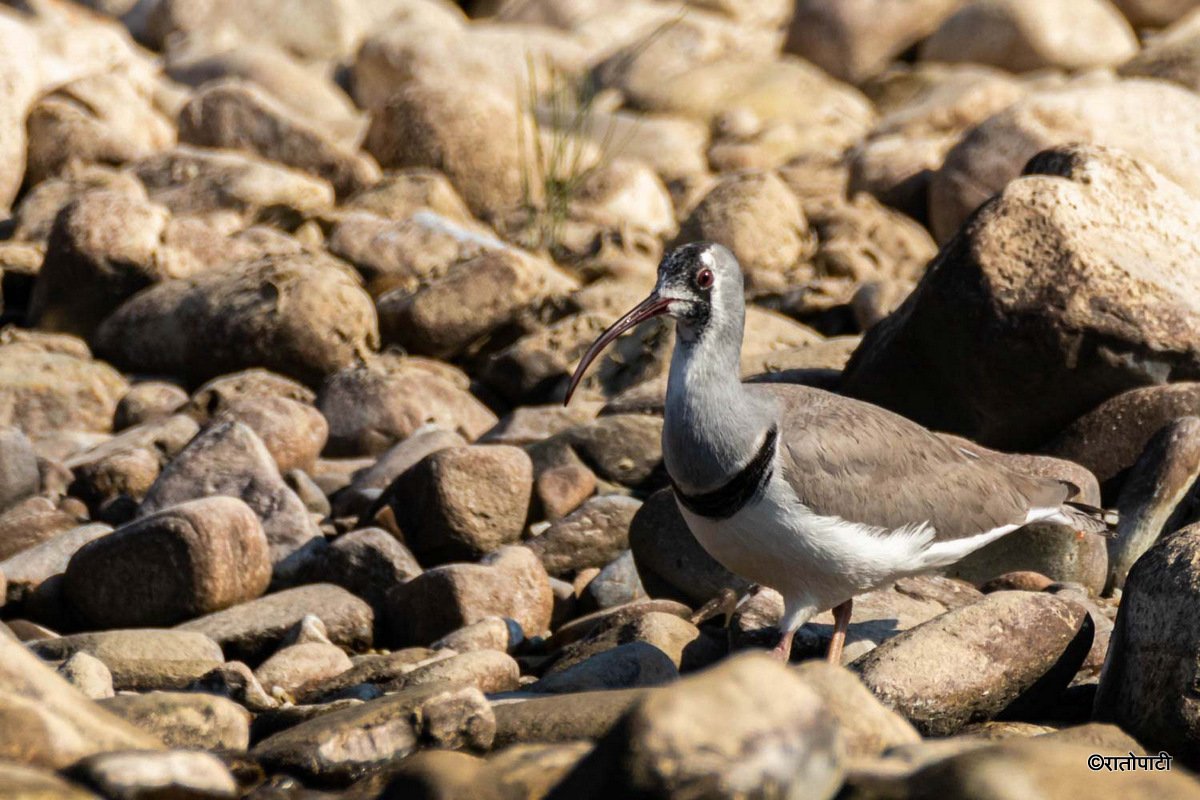
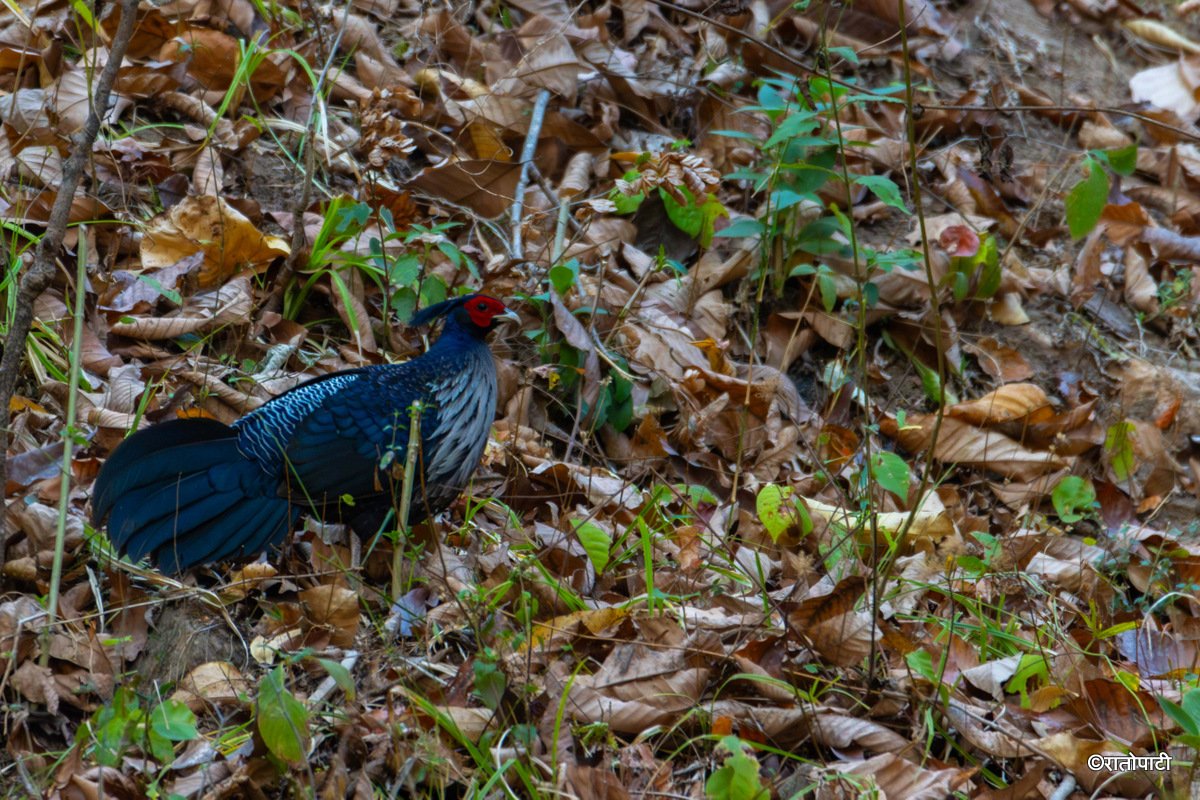
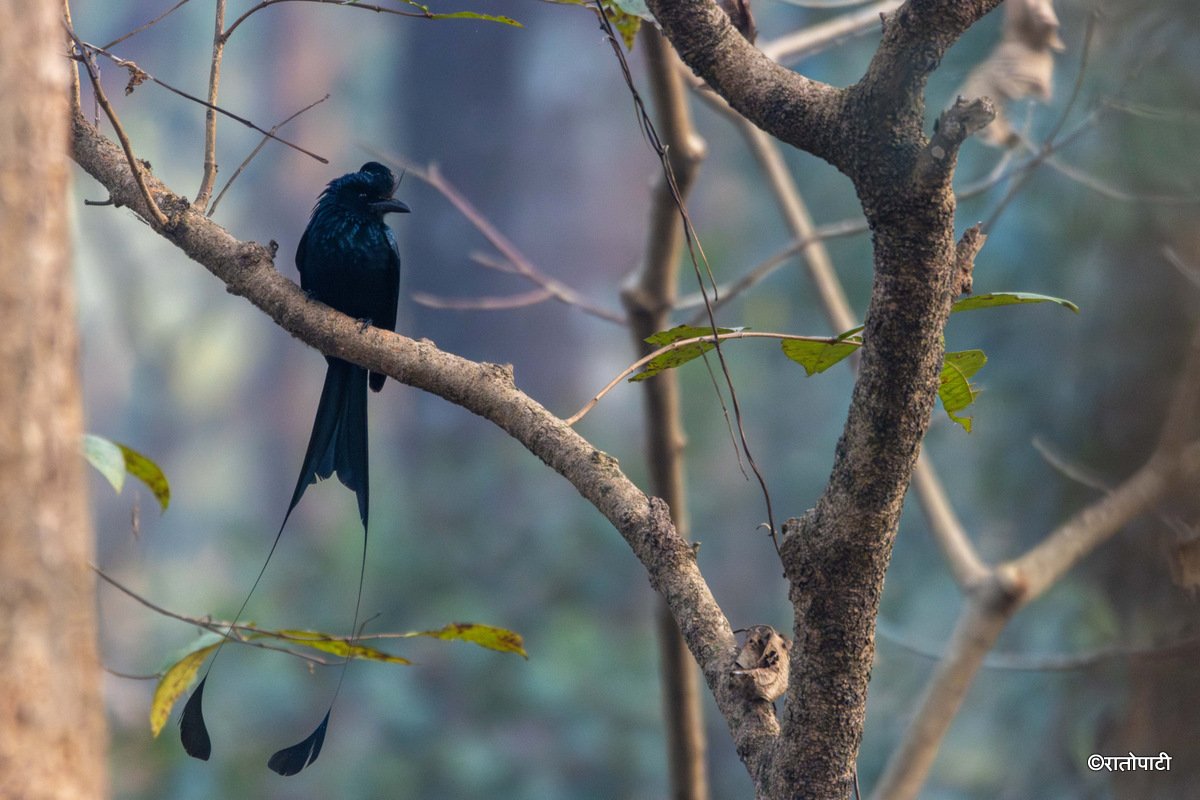
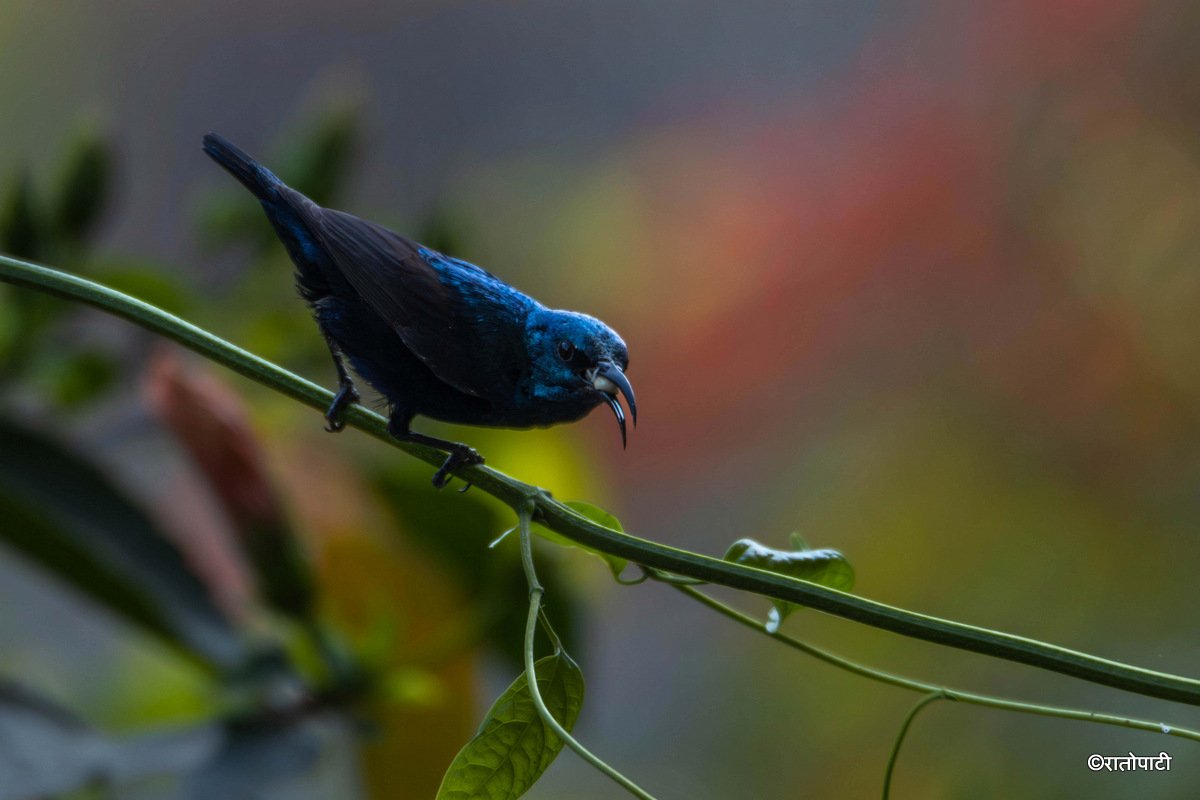
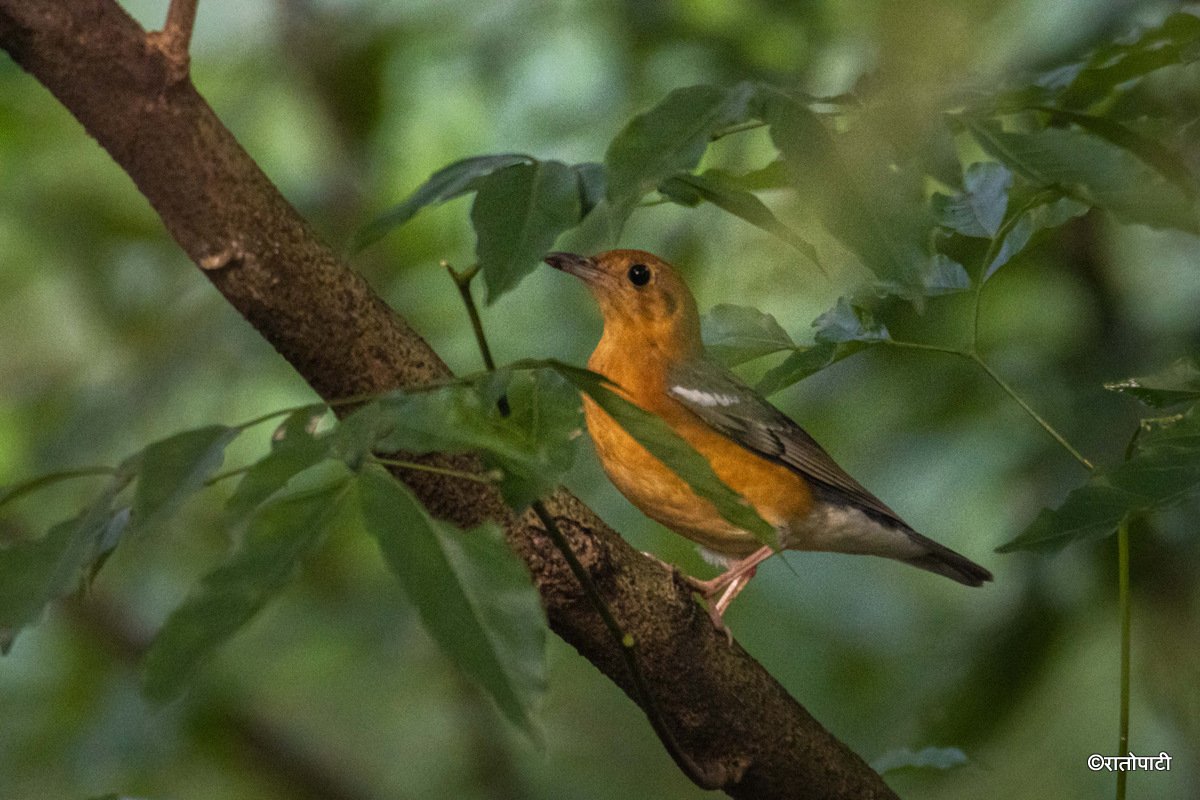
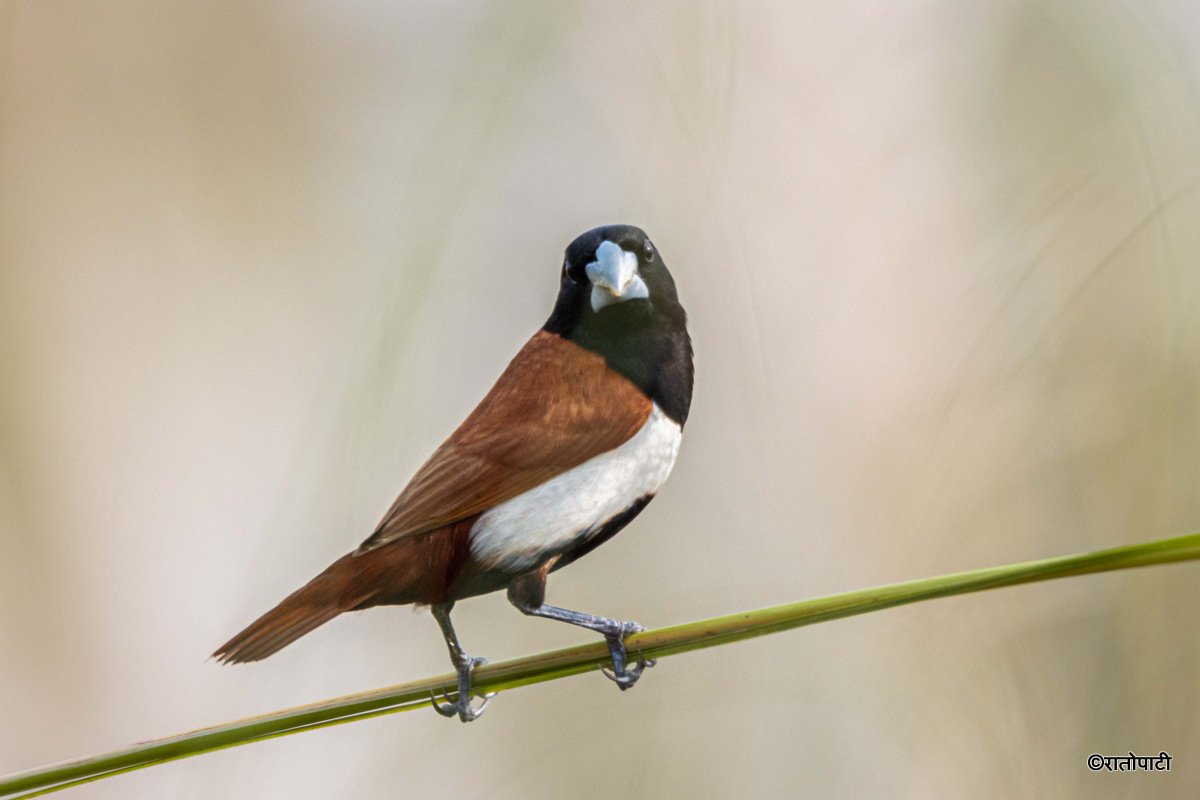
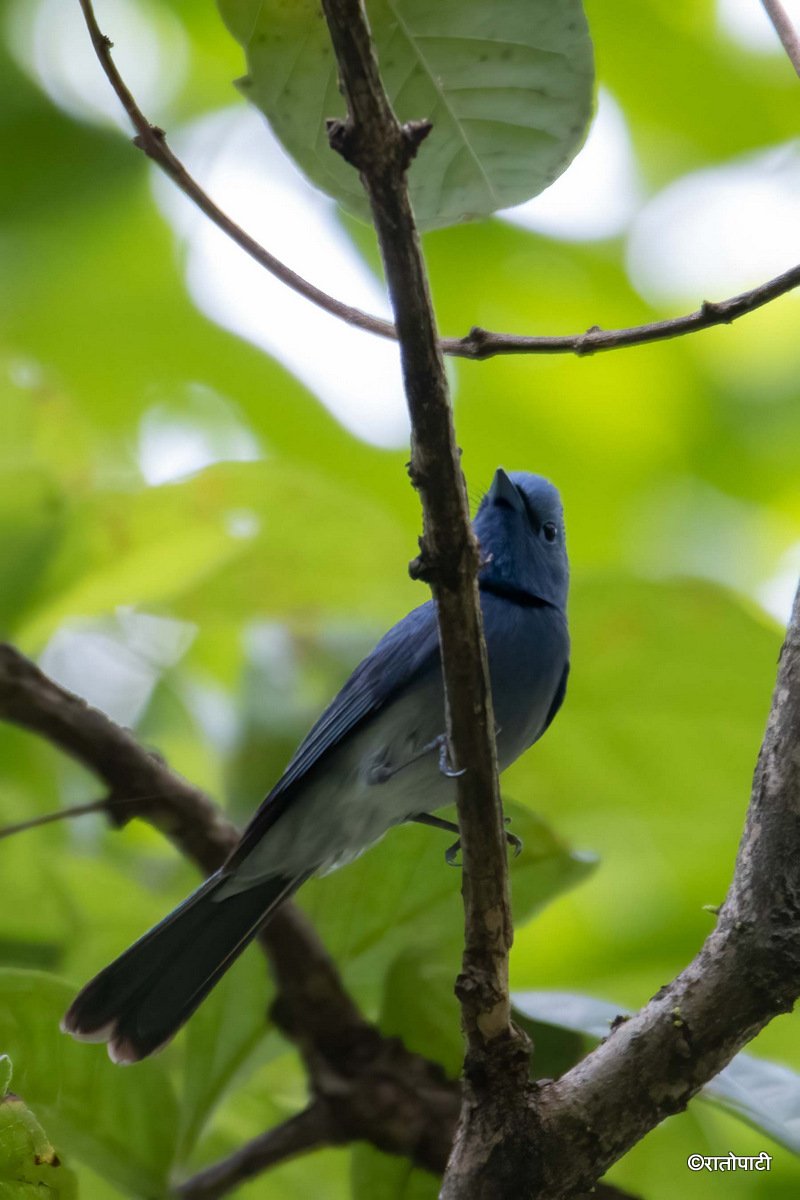
Hetauda. We often think we have to go to distant forests or protected areas to observe birds. But according to the data released by Hetauda Sub-Metropolitan City, there are more than 300 species of birds within the sub-metropolitan city itself. This fact provides a strong basis for establishing Hetauda as a potential "Urban Birding Destination".
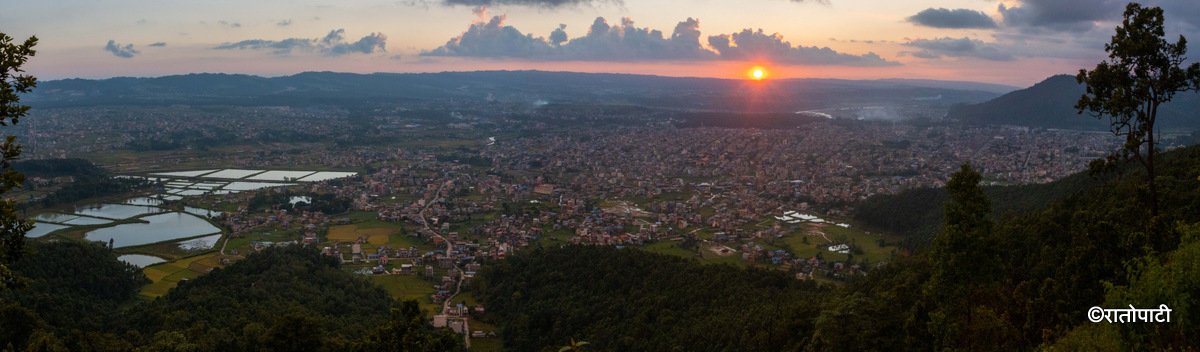
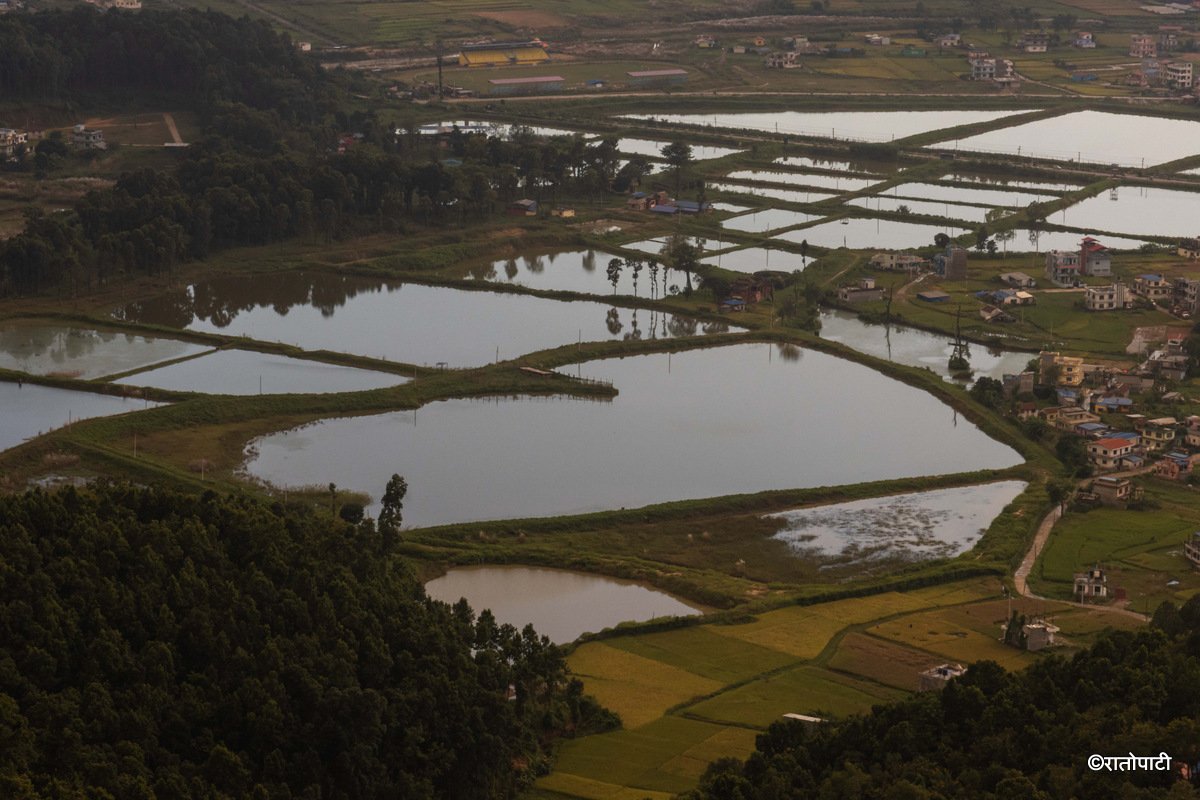
As Hetauda falls within the inner Terai, its topography is extremely diverse. Sal forests, hills, flat plains of the Terai, rivers and streams, wetlands, and arable land—all these provide suitable habitats for various birds. Due to this diversity, birds from both hilly and Terai regions can be seen in the same place.
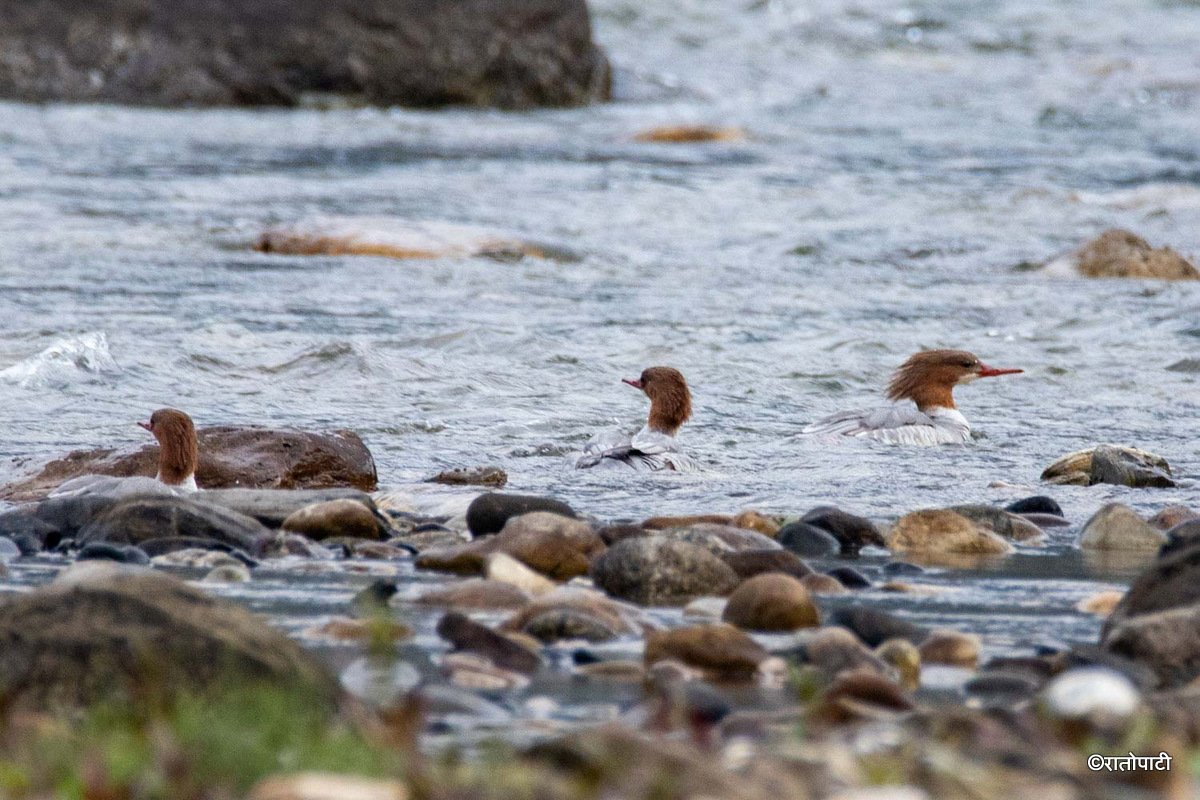
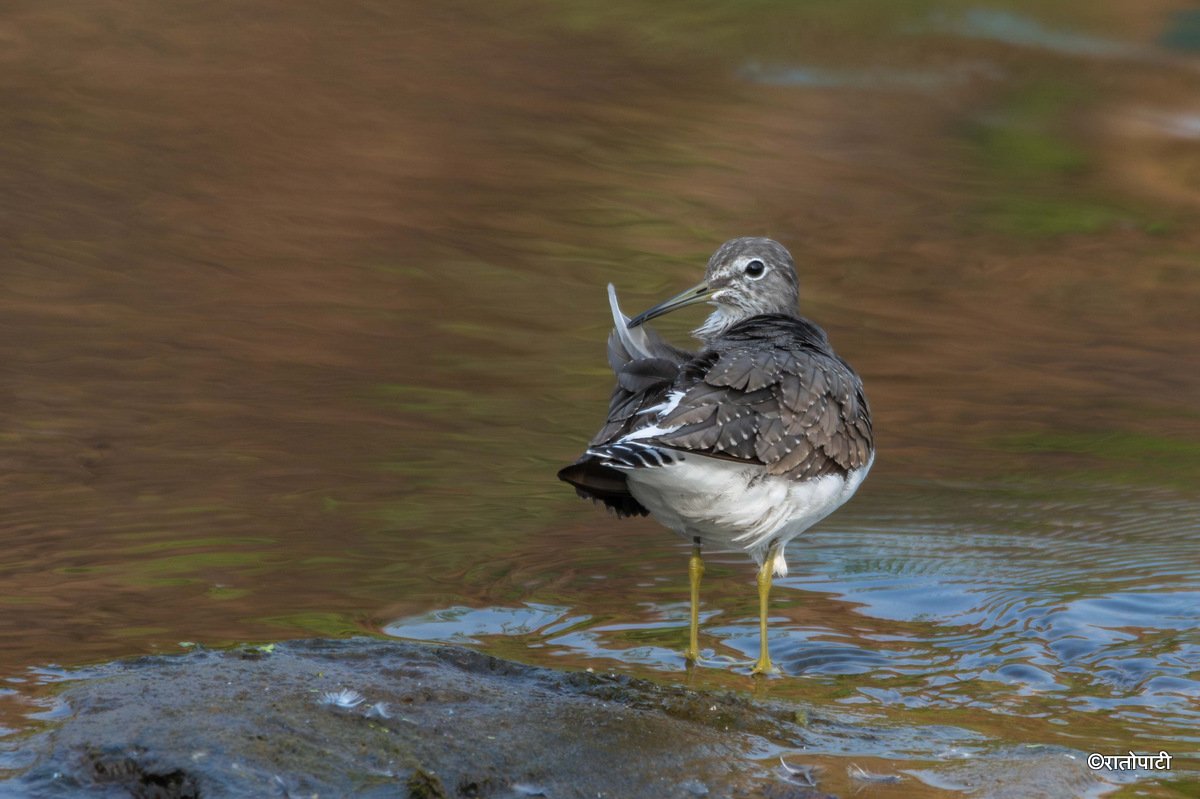
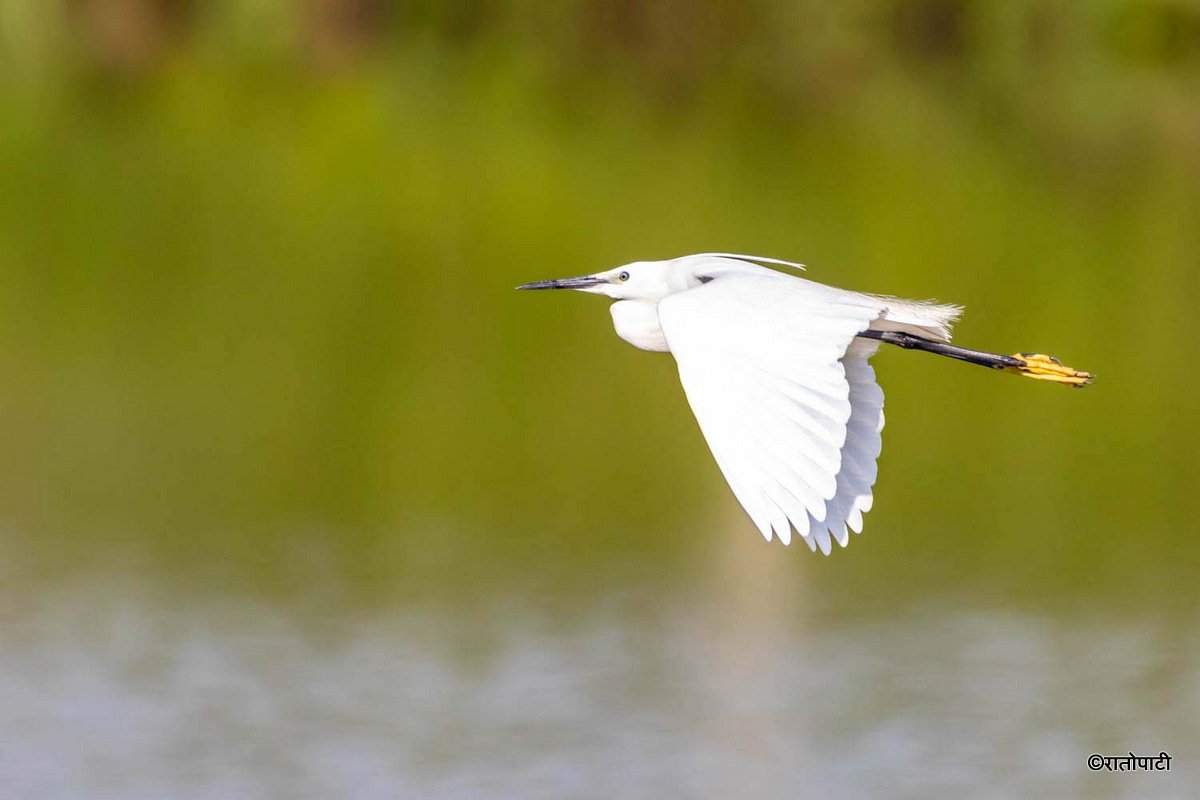
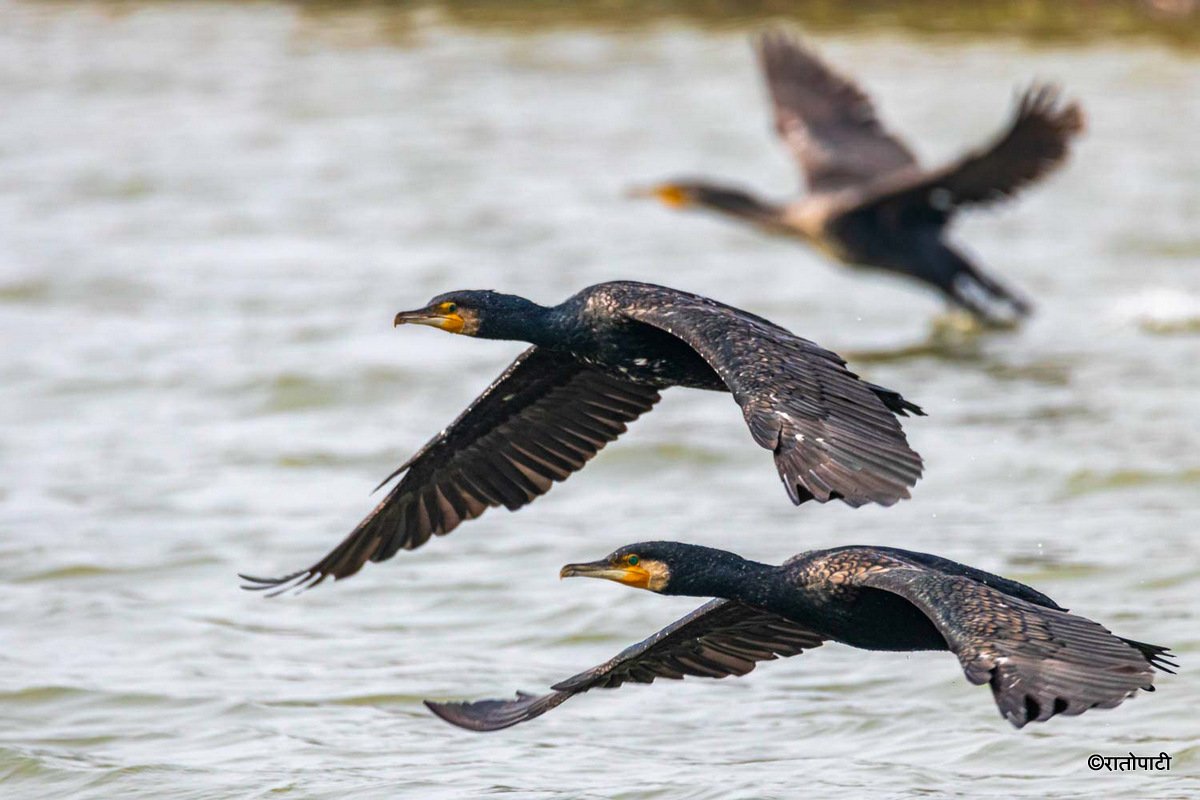
Especially during the winter months, the activity of birds increases significantly here. Birds related to water are seen in large numbers in rivers and streams, wetlands, and fish farming areas, while various species of birds can be regularly observed in arable lands.
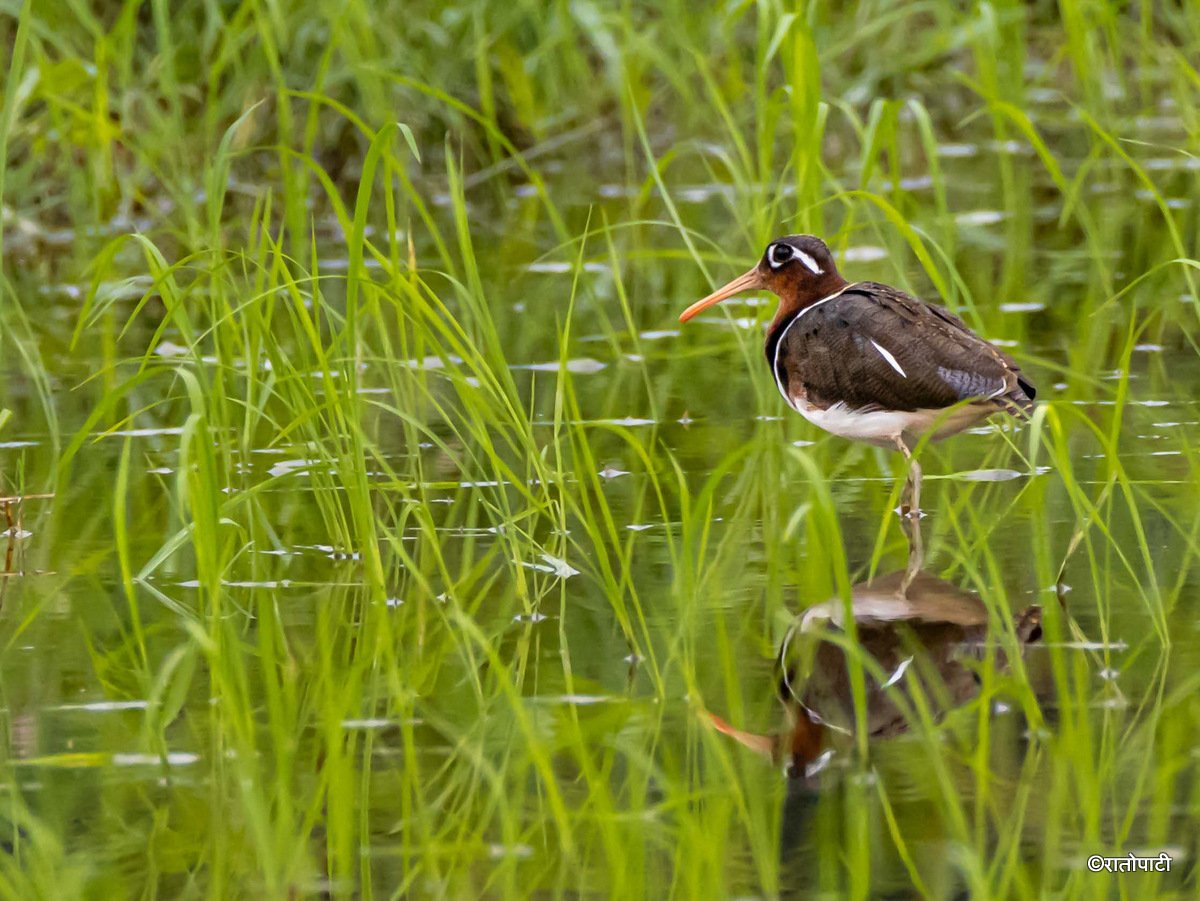
Another specialty of Hetauda is—you don't have to go far to observe birds. Within the forest of the Forest Campus, located about 200-300 meters from the main market area, nearly 150 species of birds have been recorded. Such rich diversity in such an accessible location is a great potential in itself.
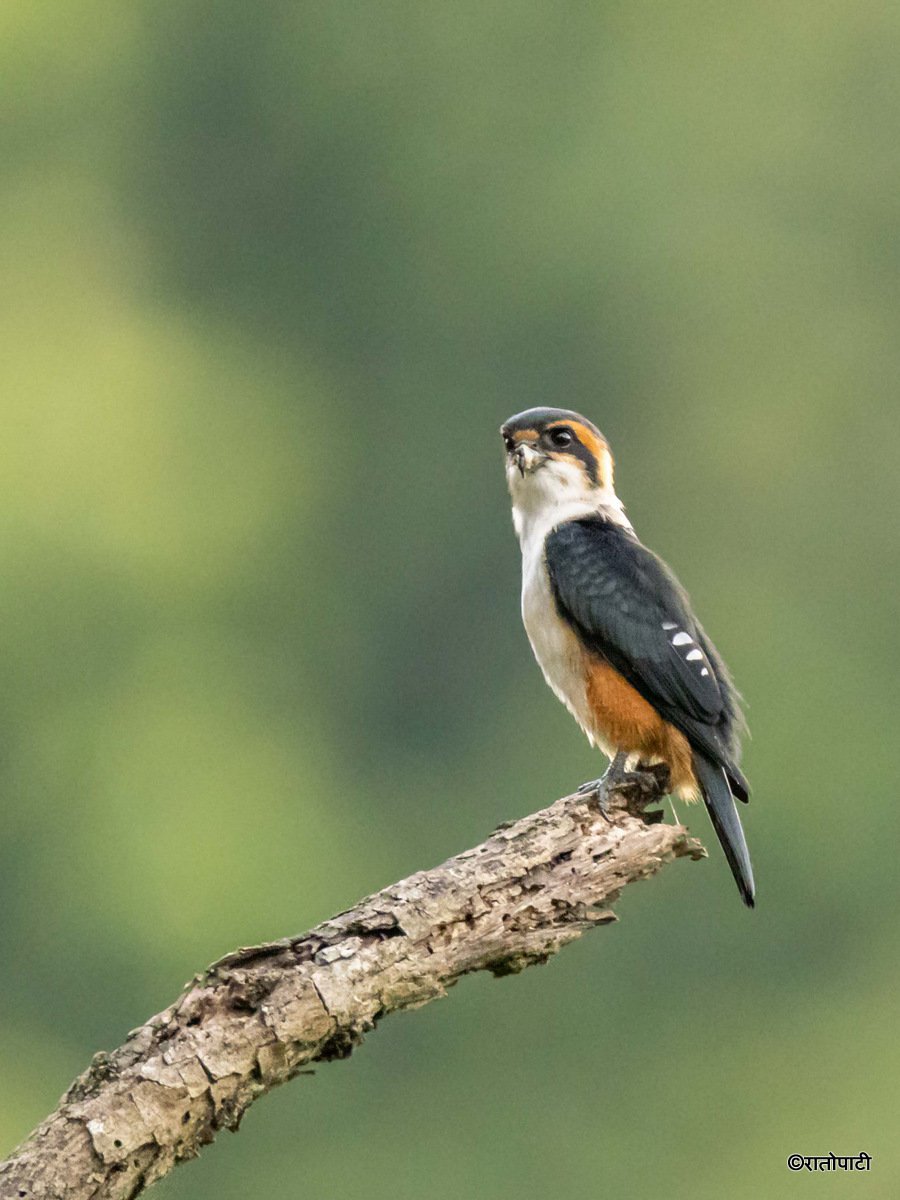
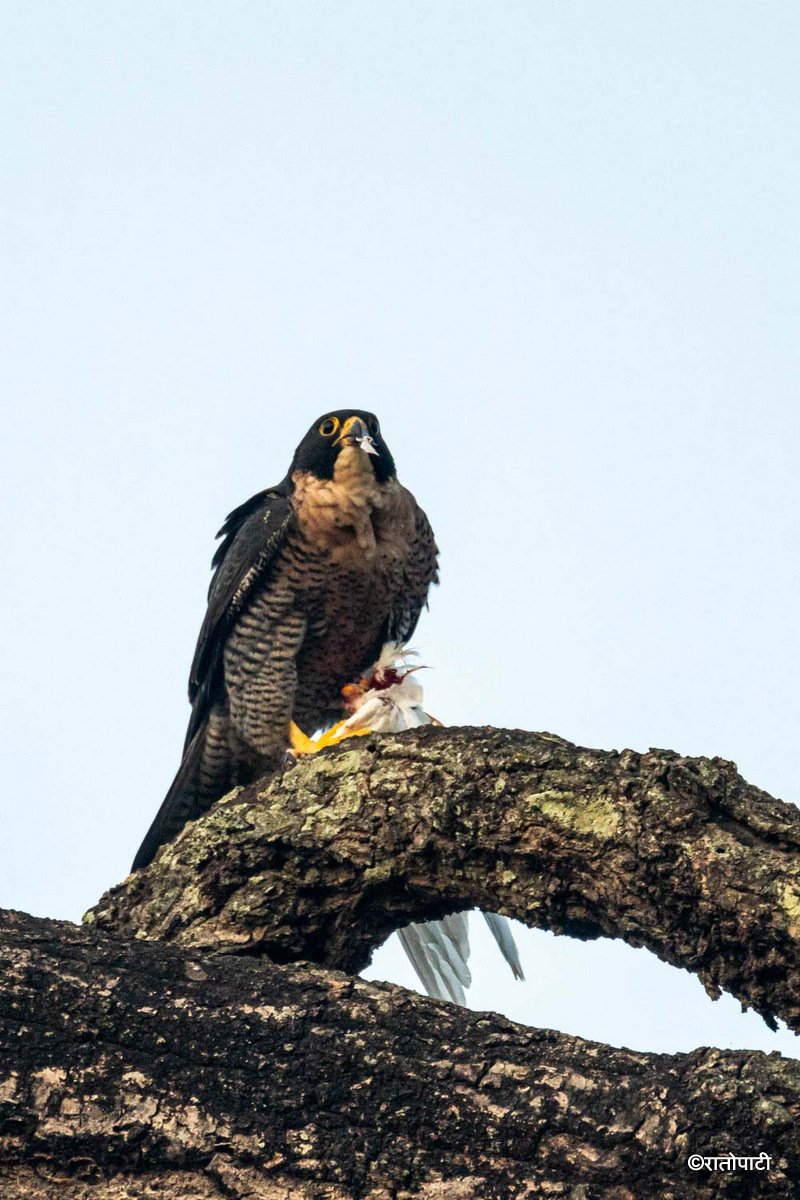
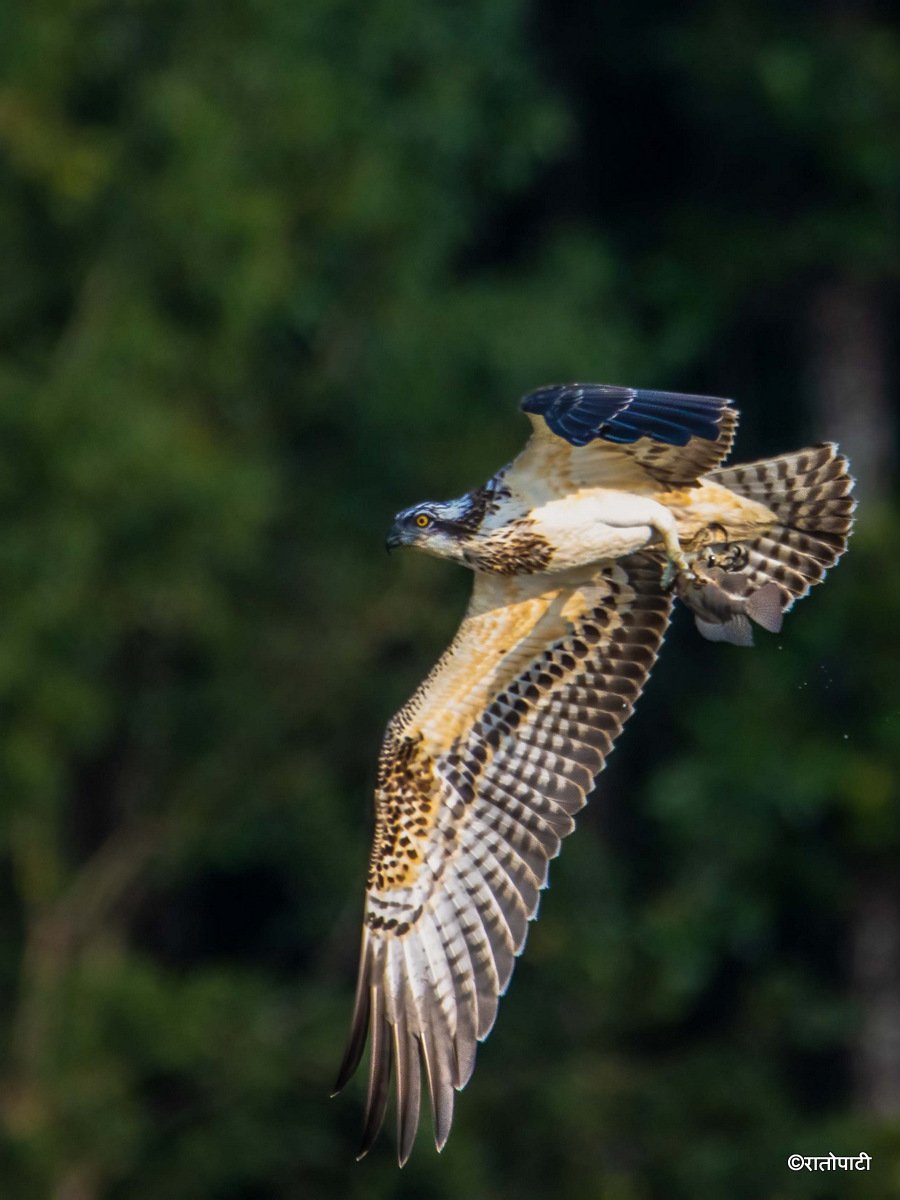
Eagles, hawk species, and other birds of prey are an important part of the food chain in this area. Also, birds related to both water and land, such as stints, snipes, and ducks, are regularly seen here.
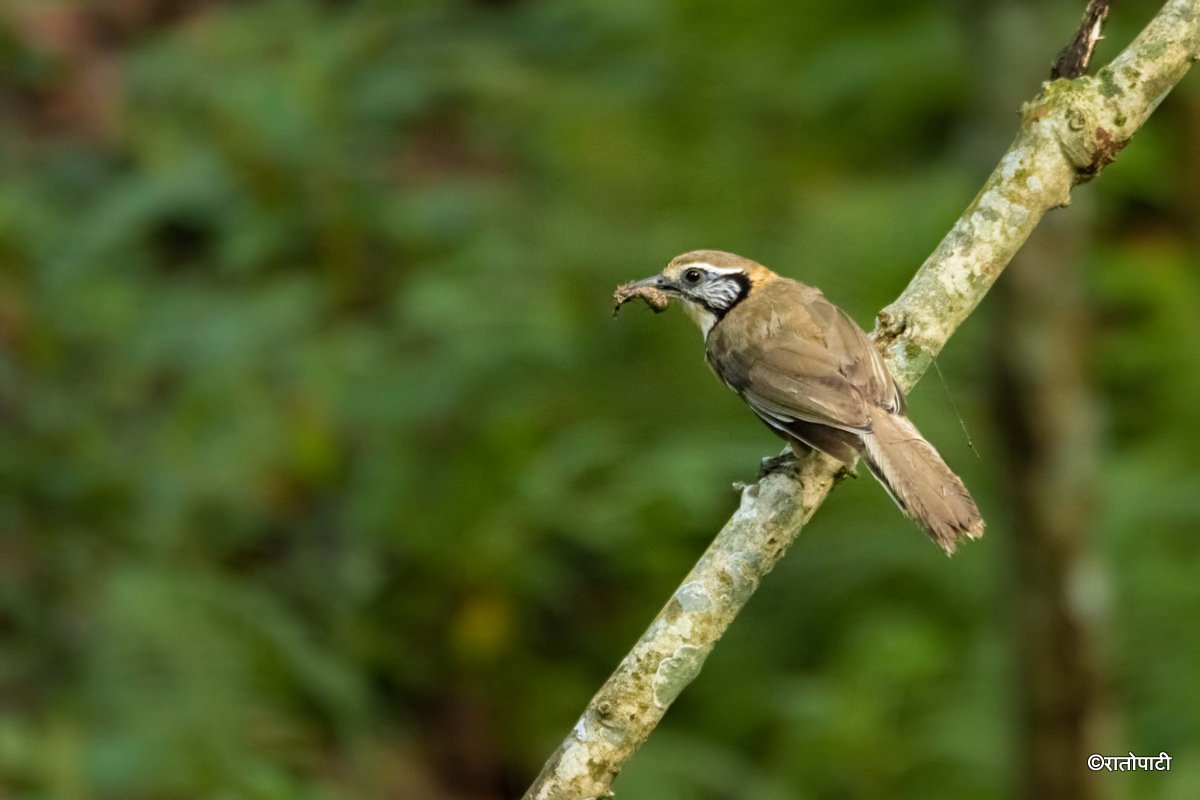
Hetauda is not only a habitat for resident birds, but it is also an important resting place for migratory birds. Many species of birds stay here for a short time during migration—sometimes only for one night—and then continue their journey. This also establishes Hetauda as an important ecological corridor at regional and international levels.
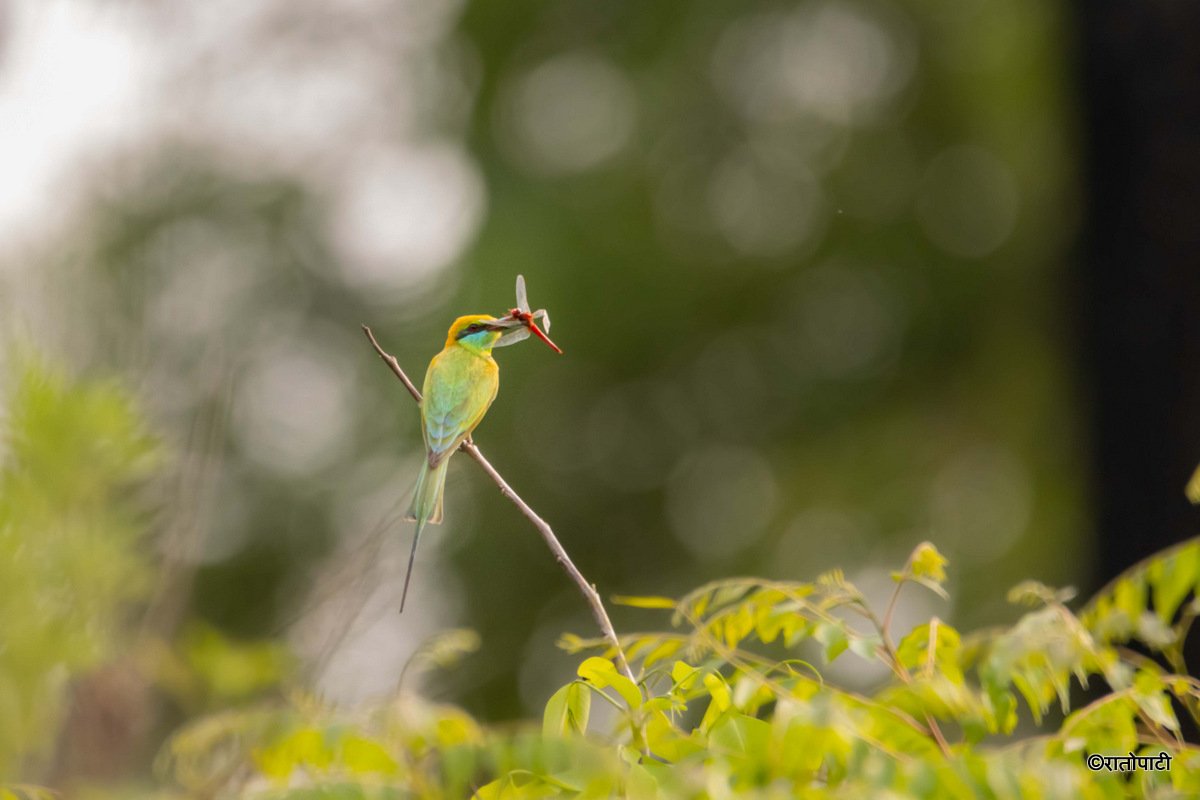
Thus, the urban bird diversity found within the city holds the potential to make Hetauda an excellent destination for birdwatching, wildlife photography, and nature tourism. It can be further promoted effectively through proper conservation, management of green areas, and public awareness enhancement.
Ultimately, Hetauda is not just a center for urban development—it is also a rich, dynamic, and living world of birds, which it is time to recognize, protect, and introduce to the world.
This specific news has been automatically translated by AI. As a result, there may be some inaccuracies or language errors.