Task Force Consults Experts on Constitutional Amendment


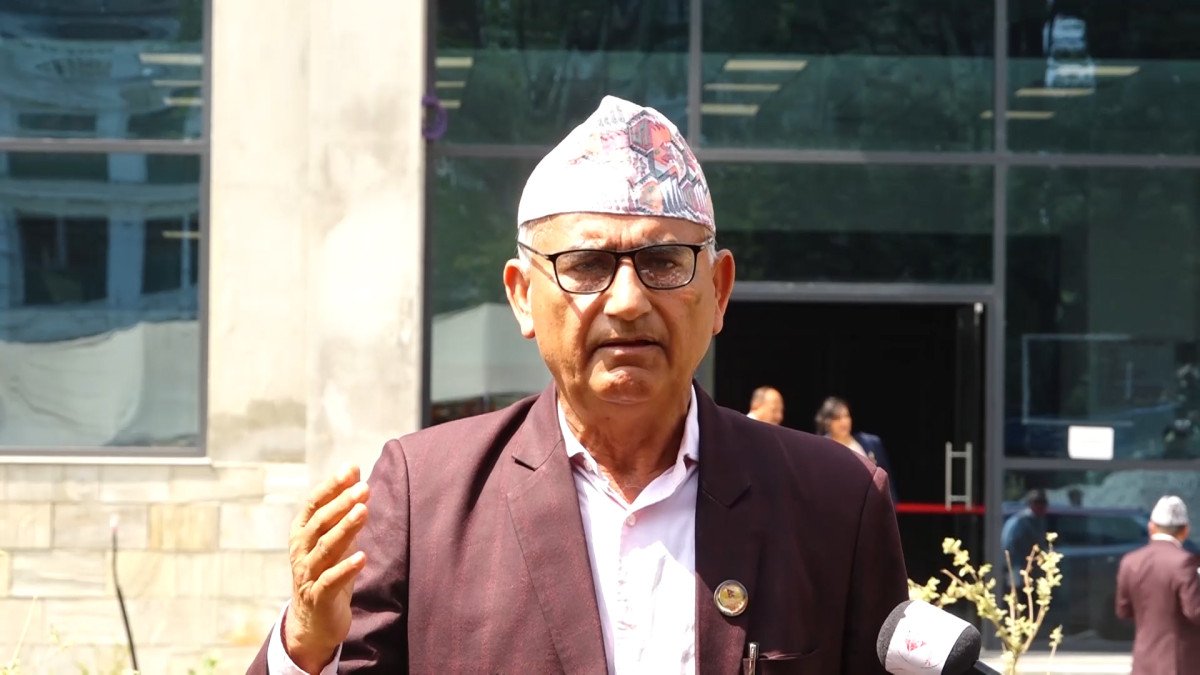
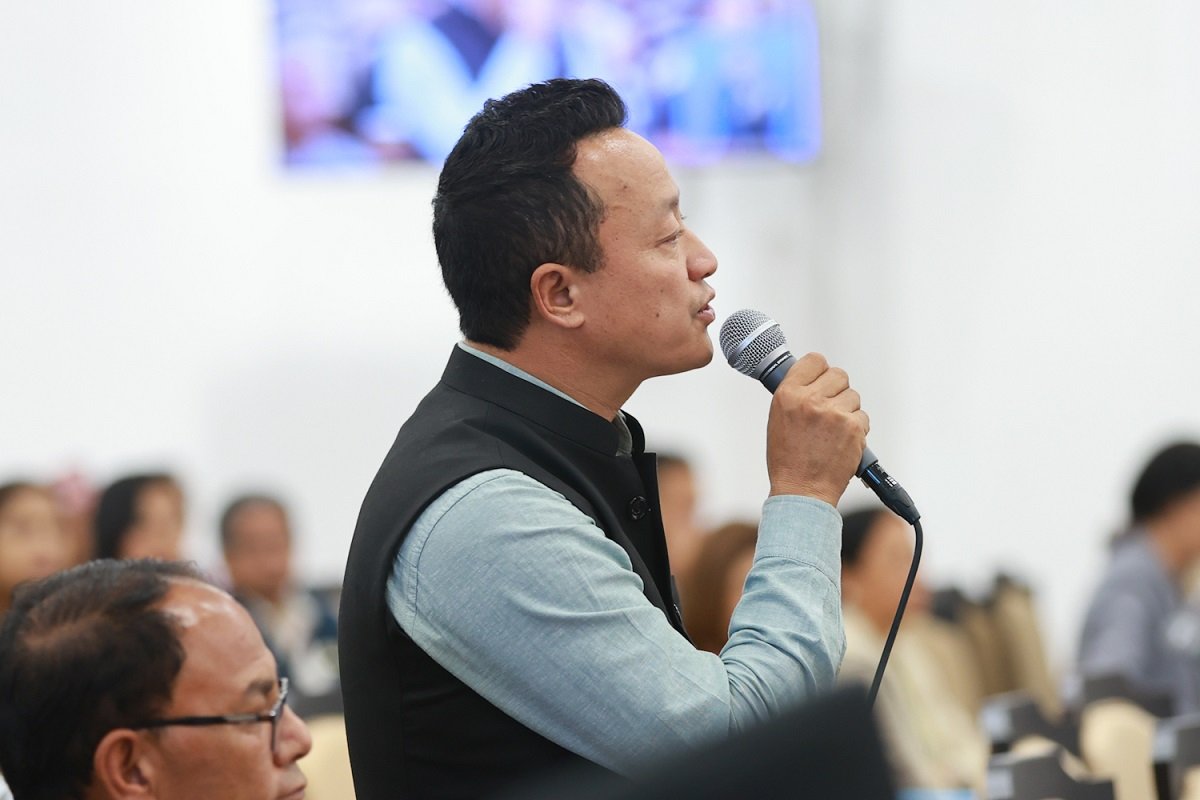
Kathmandu. The task force formed to prepare a discussion paper for constitutional amendment today held discussions with former heads of constitutional bodies, former chief secretaries, foreign affairs experts, and former administrators.
In the consultation held at the Prime Minister's Office and Council of Ministers for about three hours, in-depth discussions were held on issues including the form of governance, federal structure, electoral system, and constitutional bodies.
The task force, formed under the convenership of Prime Minister's Political Advisor Asim Shah, clarified that the constitutional amendment would be advanced through national consensus. Convenor Shah mentioned that constitutional amendment is both a public expectation and a current necessity, and it will be advanced cautiously as a sensitive issue with long-term impact.
Experts participating in the discussion gave various suggestions for improvement in the form of governance, electoral system, federalism, rights of provincial and local levels, independent judiciary, and the structure of constitutional bodies.
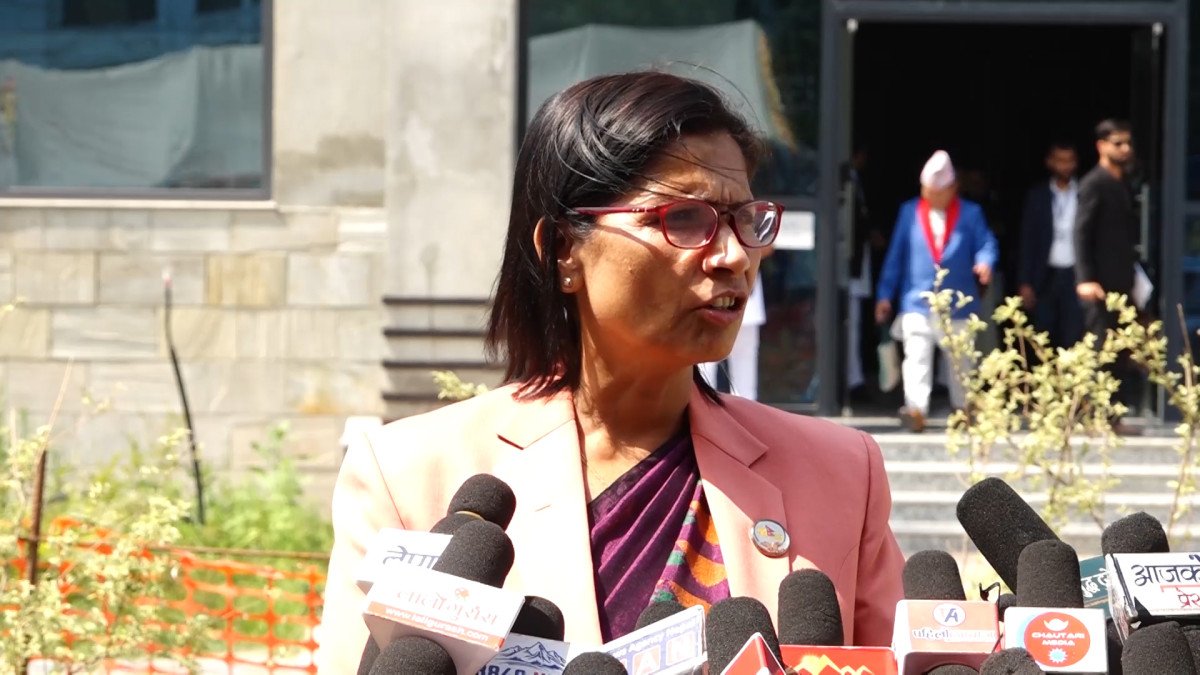
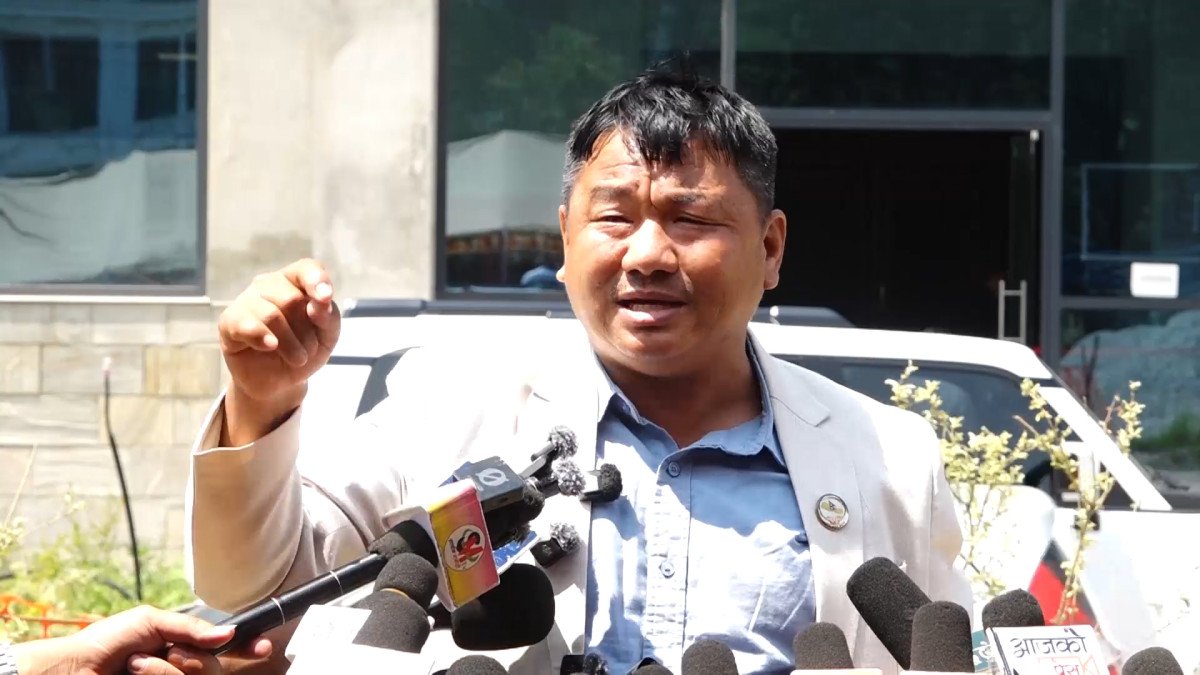
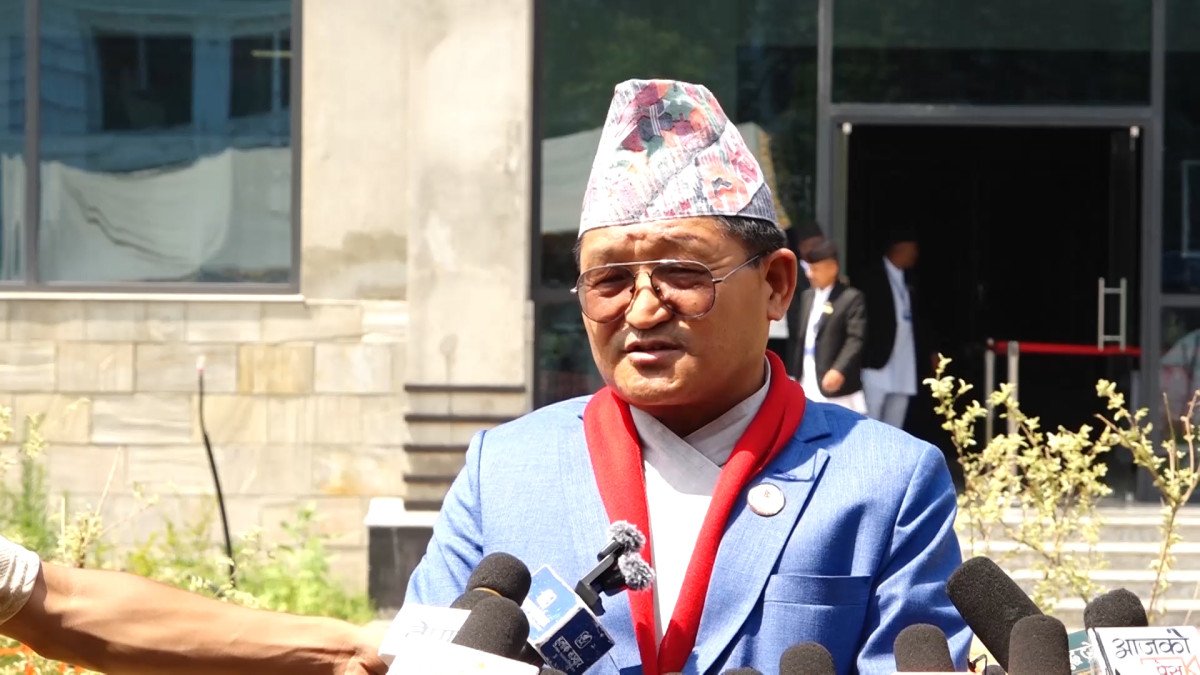
Former administrators and experts including Bimal Koirala, Umesh Mainali, Tankamani Sharma Dangal, Madhuraman Acharya, Man Bahadur BK, Yamkumari Khatiwada, Bhanu Acharya, Somlal Subedi, Jayaraj Acharya, Krishnahari Baskota, Ganesh Joshi presented their views and suggestions.
Former Chief Secretary Bimal Koirala presented suggestions that a proportional representation should be made mandatory along with the direct electoral system, the number of members of the National Assembly should be reduced, and the Vice-President should be made the Chairperson of the National Assembly. He emphasized clarifying the conflicting rights between the federal, provincial, and local levels and making the local levels more empowered.
Another former civil servant, Umesh Mainali, expressed the view that the ambition of parliamentarians to become ministers affects policy-making, and parliamentarians should be limited to law-making, and a directly elected executive head should be arranged. He stated that the participation of the Chief Justice in the Constitutional Council is not appropriate.
Expert Jayaraj Acharya praised the government's preparation to reduce the number of ministries and thanked the government through the same meeting for the step of abolishing student unions and organizations. He mentioned that the initiative to reduce the number of ministries is positive and suggested that the government should be cautious about geopolitical issues.
Most experts emphasized reviewing the structure of the Constitutional Council, reducing the number of constitutional bodies and making them fully autonomous, reducing the number of ministries, and arranging for experts to be made ministers. There was also a common understanding on empowering local levels for effective implementation of federalism, focusing parliamentarians on law-making, limiting the number of ministries in provinces, and determining inclusive seats to ensure representation.
Foreign affairs experts and participants suggested being cautious about geopolitical balance, building an environment of trust with neighboring countries, and reviewing treaties and agreements. Furthermore, emphasis was also placed on empowering local levels for the effective implementation of federalism, standardizing the tax system, and ensuring representation for women and marginalized communities.
The task force stated that it would include the suggestions received in the discussion paper and proceed with further consultations in the coming days.
This specific news has been automatically translated by AI. As a result, there may be some inaccuracies or language errors.