Nepal-India Border Dispute Over Lipulekh Re-emerges


Kathmandu. The border dispute between Nepal-India has surfaced once again.
Disputes have repeatedly arisen between Nepal-India over areas like Lipulekh, Kalapani, and Limpiyadhura. However, a permanent solution has not yet been found. In the past, when India made any decision regarding Lipulekh, Nepal would only issue a press note or send a diplomatic note to quell the dispute, with no further action or concrete achievements towards a solution.
This time too, the same happened. After India and China signed an agreement to use the Lipulekh route for the Kailash Mansarovar Yatra, the Ministry of Foreign Affairs has issued a press note expressing objection.
There have been repeated agreements between India and China regarding Lipulekh. However, every time an agreement is made, Nepal protests in the same manner, and a solution remains elusive.
Border expert Buddhinaraayan Shrestha says, 'The border dispute will not be resolved by issuing statements anymore; a solution must be found quickly through high-level talks, otherwise, it could escalate into an unmanageable crisis someday.'
The border dispute between the two countries is not recent; India and China have been repeatedly signing agreements concerning Nepal's territory for the past 72-73 years. Shrestha states that Nepal only began protesting much later.
'Now we need to move towards a solution. India has proposed finding a solution through talks. Despite repeated suggestions, why are talks not happening?' Shrestha adds, 'Is Nepal not showing interest, or is India not interested? Nepal must now set aside all other work and focus on resolving this.' Shrestha considers this a trilateral dispute. He argues that the dispute will not be resolved until Nepal can establish a trilateral point. 'We must go to a place where all three countries meet and work towards resolving the dispute.'
Shrestha claims that both India and China are trying to use Lipulekh for various purposes, and it is natural for Nepal to be concerned. However, he notes that the concern has not translated into concrete action.
- No Discussion Between Nepal-India
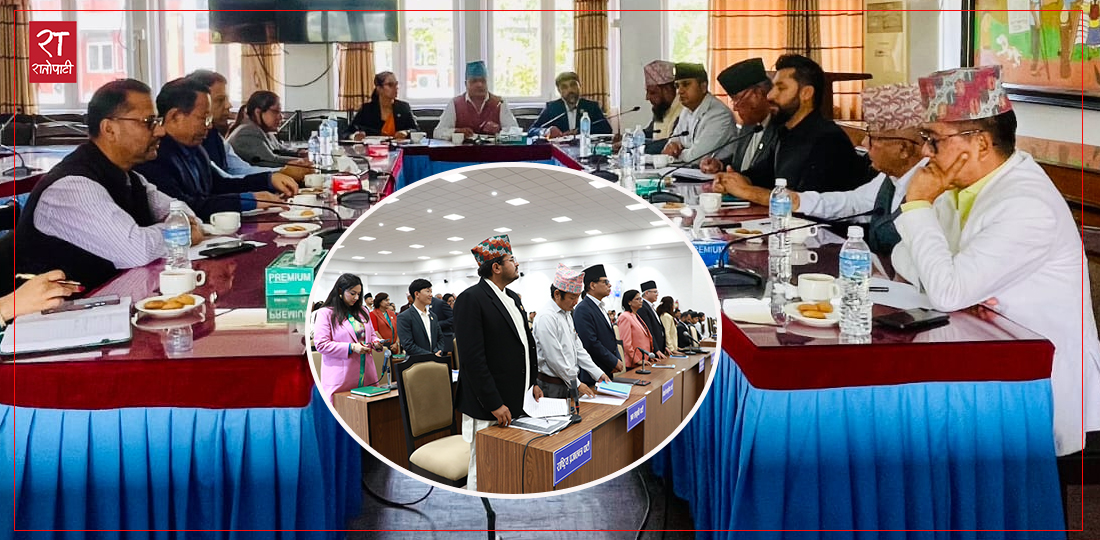
Nepal and India have formed various committees and commissions to resolve the border dispute over Lipulekh, Kalapani, and Limpiyadhura, but these have remained confined to their formation. A former secretary at the Ministry of Foreign Affairs says that after their formation, an introductory meeting was held once, but no such meeting has taken place since.
'Although meetings were called, sometimes Nepal postponed them due to lack of preparation, and sometimes India did,' said the former secretary. 'This is why the dispute has dragged on for so long.'
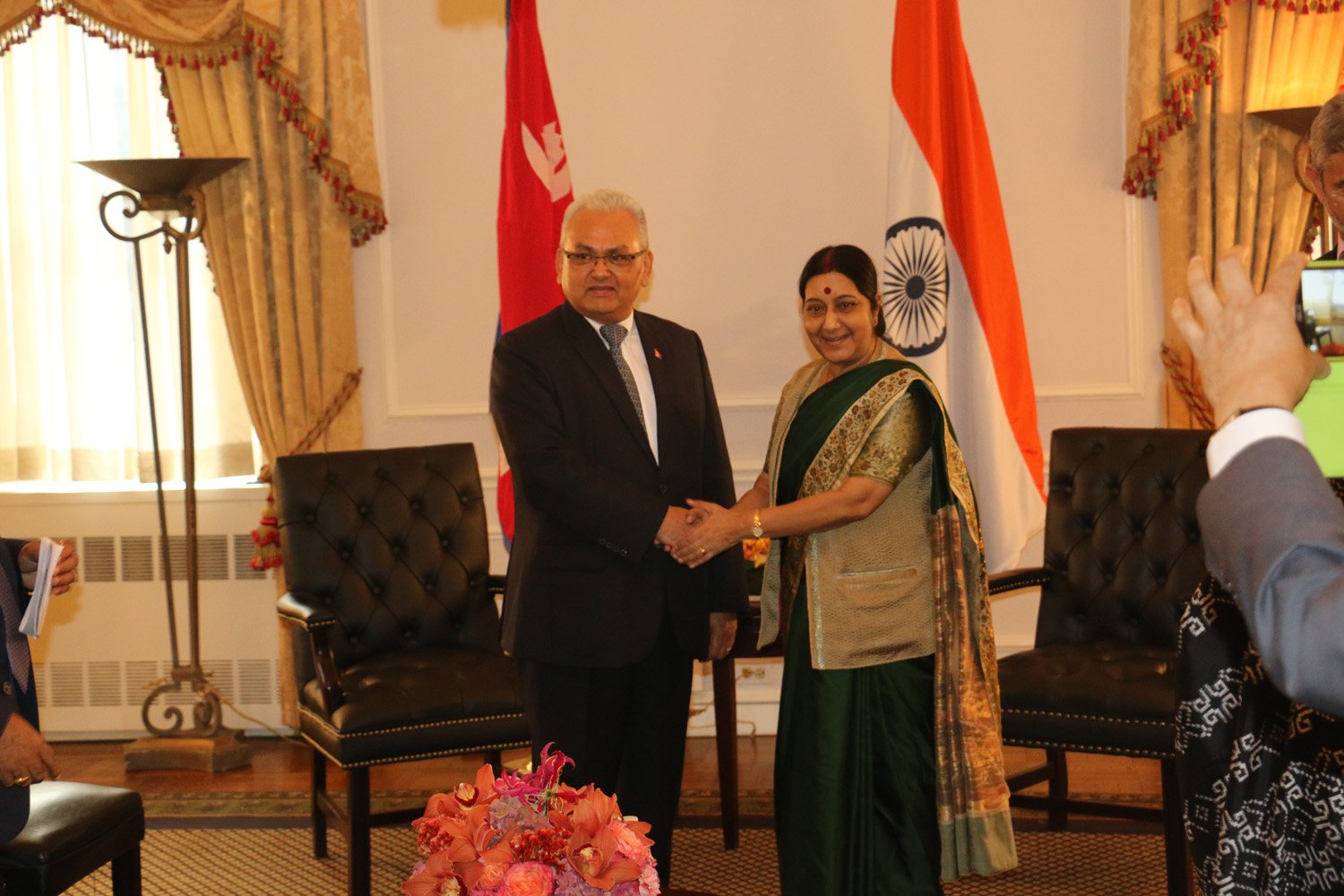
At various times, when agreements were made between India and China concerning Nepal's territory, protests have occurred in Nepal. In 2014, during Indian Prime Minister Narendra Modi's visit to Nepal, an agreement was reached to resolve the border issues between the two countries. At that time, the joint commission, comprising then-Foreign Minister Mahendra Bahadur Pandey and his Indian counterpart Sushma Swaraj, assigned the task of technical work related to the border dispute to a border working group. Although the working group held several meetings, discussions on Kalapani, Lipulekh, and Limpiyadhura never took place, according to another official from the Ministry of Foreign Affairs.
Even now, meetings of the working groups formed between the two countries regarding the Nepal-India border issue are held frequently, but the issue of Lipulekh is never discussed, the official states.
Last August, India and China signed an agreement to trade via the Lipulekh border. Nepal objected to this. Following that objection, India responded by calling Nepal's statement irrelevant. And currently, India considers the diplomatic note issued by the Ministry of Foreign Affairs in the same way.
- Old Dispute
Various documents show that written agreements between China and India regarding Lipulekh have existed since 1954 (2011-12 BS). India also claims that trade has been occurring through Lipulekh between India and China since 1954.
However, Nepal only began protesting against it from 1999, as confirmed by various documents. In 1999, when then-Indian Foreign Minister Jaswant Singh visited China, an agreement was made to make Lipulekh a common trade route for both countries, which Nepal protested.
Following the protests, then-Chinese Ambassador to Nepal, Zheng Suyong, clarified at a press conference that Lipulekh was not mentioned anywhere in the border trade agreement concluded between India and China. However, China has appeared silent on the issue of Lipulekh in recent times. China has been evading the issue of Lipulekh by pointing to India, says a former ambassador. According to him, the problem could be resolved if China wished, but it has not shown interest.
In 2005, an agreement was also reached between China and India. In the agreement titled 'Modalities for the Implementation of Confidence Building Measures in the Military Field Along the Line of Actual Control in the India-China Border Areas,' both sides agreed to expand the mechanism of border meeting points by including Lipulekh/Changla Bhanjyang in the middle sector and Kibithu-Dhamai in the eastern sector, after which there were protests in Nepal.
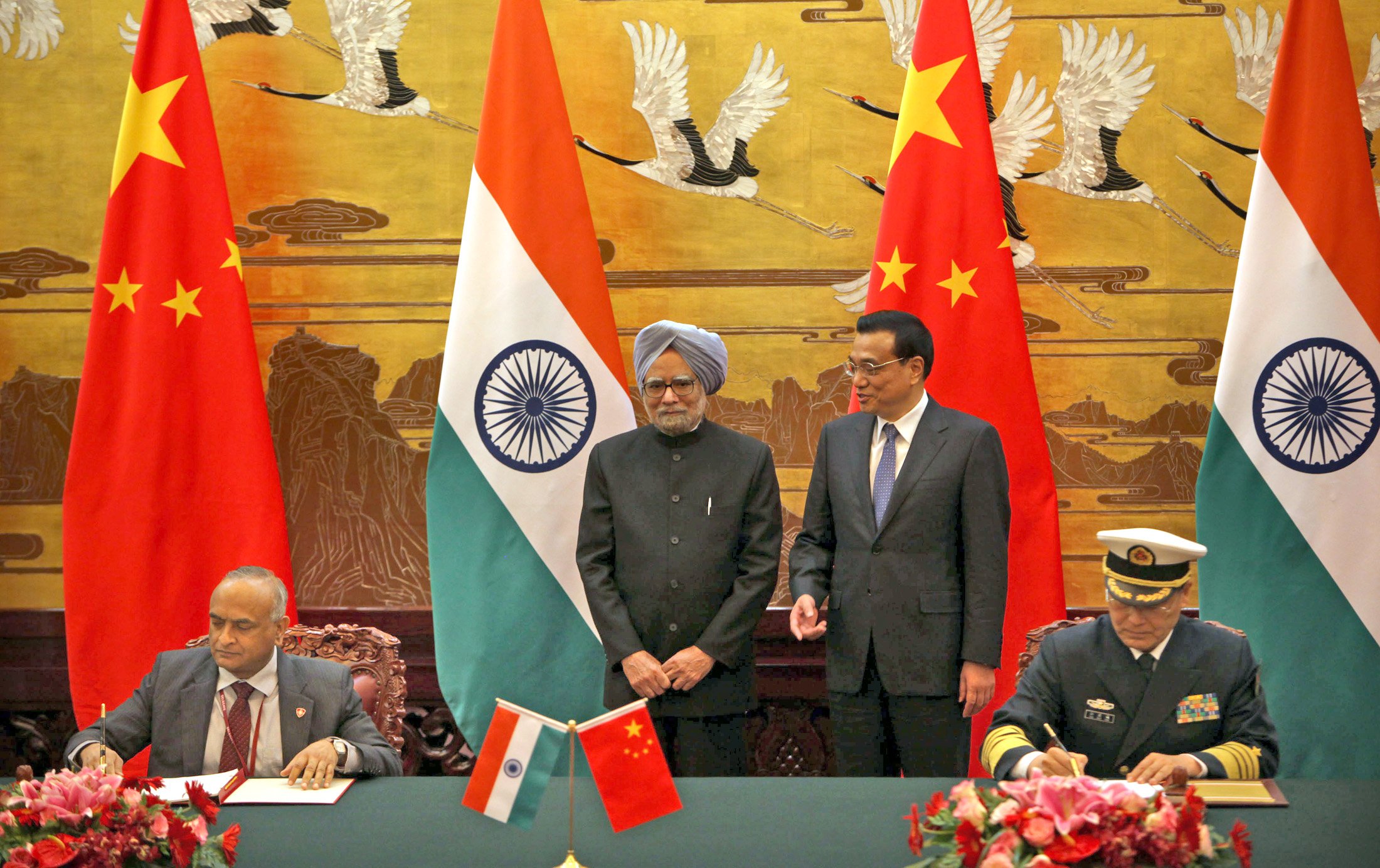
At that time, the Ministry of Foreign Affairs had sent diplomatic notes to both China and India. An official from the Ministry of Foreign Affairs says, 'At that time, China, through its embassy in Nepal, responded that the agreement between India and China had no connection with Kalapani, but India did not respond.'
Subsequently, in 2014, during Chinese President Xi Jinping's visit to India, an agreement was made with India to open a new route for Indian pilgrims traveling to Kailash Mansarovar. Then-Indian Foreign Minister Sushma Swaraj and Chinese Foreign Minister Wang Yi signed it. However, no reaction from Nepal regarding this has been found in the documents.
Later, when Indian Prime Minister Modi visited China in 2015, an agreement was made between the two countries regarding Lipulekh, which led to widespread protests in Nepal. Then-Prime Minister Sushil Koirala sent diplomatic notes to both India and China, but while China responded, India did not. There was significant protest in Nepal regarding that agreement, and due to that dispute, Koirala canceled his visit to India.
- India's Issued Map
Instead of responding, India included Lipulekh, Kalapani, and Limpiyadhura in its map. It also inaugurated a road in that area. However, Nepal protested against it.
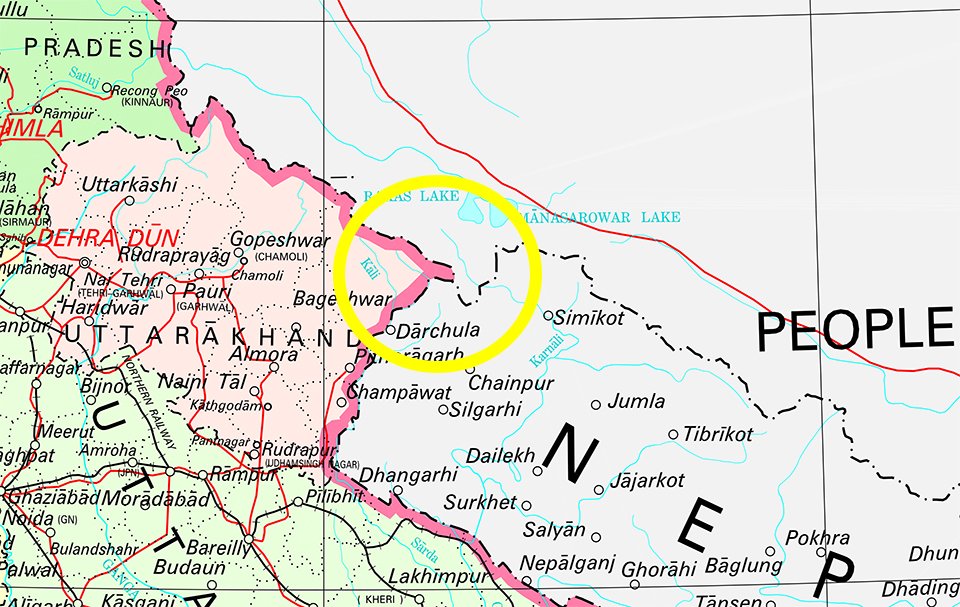
Then-Prime Minister KP Sharma Oli also unveiled a new map of Nepal, including Lipulekh, Kalapani, and Limpiyadhura, and got it passed by parliament, even amending the constitution. His move further intensified the dispute between the two countries.
At that time, India stated, 'If there is a border problem between Nepal and India, it can be resolved through talks and discussions.'
Meanwhile, Oli visited India, but the border dispute was not even raised during that visit. A situation was created as if 'nothing has happened' between Nepal-India regarding Lipulekh, Kalapani, and Limpiyadhura.
- India's Another Move
While the map dispute was ongoing, in December 2024, India's National Security Advisor Ajit Doval visited China, and the two countries (China-India) agreed to resume the Kailash Mansarovar Yatra via the Lipulekh route. Nepal did not react to this. It was a 'silent' situation; at that time, Prime Minister Pushpa Kamal Dahal 'Prachanda' was in power.
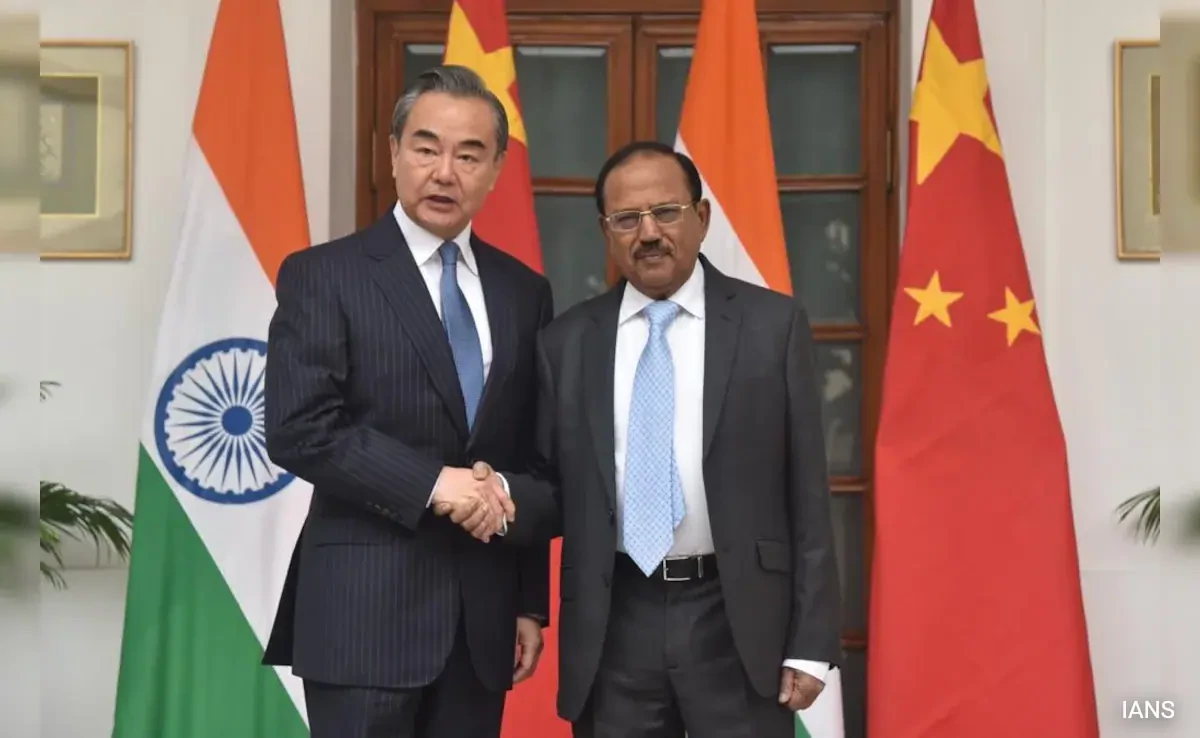
On August 18, 2025, during Chinese Foreign Minister Wang Yi's visit to India, a 12-point agreement was signed, which included starting border trade via Lipulekh. There was a protest in Nepal regarding that agreement. The Ministry of Foreign Affairs clarified on August 4th that Limpiyadhura, Lipulekh, and Kalapani east of the Mahakali River are integral parts of Nepal according to the official map included in Nepal's constitution.
Since the area is Nepali territory, the Ministry of Foreign Affairs had urged the Indian government not to undertake any activities such as road construction, expansion, or border trade there. On the same day, the Indian Ministry of External Affairs responded to Nepal's request by stating that such trade has been operating since 1954 and argued that Nepal's claim was not based on historical facts and evidence.
Currently, after the agreement between India and China regarding the Mansarovar Yatra, Nepal has objected to it, and Nepal has once again reacted as before.
This specific news has been automatically translated by AI. As a result, there may be some inaccuracies or language errors.