Morang Faces Complex Landless and Unorganized Settlement Issues Amidst Eviction Pressures


Biratnagar. The problem of landless and unorganized settlers in Morang is complex. On one hand, thousands of citizens in the district are waiting for land ownership certificates, while on the other hand, the federal government, administration, and the Nepali Army are continuously pressuring local levels to remove those who have encroached on public land and forest areas.
According to the National Land Commission, the situation of landless and unorganized settlers in Morang is abnormal. As correspondence to clear settlements from higher authorities has become a daily occurrence, local representatives are displeased with the federal government. They have even started discussions about whether to collectively resign rather than evict the people.
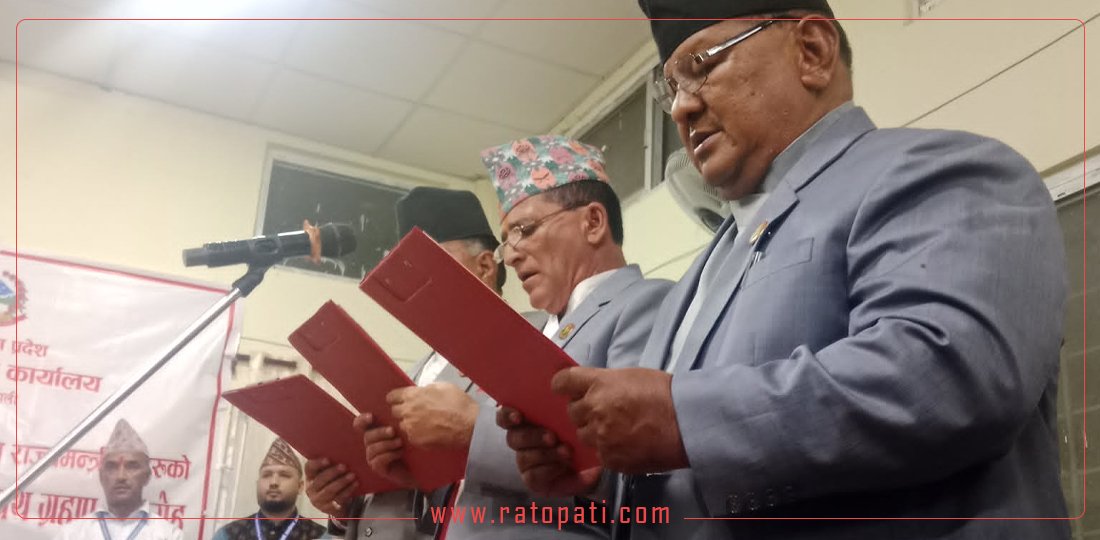
Following continuous letters from the Ministry of Home Affairs, District Administration Office Morang, and the Shiv Dal Battalion of the Nepali Army to clear public and forest land, Kanepokhari Rural Municipality Chairperson Rajmati Ingnam said, 'How can we evict people with bulldozers from the land where they have lived for generations? We will rather resign.'
She stated that the landless people are very frightened due to the letters from above. 'People have been living here since our fathers and grandfathers' time, and now it's our grandchildren's generation; we cannot demolish houses and evict them now,' she said.
_7Sl88b3jcW.jpg)
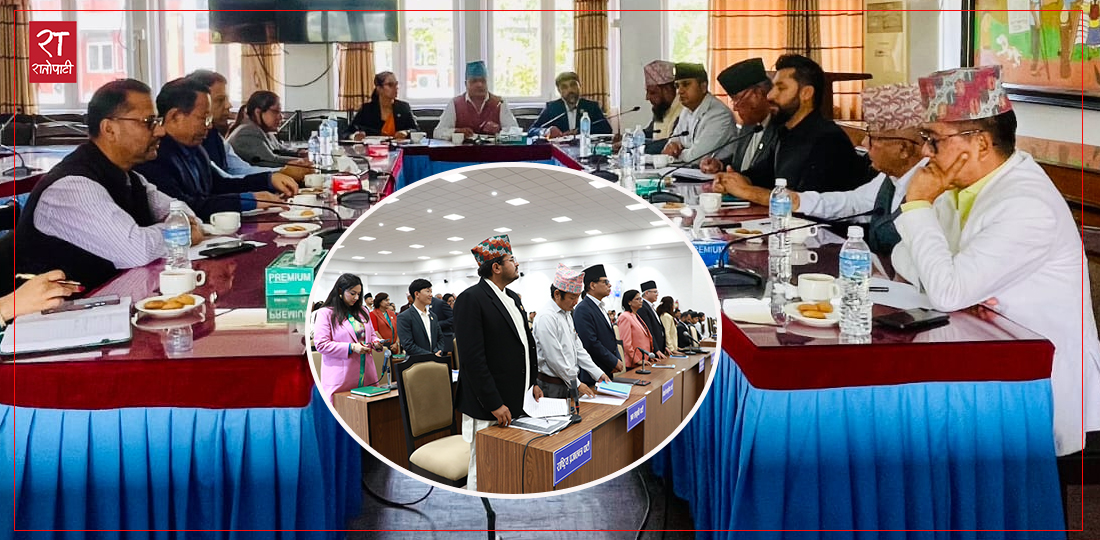
She mentioned that similar pressure is being received in other municipalities in the district, and serious discussions are ongoing among the representatives. 'In the meeting of representatives held in Rangeli, the issue of resigning if there is too much pressure, but not evicting the landless, was raised,' she said. 'Having been elected by the people, we cannot go against the people and operate bulldozers.'
According to the details, Kanepokhari alone has approximately 6,597 households of unorganized settlers. Ingnam stated that if they are removed, more than half of the villages in Wards No. 4, 5, and 6 of the rural municipality will become empty. However, she said that new structures encroaching on schools, rivers, or temples can be removed.
Biratnagar Metropolitan City Deputy Mayor Shila Nirala Karki also emphasized that coordination is underway with the District Administration Office and that the management of those affected must be done before evicting anyone. 'We will coordinate and cooperate with the District Administration Office. The metropolis has no intention of making anyone homeless and pushing them onto the streets. Whatever work is done will be done only through proper procedures and in an organized manner. Therefore, I urge the local residents not to panic immediately,' she said.
According to Navin Paudel, Chairman of the National Land Commission Morang, previous committees collected applications but did not enter and verify them into the computer system. 'We cannot grant permission for land measurement until the applications submitted by the public are entered into the computer and verified by the local level,' Paudel said. 'Before we came, this work was very slow.'
He claimed that after their arrival, the work of verification and record-keeping was expedited by urging the municipalities. 'Currently, data entry work is nearing completion, especially in municipalities along the East-West Highway,' he said.
_TFcmT6XkXJ.jpg)
- A problem unresolved for 40 years
The Land Problem Resolution Commission started placing points for land measurement in Kanepokhari in 2081 BS. However, not only this commission formed by the government to solve land problems, but also dozens of previous ones were seen conducting measurements by locals. Many teams visited Kanepokhari, Pathari Sanischare, and similar areas in the name of land measurement. Landless or unorganized settlers were made to fill out dozens of forms. It has been generations since such work was done repeatedly. Locals say, 'The work of such commissions formed by the government, which has been going on for 40 years, has been limited to land measurement. Land ownership certificates have not reached the hands of the landless.'
Those who have been living in hope of land ownership certificates for years are now terrified of bulldozer atrocities. 'When I was born, there was a forest in front of my house. When I became aware, the bushes were cleared in 2035 BS. The shooting incident from that time is still discussed from time to time. After the shooting incident, ex-servicemen came and settled there. Then those who received land in exchange and landless people were added. The ex-servicemen themselves cleared the bushes in that area. Later, landless people were also added. This problem has existed since then,' said Ward Chairman Mohan Adhikari of Kanepokhari-7.
Ambika Aryal, a local leader from Kanepokhari-6 Pingdanda, also has land listed under unorganized settlers. Her family has lived in that area for decades, but there is still no sign of receiving ownership certificates. 'It seems there is a tendency not to give ownership certificates if the land recipient is from another party. I don't think they can give land ownership certificates even now,' he said.
_d4p5XYikn0.jpg)
In 2032 BS, a High-Level Forest Strengthening Commission was formed. At that time, land was promised in the Bairban, Keroun, Pathari, Sanischare, and Urlabari areas as land in exchange. Measurement was also done. Landless people had cleared bushes and settled on the land east of the Jamire stream in Kanepokhari-6. That commission was dissolved. Then, land in Koshi Tappu Wildlife Reserve was offered in exchange, and mapping was done in the current Kanepokhari-6 in 2040-41 BS, but the Sunsari court ruled that land could not be given in forest areas, so the mapping work was canceled.
In Morang, a commission led by Lalbabu Pandit conducted a survey in the former Bairban around 2052 BS. 'At that time, the survey was completed in three months with one surveyor. Rs 1,500 per Bigha was also collected. It is not known if that money was deposited in the state treasury. Fake ownership certificates were distributed at that time. There was a campaign of 'one certificate, five votes.' Fake work was done overnight at that time,' Aryal recounted the experience from that time.
After that, another commission was formed in Morang under the leadership of Shailaja Acharya, but ownership certificates were not distributed. UML supporters sought votes by saying that Shailaja Acharya had drowned the previous file in water and could not validate fake ownership certificates. A commission led by Basanta Bhattarai did some work. Later, a commission led by Congress's Dilip Gachchhadar collected forms from landless areas, but ownership certificates were not distributed. Then Khem Pradhan became the district president. He again collected forms saying he would distribute landless identification cards, but the landless people did not trust him, and many forms were not filled.
After that, Manbahadur Limbu became the Morang district president of the commission. 'At that time too, UML supporters collected money from unorganized settlers saying they would distribute land, but ownership certificates were not distributed,' Aryal said. After that, DP Rai became the commission chairman of Morang. No work was done at that time either. Then, a commission led by Sushila Ghimire, who was appointed from the Maoist quota, classified 10 types of landless people in Kanepokhari. However, only about 500 ownership certificates were distributed across Morang, where 100,000 were supposed to be distributed.
_wznnbnETuC.jpg)
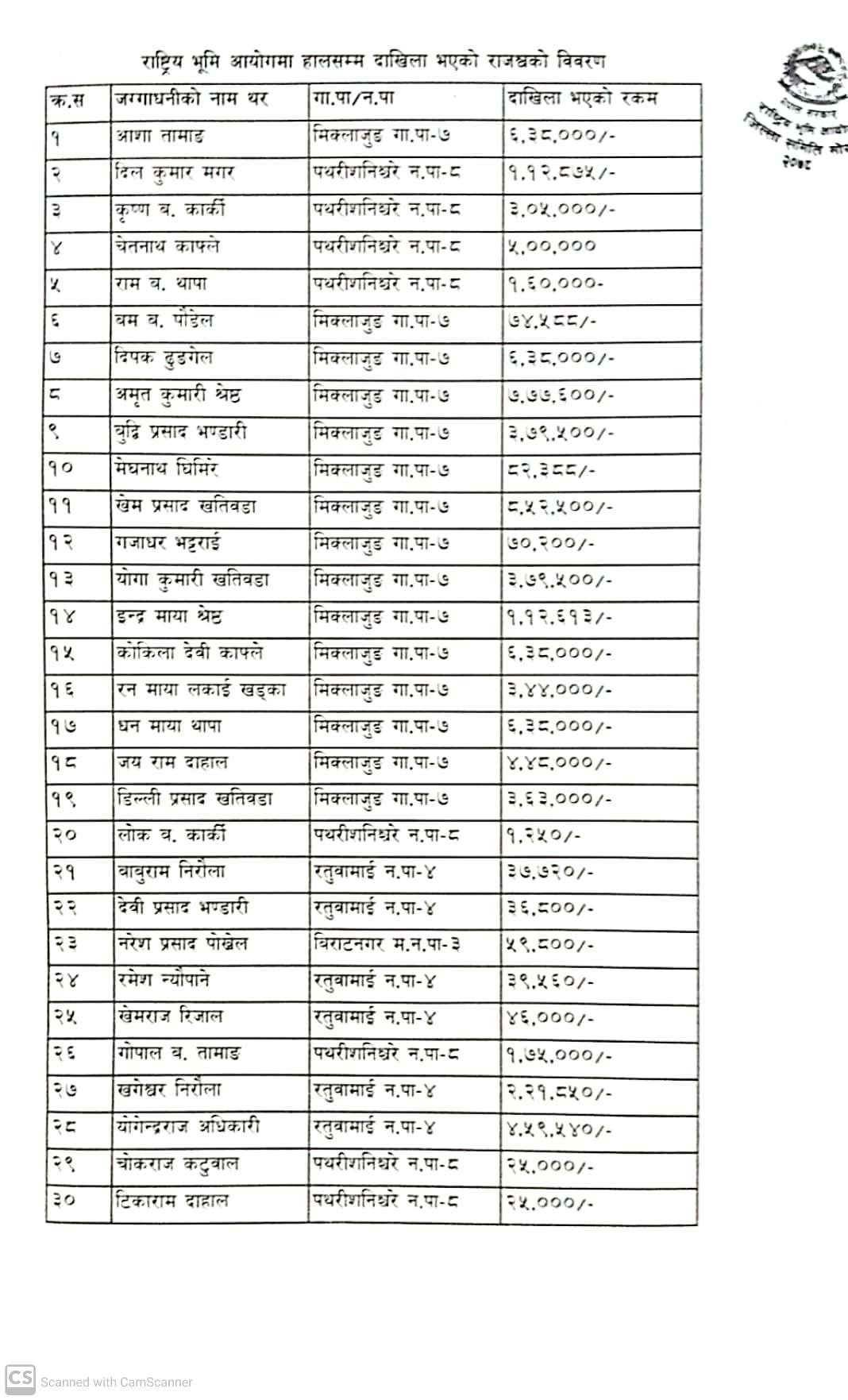
Although some were distributed in Kanepokhari, the ownership certificates received by landless people who paid revenue at that time have not yet been implemented. 'During our tenure, we succeeded in collecting more than 4 crore 93 lakh rupees in revenue and distributed ownership certificates accordingly. We had also advanced many processes of work,' said former chairperson Ghimire.
After that, the commission in the district has been working under the chairmanship of Navin Paudel. The commission under Paudel's chairmanship started placing points for land measurement from the end of Chaitra 2081 BS, but after the Janji movement on Bhadra 23 and 24, 2082 BS, the government led by Sushila Karki decided to dissolve that commission. The Supreme Court has revived the commission, but the commission has not been able to work.
The government led by Balen Shah, formed after the elections on Falgun 21, has promised to form a new commission and start work within 100 days. Currently, the existing commission cannot work, and a new commission has not been formed either.

- The situation is dire in Biratnagar itself
Uncontrolled exploitation of public land has been found in Biratnagar, the capital and industrial city of Koshi Province. This was also mentioned in the 'White Paper-2079' issued by Nagesh Koirala after being elected as the mayor of the metropolitan city.
-r_1_X280PUVrYr.jpg)
Currently, there is no exact data on how much public, unregistered, and unused land Biratnagar Metropolitan City has. Furthermore, the extent of encroachment on existing public land is also unclear. However, various survey reports indicate that there was a significant amount of public land in Biratnagar in the past.
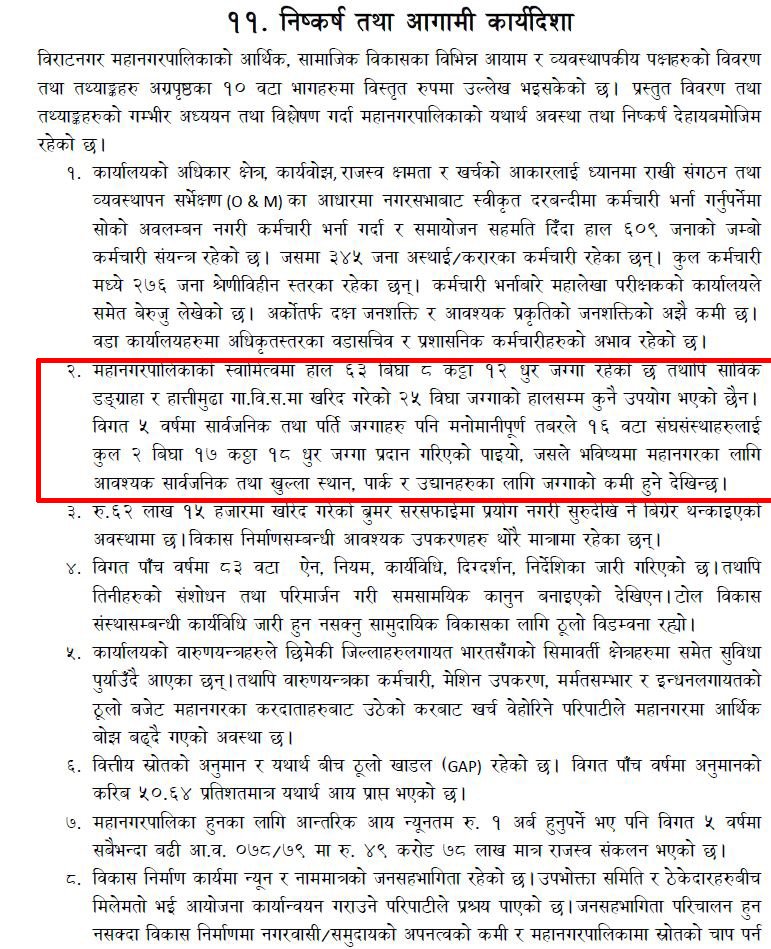
The metropolis's white paper admitted to extreme negligence in the distribution of public land. The white paper stated in point no. 2, 'The metropolis currently owns 63 Bigha, 8 Kattha, and 12 Dhur of land.'
The metropolis itself is not serious about the protection and use of this land. The white paper further states, 'In the last 5 years, it has been found that land measuring a total of 2 Bigha, 17 Kattha, and 18 Dhur has been provided to 16 organizations in an arbitrary manner, which indicates a shortage of land for public and open spaces, parks, and gardens for the metropolis in the future.'
Not only this, but land purchased by the metropolis with millions of rupees is also unused. The report states, 'The 25 Bigha of land purchased in the former Dangraha and Hattimudha VDCs has not been utilized to date.'
-r_tE09Yiv5jD.jpg)
On one hand, public lands within the city are being distributed based on access, while on the other hand, large tracts of purchased land are left abandoned.
The government, public, and community land record details published by Biratnagar Metropolitan City in 2079 BS contain detailed information (sheet no., plot no., area) of thousands of land plots within the metropolis, but the document does not include an official summary of the total number of plots or total Bigha for all wards combined.
The tables in the book show that thousands of Bigha of land are registered or occupied in the name of various bodies. Dozens of government offices such as Biratnagar Metropolitan City, Department of Roads (Roads and Malaya Road), Water Supply Corporation, Post Office, Survey Department, Land Revenue Office, Court, Prison Branch, as well as Purwanchal University, Mahendra Morang Campus, Adarsha Secondary School, Janata Secondary School, Satyanarayan Secondary School, etc.
Similarly, Koshi Zonal Hospital, various sub-health posts and veterinary clinics, Radhakrishna Temple, Ramjanki Temple, Vankhandi Mahadev, Kabir Sthan, Madrasa (Islamia), Buddhist Gumba, etc., National Trading Limited, Nepal Electricity Authority, Biratnagar Jute Mill Limited, Agricultural Development Directorate, etc., also hold significant land. According to the information officer of the metropolis, based on the details in all the tables, there are an estimated 5,000 land plots.
- Land was distributed indiscriminately during the tenure of Mayor Bhim Parajuli
According to statistics, the largest amount of land was distributed to organizations during the tenure of former Mayor Bhim Parajuli. Stakeholders themselves say that valuable public and government lands within Biratnagar Metropolitan City were arbitrarily distributed to various organizations and groups instead of being protected as a land bank.
Specifically, the documents show that the largest amount of public land was distributed during the five-year tenure of former Mayor (Mahanagar Pramukh) Bhim Parajuli (from 2074 to 2079 BS). In this race to distribute land through rapid decisions of the Municipal Executive meeting, there is a severe lack of clear and transparent criteria.

While it is natural to allocate land for ward offices or essential government structures, the records show dozens of such plots that have been given to various clubs, committees, temples, and non-governmental organizations under the guise of 'occupancy rights'.
In this distribution of land, the intention to please politically connected individuals, vote banks, and favored persons seems to have been more prominent than necessity and justification. Stakeholders say that the biggest and most serious aspect of this indiscriminate land distribution by the former leadership is the lack of foresight. In the future, the metropolis or provincial/federal government itself may require hundreds of Bigha of land for the construction of large hospitals, waste processing plants, modern bus parks, disaster management centers, or other major strategic infrastructure. If land continues to be distributed in pieces to various organizations like this, it is certain that in the future, the government will have to acquire land by paying millions or development projects will be stalled due to lack of land.
Stakeholders say that it is not good to distribute valuable public land without considering the future generation and the potential needs of the state.
- Landless people shed tears saying they can be evicted
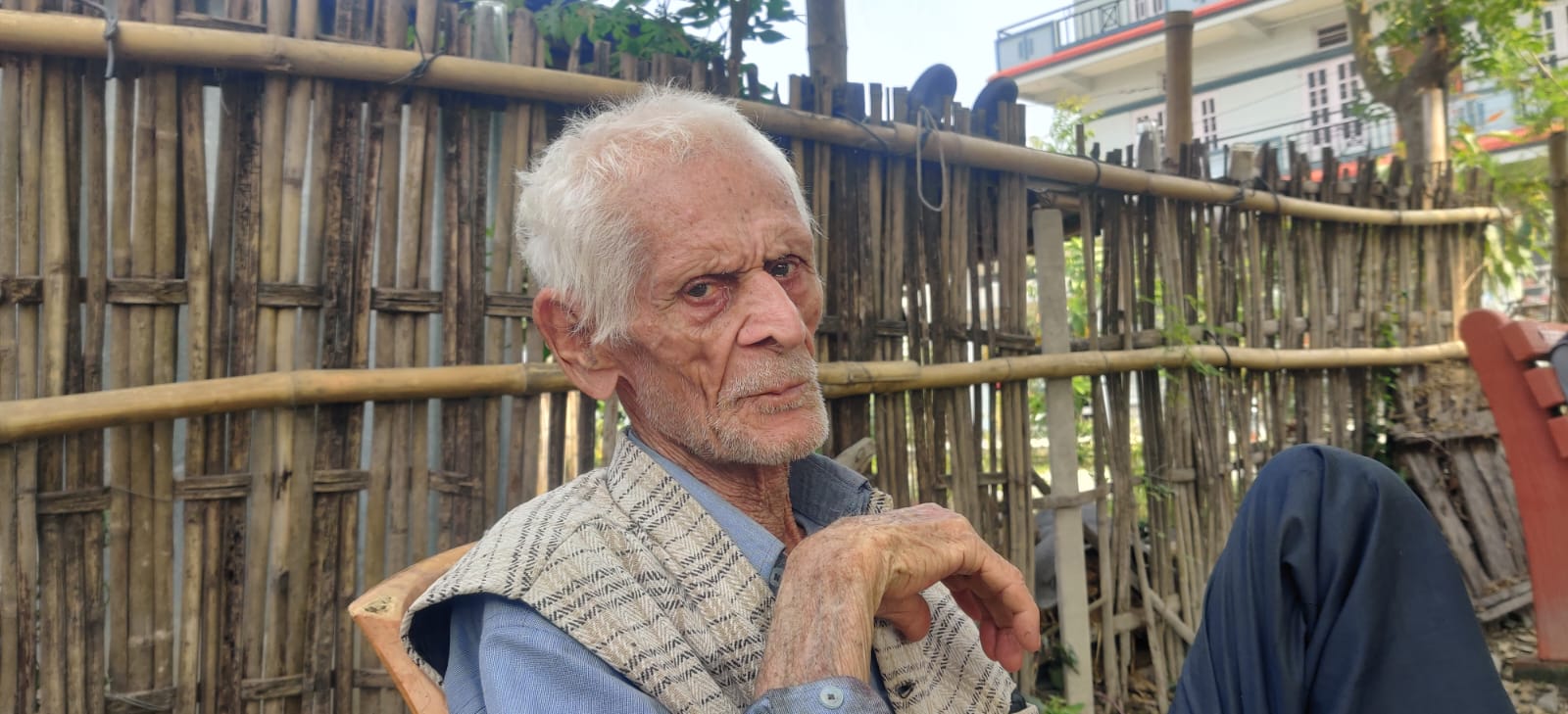
Prem Niroula, an 80-year-old man who has been living on unregistered land near Dhat Chhe in Biratnagar-3 for the past 48 years, sheds tears profusely as soon as the government talks about evicting settlements. The tears falling from his white beard, white hair, and wrinkled face show his immense love for the shelter he has been attached to for decades. 'I came and settled here in 2048 BS. Where will I go at this age? If I speak too much, tears come to my eyes,' he said.
He has a strong desire for this shelter to accompany him until the end of his life. He said, 'We hope not to be evicted when we are about to die. We are worried that the government might bring bulldozers and start demolishing houses.'
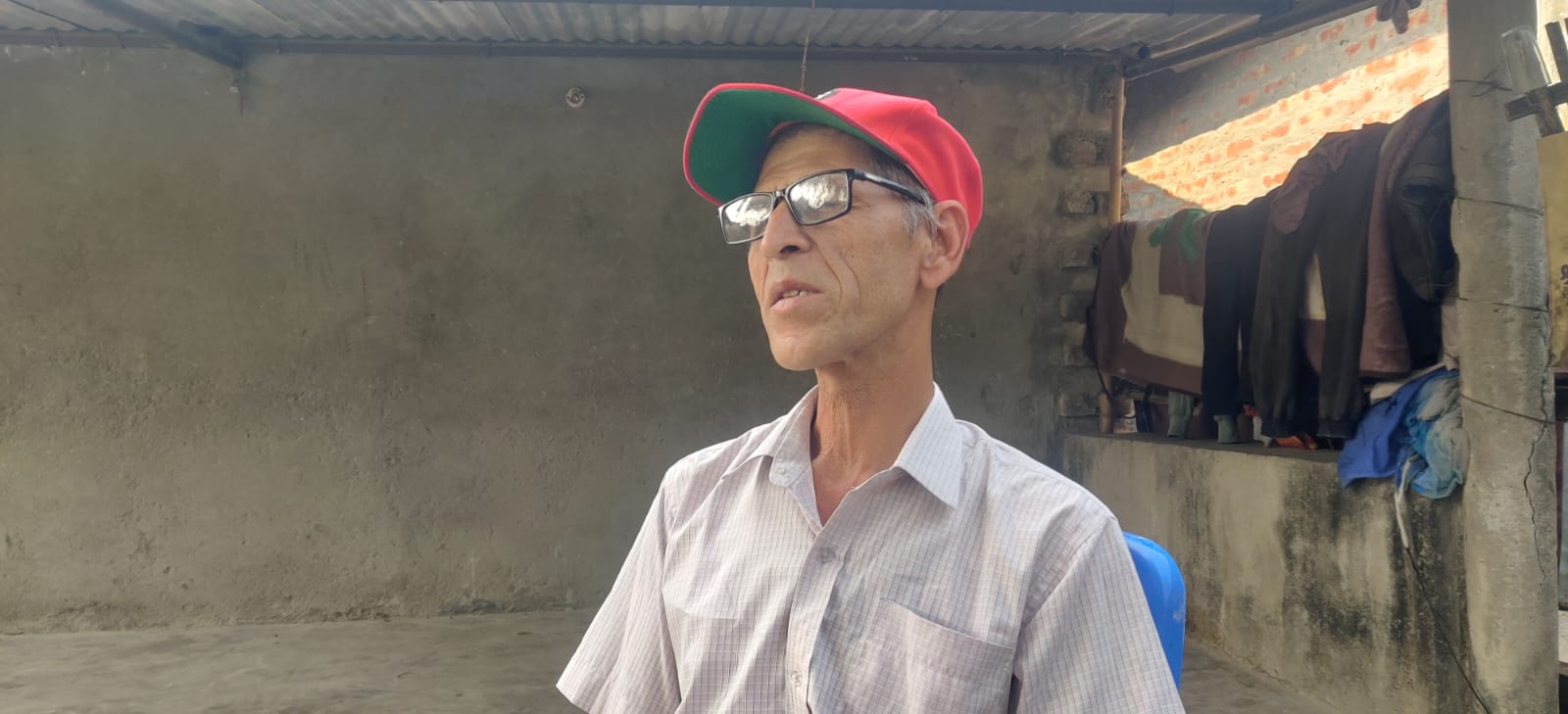
Niroula's son, Bimal Niroula, has now become a person who raises his voice for the rights of the landless. He receives calls day and night from landless people in various parts of Biratnagar asking about the future of their shelters. Bimal said, 'People are completely terrified now. They call even at 11 PM or 12 AM. Even small children in landless settlements are afraid to go to school, fearing when their houses will be demolished.'
Regarding the impact of the Kathmandu incident on Biratnagar, Bimal added, 'Even in a place like Kathmandu, they have demolished; what will happen here? We are poor and distressed; it would be good if they were managed first before eviction!'
The story of Chandrakala Ramtel, a 68-year-old single woman living on the banks of the Singhiya River in Biratnagar-2, is equally painful. She came to Biratnagar from Kaulle, Khotang, in 2031 BS and has been struggling on the banks of this river since 2040 BS.
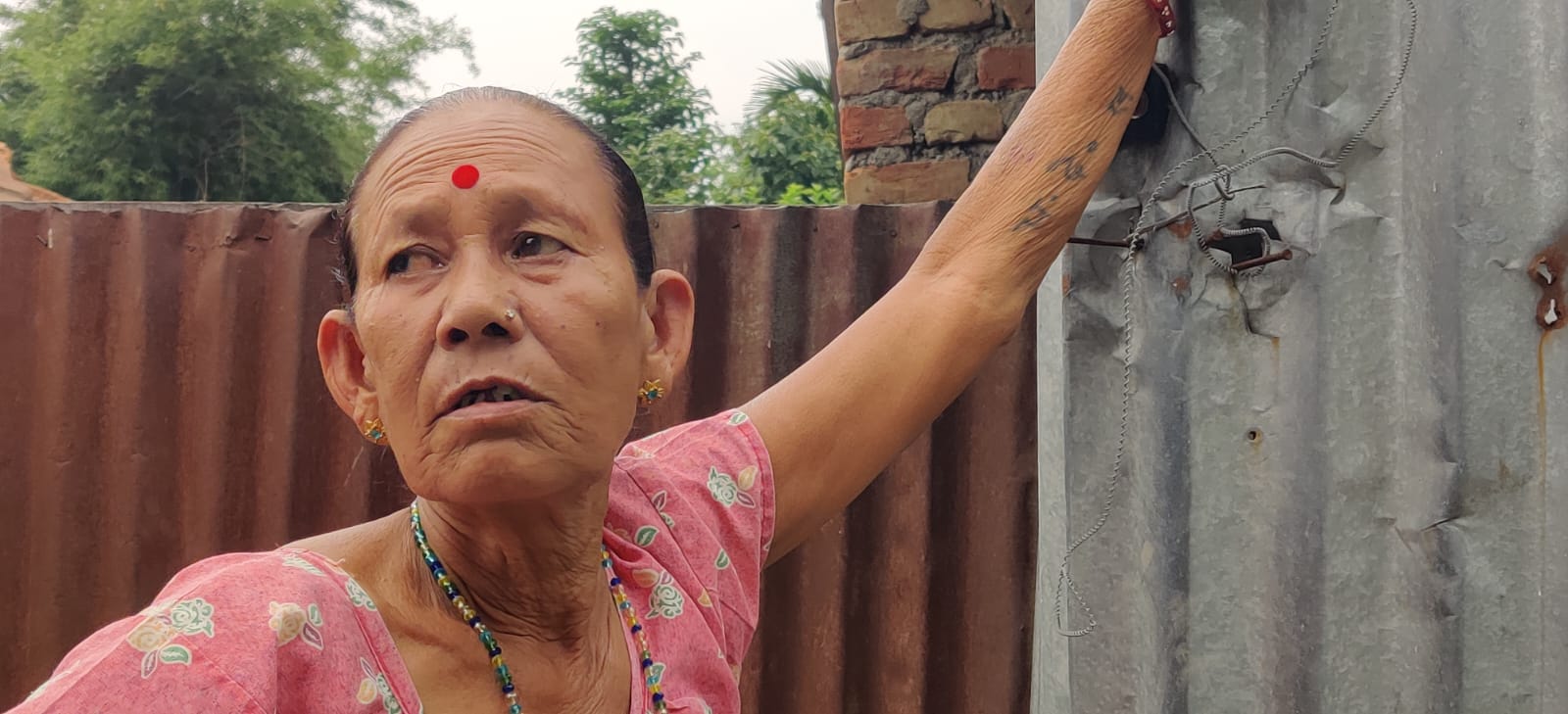
Chandrakala, from the Dalit community, built a small house by saving her old-age allowance money. She said, 'I get an allowance because I am Dalit. I saved that allowance for 6 years, and with some effort, I built this house. It cost about 1 lakh 70 thousand rupees.'
Although the river floods have caused trouble repeatedly, she has not given up. Now, she fears government bulldozers more than floods.
Chandrakala said, 'Now I hear about removing landless settlements and demolishing houses in Kathmandu, and I am scared. If they provide us with some arrangement and then evict us, where will we go?' According to her, there are hundreds of landless houses on the banks of the Singhiya River alone.
Landless people in Biratnagar want their humanistic management. According to Bimal Niroula, the government should create a master plan before evicting the landless. He said, 'They should be settled in a systematic place, even if it's on the condition that they cannot sell it for life. Where there are schools, hospitals, and basic necessities. After that, we ourselves are ready to move.'
Currently, the only discussion in the landless settlements of Biratnagar is, 'Balen operated bulldozers in Kathmandu, and they say he will do it here too!' This fear is troubling everyone from the elderly to children. The landless settlements of Biratnagar are currently in turmoil due to the pain of having to leave the place where they have lived for years and the distress of having no alternatives.
-s_liZFLNZKqI.jpg)
- How many landless people are there in Morang?
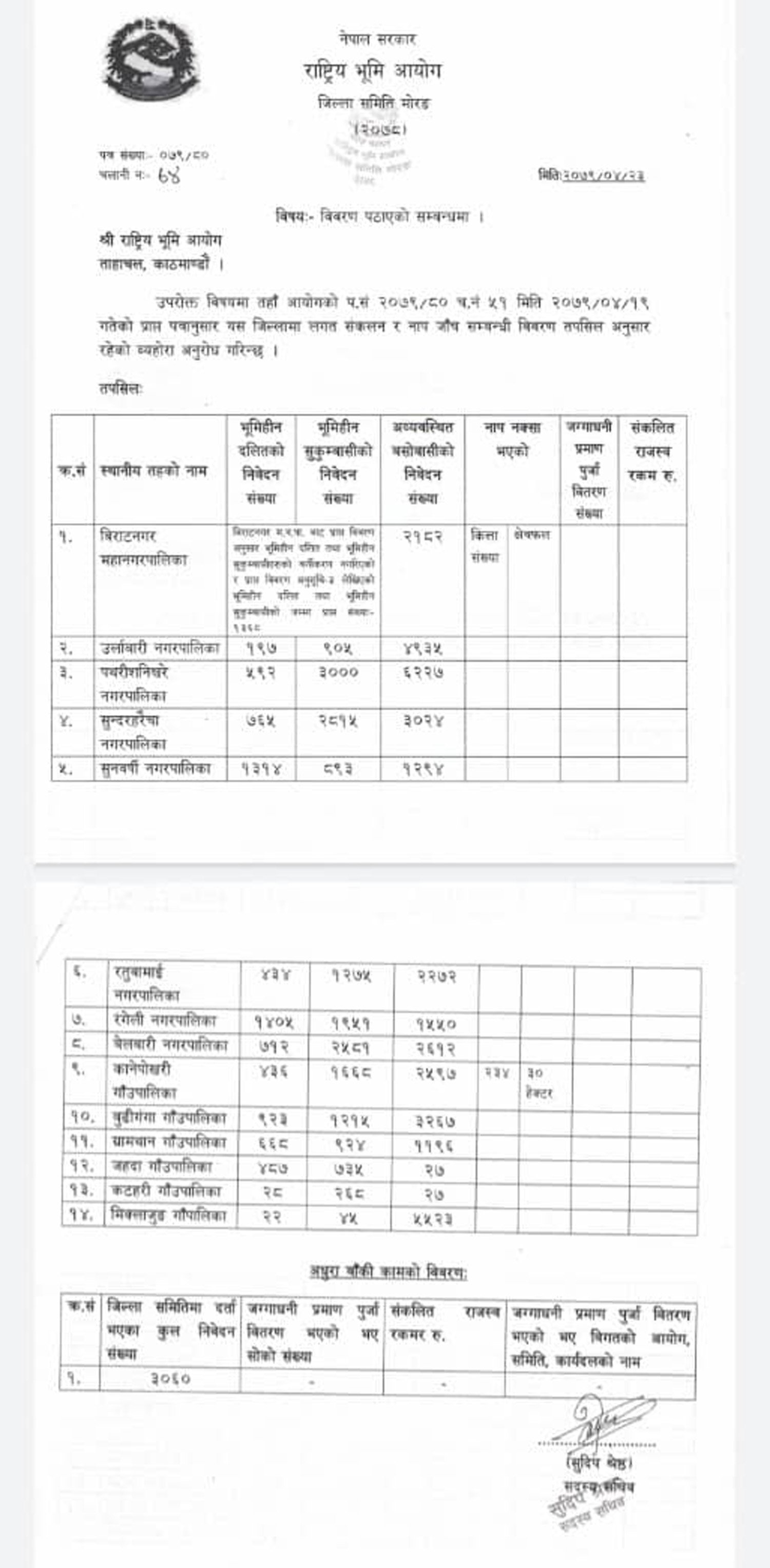
In Morang, there are 8,919 landless Dalits, 18,561 landless squatters, and 40,253 unorganized settler households. Some of the 17 municipalities have not yet entered the data. If all the details are updated, the commission estimates that ownership certificates will have to be distributed to about one lakh households. They will need 2,130 Bigha of land.
Statistics show that 19 commissions have been formed since the advent of multi-party system in 2047 BS. Although those commissions distributed some ownership certificates in the name of landless and squatters, the land-related and squatter problems remain unresolved. Some elderly people who have been hoping for land ownership certificates from the state for decades have now grown old. However, their hands are still empty.
Meanwhile, the depth of the landless problem in Biratnagar was highlighted by the Citizen Concern Forum Nepal and the Urban Community Information Center as early as 2071 BS. According to the data from that time, 15 percent of the total households in Biratnagar, i.e., 15 percent of the population, are landless.
Dozens of settlements in Biratnagar, such as Shrinagar, Shanti Chowk, Prithvi Tole, Jagriti Tole, Musahar Basti, are listed as landless settlements.
The metropolis started collecting new data through the Land Management Branch established in 2079 BS. According to this, the number of landless Dalits/squatters is 1,412, and unorganized settlers are 2,194, totaling 3,606 families.
Ward No. 19 has the highest number of claimants with 636 families (86 in Schedule 3 and 550 in Schedule 4). Similarly, 380 applications were received from Ward No. 4 and 374 from Ward No. 17. However, those concerned with landless people claim that the actual number of landless people in Biratnagar is 10,000 households. 'Our estimate is that the number of families living on public and unregistered land in Biratnagar is around 6,000,' said landless leader Bimal Niroula. 'An additional 4,000 may be living on private land, institutional land, and industrial land.'
_9h9DmsnyCS.jpg)
This specific news has been automatically translated by AI. As a result, there may be some inaccuracies or language errors.