Government Criticized for Ruling by Ordinance, Opposition Ineffective

Kathmandu. The government led by Balendra (Balen) Shah, which is close to a two-thirds majority, is facing widespread criticism for attempting to rule by ordinance by bypassing parliament. Questions have also been raised about the ineffectiveness of the opposition parties, who should be holding the government accountable for its wrongdoings.
President Ram Chandra Paudel had convened the monsoon session of the House of Representatives on Baisakh 17, at the recommendation of the Council of Ministers. A Council of Ministers meeting held on Baisakh 8 had recommended to the President to convene a parliamentary session.
Within 24 hours of the President convening the parliamentary session, the President's Office issued a notice stating that the parliamentary session had been postponed, citing special reasons. The President had postponed the session at the government's recommendation.
The government's move to recommend various 8 ordinances to the President after postponing the parliamentary session it had itself called has created a major stir in political circles. The postponement of a parliamentary session within 24 hours is considered a rare event in parliamentary history.
The Public Procurement (Second Amendment) Ordinance 2083 and the Cooperatives (First Amendment) Ordinance, 2083 were issued by the President's Office on Baisakh 17.
Similarly, on Baisakh 18, the Property Delinquency (Money Laundering) Prevention (Third Amendment) Ordinance 2083 was issued. On Baisakh 19, simultaneously, the Ordinance to Amend Some Nepal Acts Related to Health Sciences Academies 2083, the Ordinance on Special Arrangements Regarding the Removal from Office of Public Officials 2083, and the Ordinance to Amend Some Nepal Acts Related to Universities 2083 were issued.

The President's Office stated that the ordinances related to the Constitutional Council and the amendment of some Nepal Acts are still under study. With the issuance of these ordinances, one thousand five hundred and ninety-four officials appointed politically earlier will be removed from their posts.
There are allegations that the government, led by the Rastriya Swatantra Party (RSP), which received overwhelming votes from the people, is trying to rule by ordinance by postponing the parliamentary session. On the other hand, questions have been raised about the ineffectiveness of the opposition parties regarding the government's forceful eviction of informal settlements along the banks of various rivers in the Kathmandu Valley without long-term arrangements.
There is a constitutional provision to convene a special session if the government's move is not satisfactory. Article 93(3) of the Constitution clearly states that if one-fourth of the total members of the House of Representatives make a written request, the President can set the date and time for a session or meeting when the House of Representatives is not in session or has been adjourned.

Questions have been raised about the opposition parties, particularly the main opposition Nepali Congress, and opposition parties CPN UML, Nepal Communist Party, Shram Sanskriti Party, Rastriya Prajatantra Party, not showing an effective role despite criticizing the government's move. Although the number of opposition parties in parliament is small, they have not been able to show an effective presence on issues that are serious in nature. The Congress has 38 members, UML has 25, CPN has 17, Shram Sanskriti has 7, and RPP has 5, totaling 92 members in parliament. The opposition parties have one-fourth, i.e., 69 members, required to convene a special meeting. Questions have been raised about the opposition parties not exercising their constitutional right to request the President in writing to convene a special meeting against the government's move to postpone the parliamentary session.
However, the chief whip of the main opposition party, Congress, Niskal Rai, claimed that the opposition parties are keeping the government informed. He stated that their role appeared weak due to internal discussions regarding the selection of the parliamentary party leader.
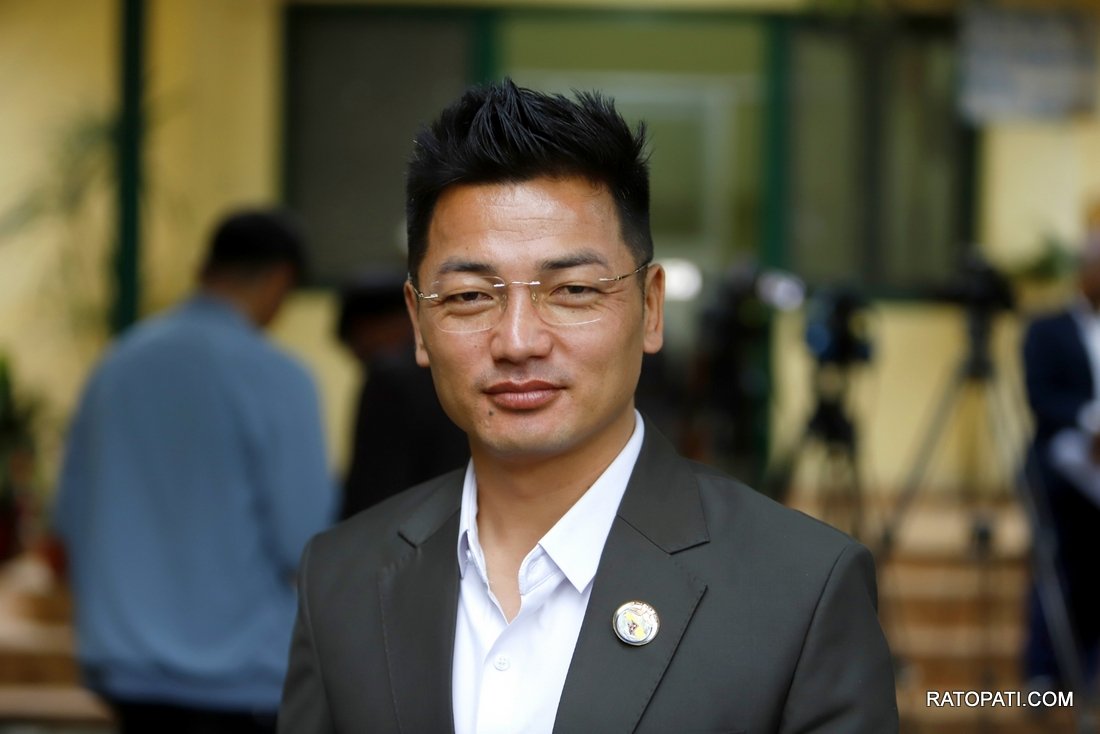
“We were internally preoccupied with the selection of the parliamentary party leader. That's why our role seemed weak. We have already drawn the government's attention to convene a parliamentary session immediately by calling a meeting of the opposition parties. We have also protested through a statement as a party. We will present ourselves strongly on this issue once the parliamentary session begins,” he told RatoPati.
Suhang Nemwang, a young leader and MP from UML, expressed the view that the government's work should be observed for at least three months. He stated that there was no need to protest if ordinances were brought to expedite the work for the people. However, Nemwang claimed that he has been drawing the government's attention through social media regarding the procedural issues in its work.
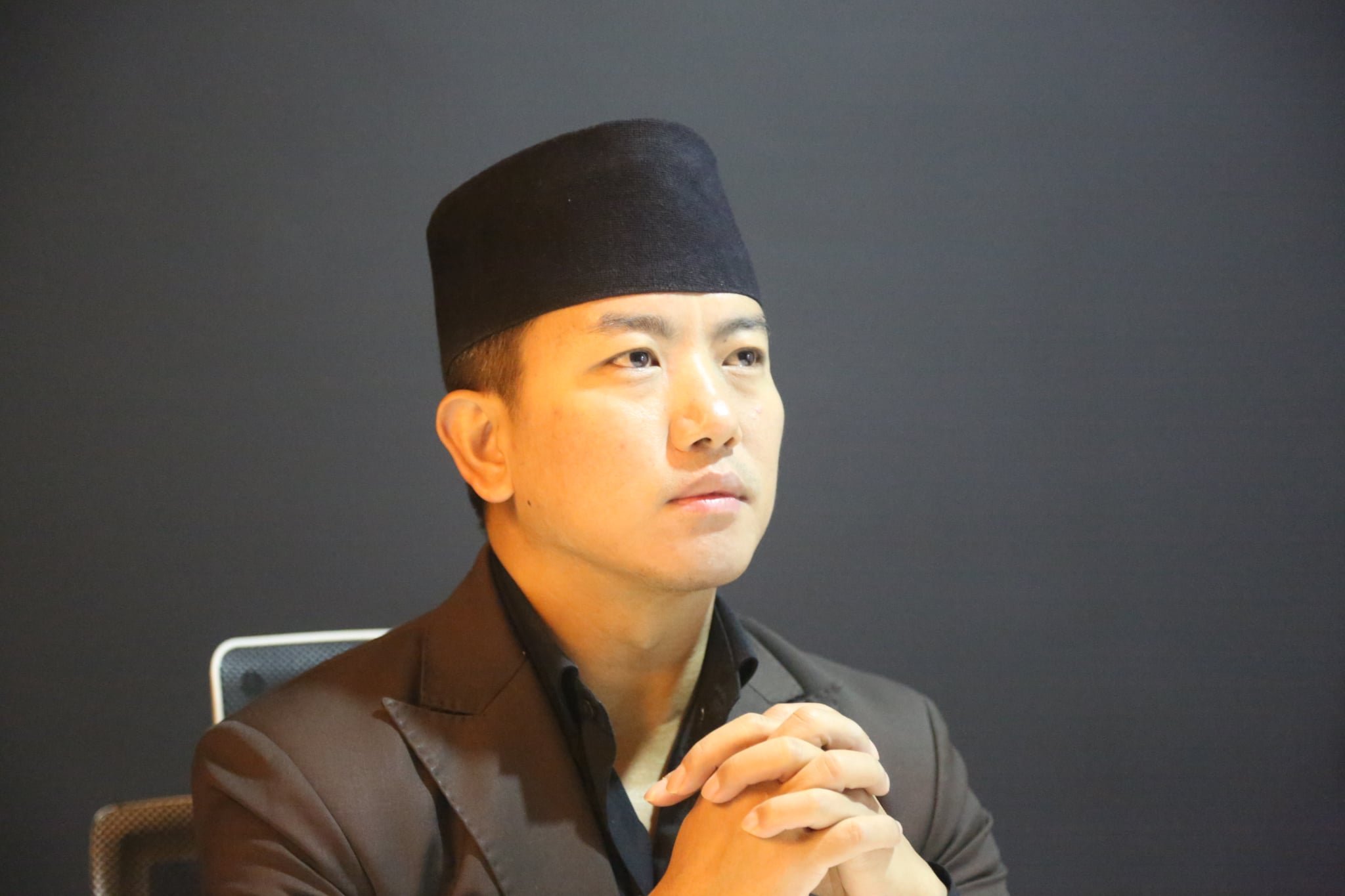
“Parliament is the door to good governance. The question is why the government went through the window when the door was available, but it's not that the government cannot bring ordinances. It might be trying to bring ordinances to deliver quick results,” Nemwang said. “It would be better to wait for at least three months rather than criticizing the government right now. We are drawing the government's attention to the fact that if the work is done through the proper process, it will not have long-term effects.”
Yuvraj Dulal, chief whip of the CPN, claimed that there was no need to convene a special session as there is a constitutional compulsion to convene the budget session within 15 days. He stated that there is no need to go to the streets when the government has not even completed two months in office.
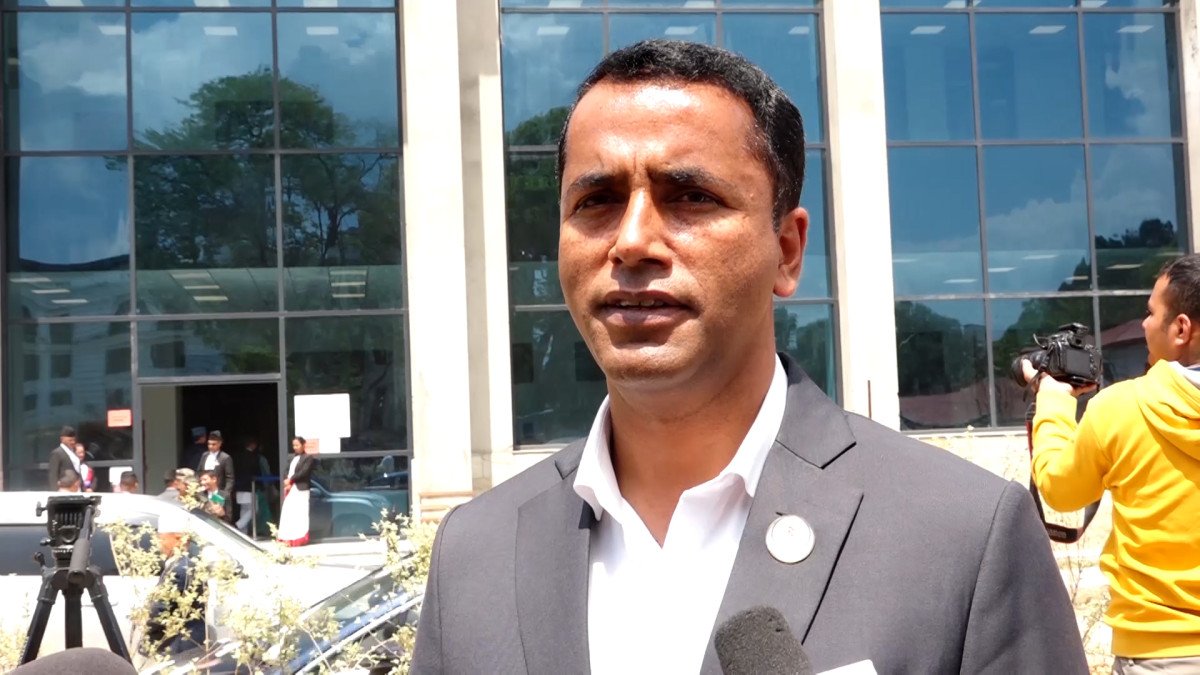
“There is a constitutional compulsion to convene the budget session within 15 days. This does not mean the opposition is sitting idly. We have already drawn the government's attention by calling opposition party meetings twice,” Dulal said. “If the constitution is violated and authoritarianism is imposed, we will also convene a special session. We are saying let's not protest until at least three months are completed. The government has not even completed two months, so it is not right to go to the streets now.”
Meanwhile, Aryan Rai, general secretary and MP of the Shram Sanskriti Party, accused the government of moving towards authoritarianism. He clarified that their role has not been effective because the party's MPs are outside the Kathmandu Valley. Rai said that they would present themselves effectively on the government's wrongdoings in the upcoming parliamentary session.

“The government is moving towards authoritarianism. What crisis has befallen the country to bring ordinances by bypassing parliament? Is the nation's sovereignty under threat? Is the government in the minority within its own party?” he questioned. “We are currently outside Kathmandu. According to the information we received, the parliamentary session was supposed to be called on Baisakh 21, but we have not received any information yet. If necessary, we will also take the initiative to convene a special meeting.”
This specific news has been automatically translated by AI. As a result, there may be some inaccuracies or language errors.