Constitutional Expert Urges Addressing Youth Demands for Good Governance and Directly Elected Executive

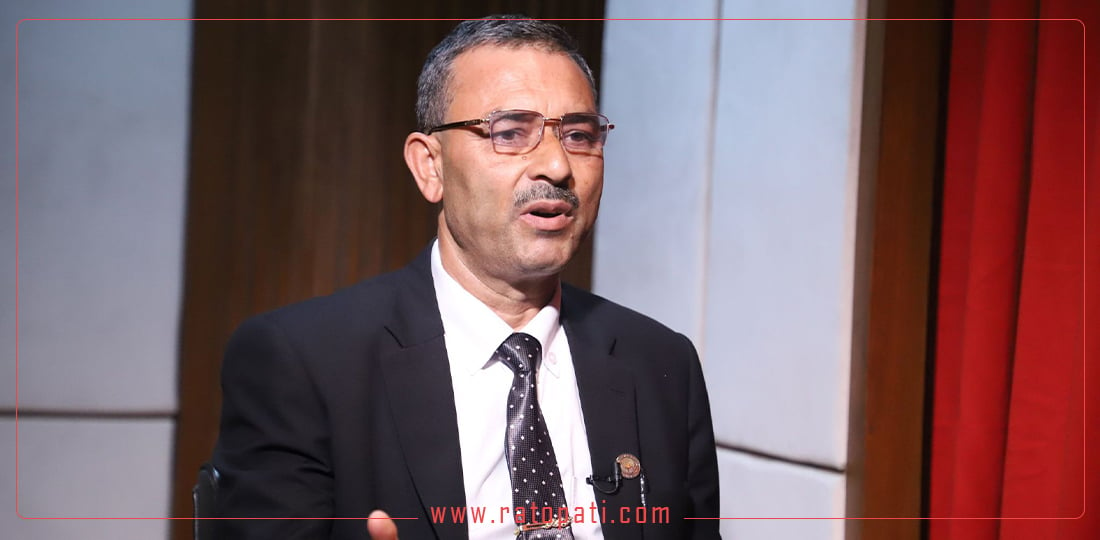
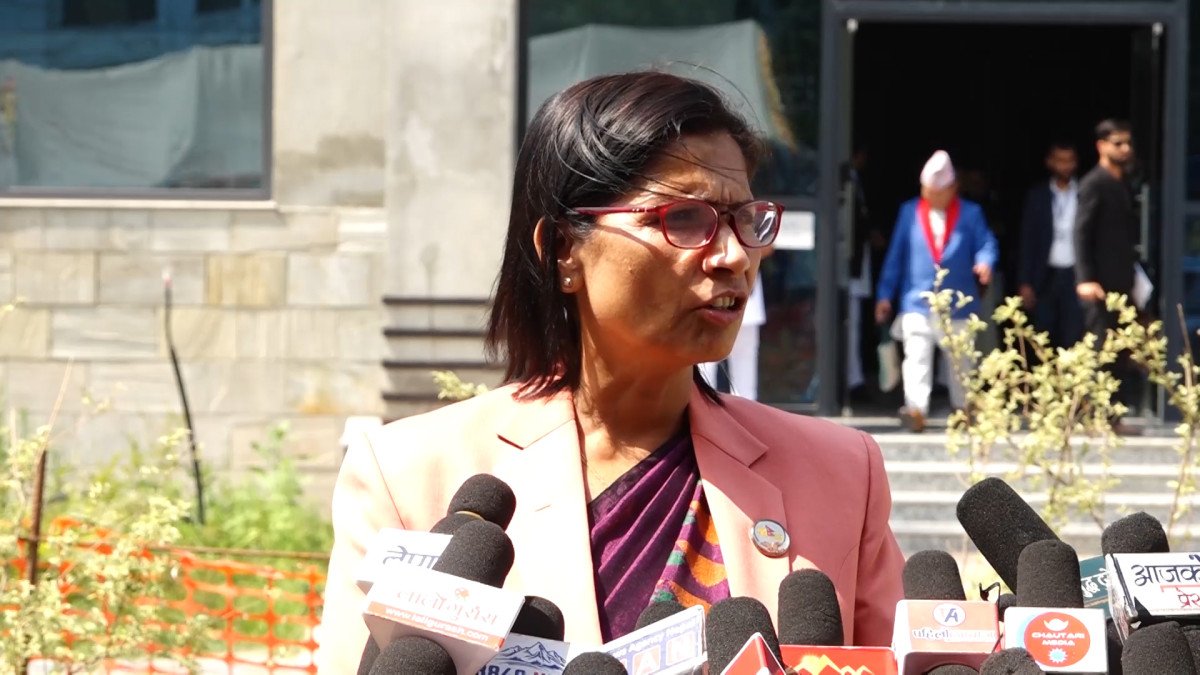
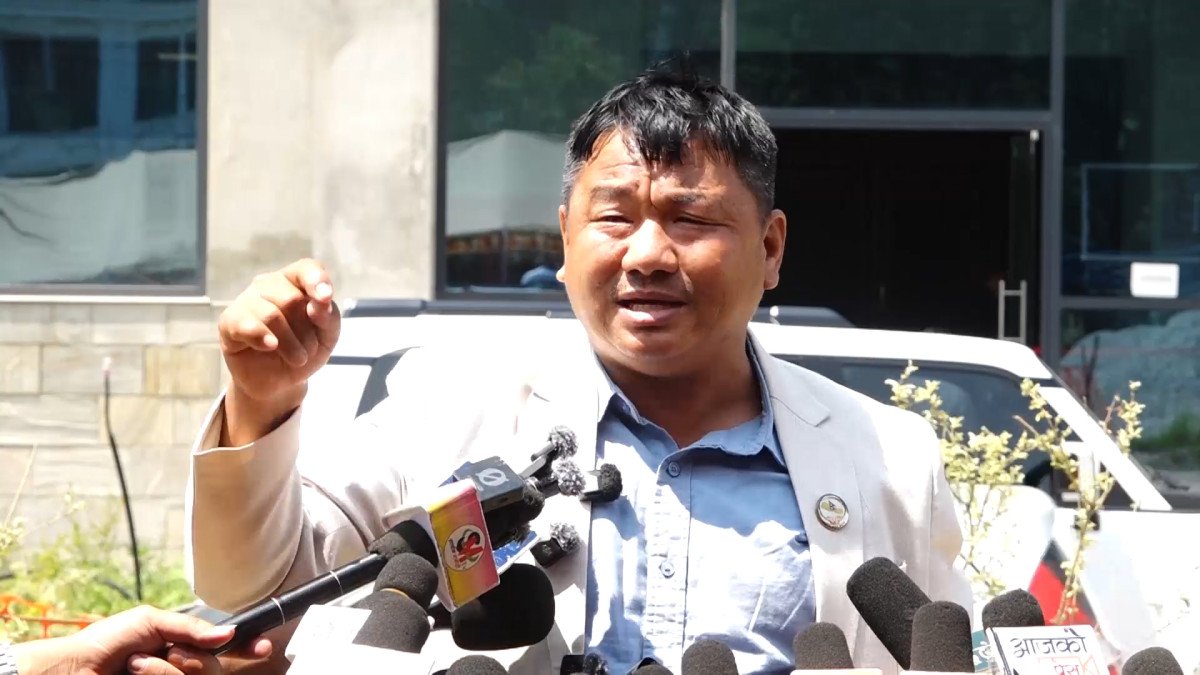
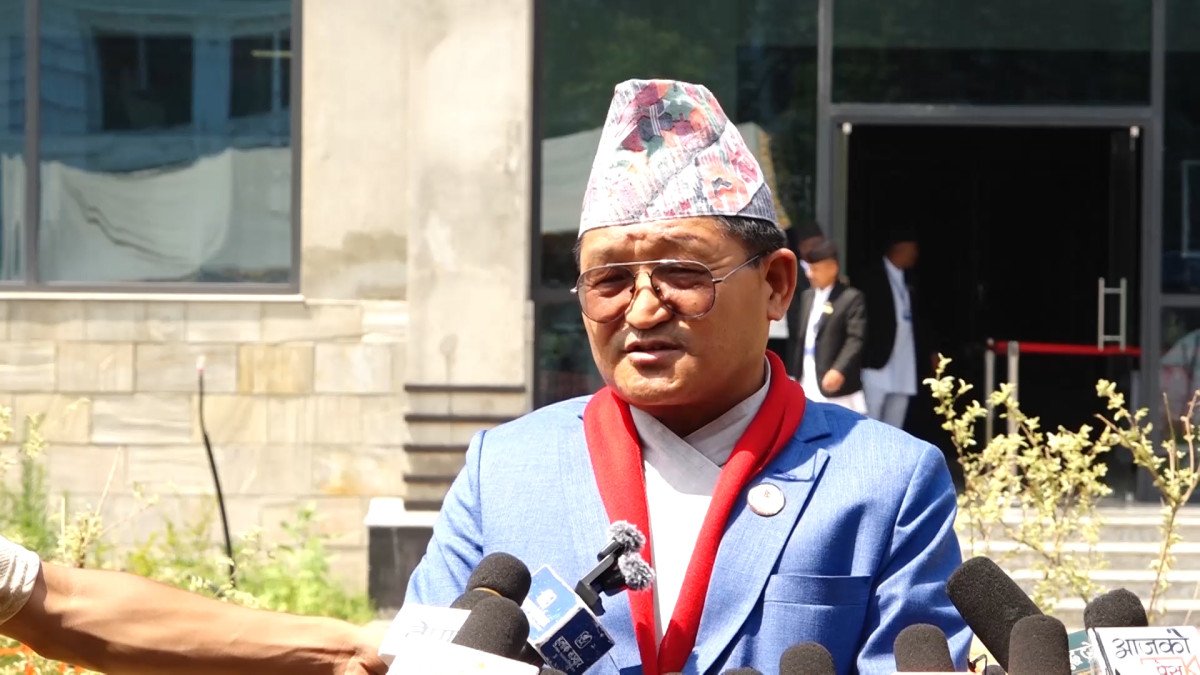
Kathmandu. Senior advocate and constitutional expert Dr. Chandrakant Gyawali has emphasized the need to address the demands for good governance and a 'directly elected executive' raised by the GenZ movement, during a discussion called by the 'Task Force for Preparing a Constitutional Amendment Debate Paper' formed under the convenership of Prime Minister Balendra Shah's political advisor Asim Shah.
He suggested that the three main issues raised by the GenZ movement – good governance, ending nepotism (nepotism-baby), and a directly elected executive – must be addressed.
Parliamentary or Non-Parliamentary?
Constitutional expert Gyawali argued that the 'model' must be clarified first when discussing amendments. If moving towards a directly elected executive system, he suggested adopting a 'non-parliamentary' model from the local level to the center and electing the president or prime minister accordingly. However, if the parliamentary system is to be maintained, he advised a mandatory review of its implementation over the past 10 years.
'Is the difficulty seen in the implementation of the constitution a failure of the individuals or the system? A 'High-Level Constitutional Reform Suggestion Commission' should be formed to identify this,' was suggested during the discussion.
He gave suggestions on whether the prime minister should be directly elected or not. Federalism exists, with three tiers of government. Should provincial elections also be directly elected? After all, a non-parliamentary system of governance seeks that. From the mayor and deputy mayor of the local level, they should also be directly elected. Going with this model requires amending the constitution through a separate model.
Article 76 and Electoral System Need Change
He pointed out the need for reform in Article 76 of the constitution (government formation process), which has repeatedly been controversial and reached the courts. Analyzing that the 40 and 60 percent mixed electoral system has led to no party securing a majority and caused political instability, experts said that either the electoral system or Article 76 needs to be changed.
'Today, the provinces are very weak. The provinces were given so few rights, even less than local and federal governments. When the lists were made yesterday, the provinces would have been strong in federalism. But today, instead of strengthening the provinces, 35 federal rights were kept. We brought federalism by ending centralized state power. Today, as it has become like a centralized state power, emphasis was placed on giving economic rights to the provinces. The amendment should focus on making the provinces stronger and economically prosperous,' he argued.
In the context of federalism implementation, provinces have been made powerless, and 'centralized federalism' is being practiced. He offered suggestions on how this can be improved. Constitutional expert Gyawali suggests that the justification of federalism will not be proven unless provinces are made economically and constitutionally strong. Similarly, he suggested that the benefits of inclusivity have not reached the target groups but are limited to the 'creamy layer' (the elite), and there should be actual proportional representation based on population.
Judicial and Other Reform Proposals
He also suggested the provision of a 'fixed-term parliament' where the parliament would not be dissolved for 5 years. He proposed that local levels should have their own courts and a separate 'Constitutional Court' should be formed by increasing the number of judges in the Supreme Court. He also emphasized the need to review and streamline the numerous existing commissions.
This specific news has been automatically translated by AI. As a result, there may be some inaccuracies or language errors.