US Skeptical of Iran's Peace Proposal Amid Nuclear Concerns


While Iran proposed an end to the war and the reopening of the Strait of Hormuz, the United States has signaled a lack of clear interest as Iran seeks to suspend discussions on its nuclear program.
The administration led by President Donald Trump appears unlikely to accept the proposal immediately.
Iran had sent a proposal to lift US economic sanctions, end the war, and reopen the strategically vital Strait of Hormuz. However, Washington appears dissatisfied because the proposal includes halting negotiations on Iran's nuclear program. US Secretary of State Marco Rubio clarified in an interview with Fox News on Monday that any deal must have the mandatory condition of preventing Iran from moving towards nuclear weapons in the future.
He said, "We must ensure that any agreement does not allow them to move forward with the development of nuclear weapons under any circumstances." Rubio confirmed that Iran's proposal came through Pakistan and expressed serious doubts about it. According to him, the Iranian leadership is adept at stalling negotiations and cannot be easily trusted.
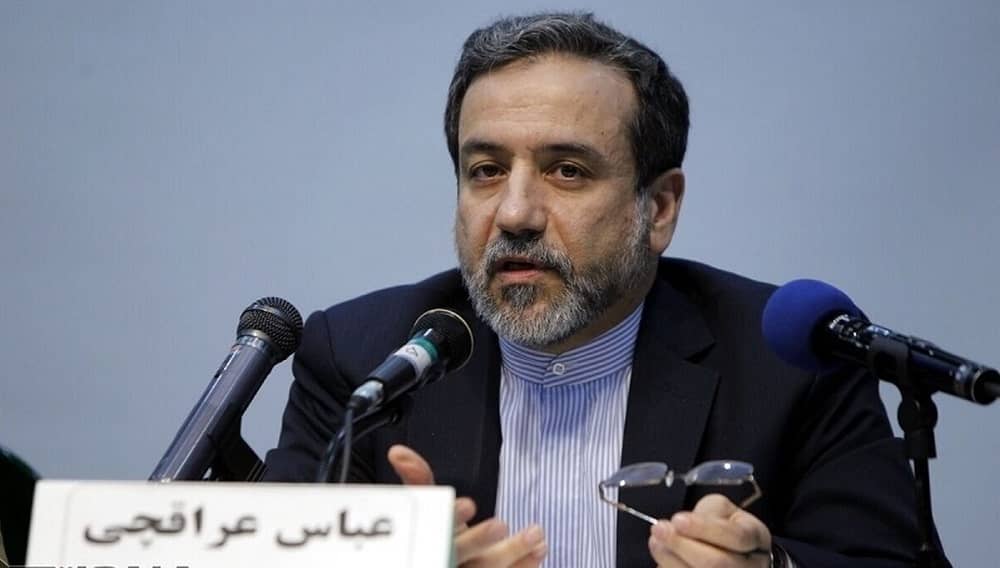
The White House also stated that the President's national security team has discussed the proposal. President Trump is expected to give a formal response later. Meanwhile, Iran's Foreign Minister Abbas Araghchi made the proposal public after visiting Moscow. Russia, considered Tehran's long-term ally, has not yet clarified what role it will play in this matter.
The human cost of the war, however, is increasing daily. At least 3,375 people have died in Iran so far, while 2,521 people have died in Lebanon. The conflict, which reignited two days after the war began between Israel and Iran-backed Hezbollah, has further deepened regional instability.
23 people have died in Israel, and more than a dozen have died in the Arab nations of the Gulf. Meanwhile, 16 Israeli soldiers, 13 American soldiers in the region, and six United Nations peacekeepers were killed in southern Lebanon.
US officials have stated that Iran's behavior should be taken as a serious warning to global energy security. US Deputy Assistant Secretary of State for Political Affairs, Alice Hooker, speaking at a multilateral meeting in Dubrovnik, Croatia, called Iran's activities in the Strait of Hormuz "illegal" and said they have forced the world to reconsider energy supply security.
She said, "This incident has clarified the need to secure our supply chain and reduce dependence on unreliable partners." According to Hooker, as the world is changing rapidly, it is time to diversify energy sources and further strengthen cross-border cooperation.
Rubio also reiterated that Iran's nuclear ambitions are the main problem, stating that if the current religious leadership remains in power, Iran may decide to develop nuclear weapons in the future. He said, "That fundamental issue still remains unresolved, and that is the biggest concern right now."
This specific news has been automatically translated by AI. As a result, there may be some inaccuracies or language errors.

_HSVUbGHJpC.jpg)