Bagmati Province Government Moves to Abolish Policy and Planning Commission


Hetauda. The Bagmati Province government has intensified efforts to abolish the Provincial Policy and Planning Commission. The government is preparing for the dissolution of the commission as part of its administrative restructuring aimed at institutional strengthening.
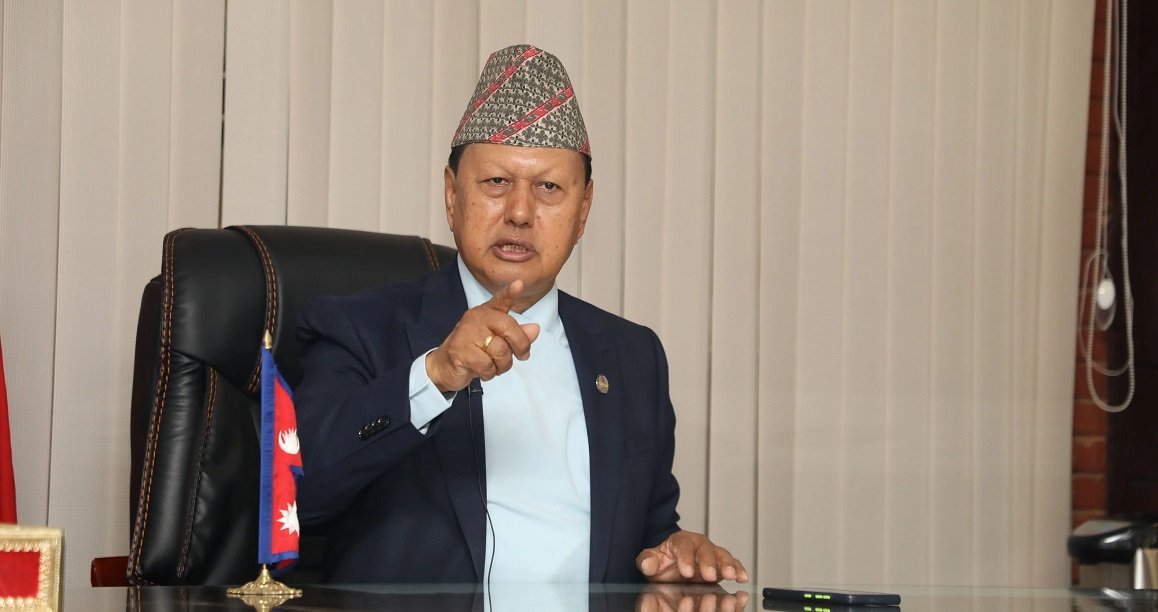
The proposal to abolish the commission was made in the report of an expert group led by former secretary Bimal Wagle, which was formed for administrative restructuring. The expert group recommended the dissolution of the commission, which involves political appointments, citing concerns over its effectiveness. A high-level steering committee led by Minister Madhusudan Paudel is currently discussing the Wagle-led group's report. The committee has written to various ministries and parliamentary committees seeking suggestions for necessary consultation.
While the government prepares to dissolve the commission, questioning its effectiveness, constitutional bodies and lawmakers argue that the commission's role is indispensable for preventing intermediaries in the budget process and maintaining discipline in projects.
The government argues that the commission's structure only increases administrative costs and that ministries have developed a practice of selecting projects on their own, rendering the commission unnecessary. The government plans to replace the commission with a small 'expert group' under the Chief Minister's Office.
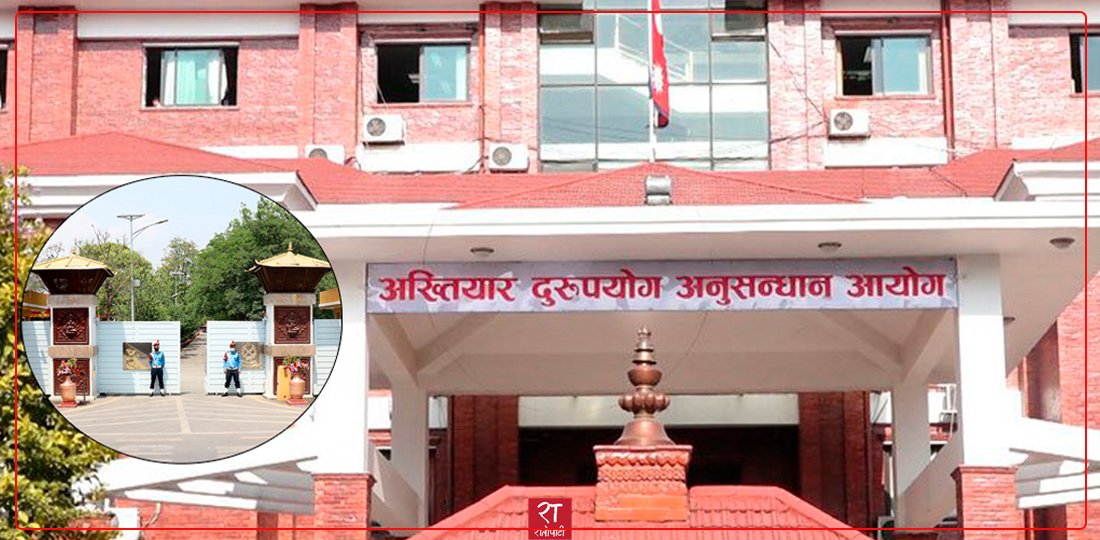
As the government prepares to abolish the commission, the Office of the Auditor General and the Commission for the Investigation of Abuse of Authority (CIAA) have suggested, through their annual reports, that the 'Project Bank' under the Provincial Planning Commission should be made mandatory. The CIAA and the Office of the Auditor General have advised the government to allocate budgets by establishing a project bank under the commission to make the budget organized and transparent.
These institutions conclude that if the commission is abolished, projects will be selected arbitrarily, institutionalizing policy corruption.
'To stop the trend of pouring budget into unplanned projects, the commission must select, classify, and prioritize projects. Projects coming from outside the project bank violate financial discipline,' the CIAA and the Auditor General noted in their suggestions.
'Entry of Intermediaries in Budget and Dominance of Fragmented Projects'
In the Provincial Assembly meetings, lawmakers from both the ruling and opposition parties have been alleging that 'invisible forces' and 'intermediaries' have become dominant in the budget formulation process. During the budget discussion last Ashar, Congress lawmaker Dipendra Shrestha demanded that the concerned ministers and employees be investigated and punished by the CIAA, claiming there were serious errors in the budget and that intermediaries were dominant.
During the parliament meeting, he alleged that intermediaries, rather than ministry officials, determine the budget ceiling and projects while sitting in hotel rooms. In the meeting, NCP lawmaker Ratna Prasad Dhakal stated that the budget was being scattered across thousands of small and unproductive projects (fragmented projects) worth 10 to 20 lakhs. He argued that the government had sidelined large and pride projects selected through the commission in favor of small and fragmented ones.
The unbalanced distribution, where billions of budget go to the districts of influential ministers and leaders while areas without access receive zero budget, has disrupted provincial balance.
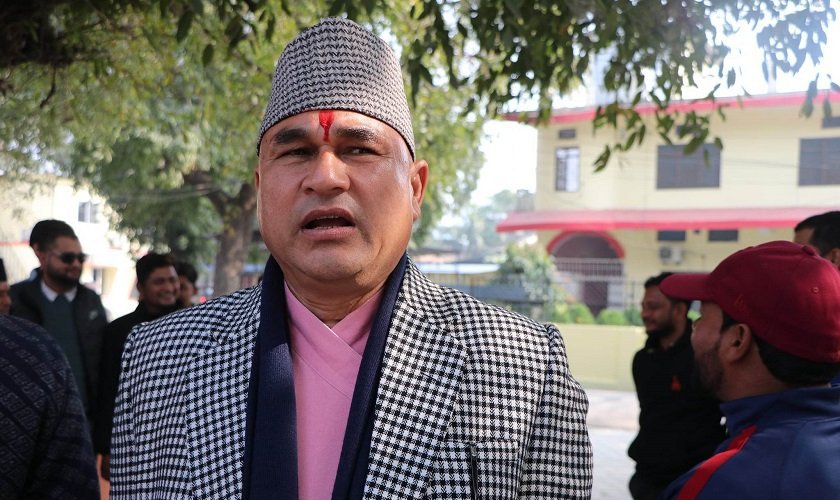
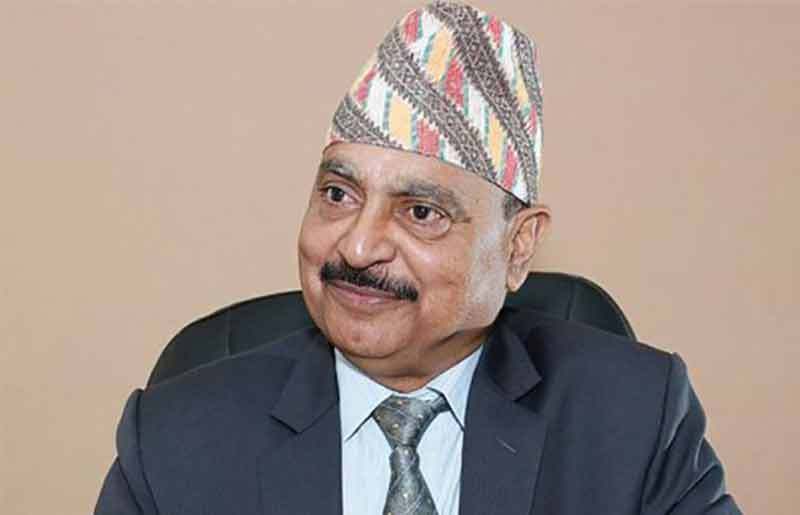
However, Dr. Ganga Dutta Nepal, former Vice-Chairman of the Bagmati Province Policy and Planning Commission, stated that the commission is the brain of overall development and its abolition would have a serious impact on the province's development. 'Its main task is policy formulation, planning, resource management, monitoring, and evaluation. Abolition could have a serious impact on development,' he said.
He also expressed that the abolition of the commission poses a risk of lack of data and research, a vacuum in monitoring, conflicts of interest, and increased irregularities. He asserted that abolishing the commission would end the concept of a project bank, turning the budget into a mere medium for sustaining leaders and cadres in the future. He argued that abolishing this commission risks moving toward a development system that is unplanned, uncoordinated, and less effective. He emphasized that instead of removing the commission, it should be made more capable, staffed with skilled personnel, and based on data and research.
Impacts seen by Nepal if the commission does not exist
1. Weakness in long-term planning
The Policy and Planning Commission is the main body for preparing periodic plans, strategies, and development goals at the provincial level. Without the commission, plans will be made without long-term vision, and the government will rely on immediate decisions.
2. Lack of coordination in policy formulation
The commission coordinates between various ministries, local levels, and stakeholders. Abolishing the commission is likely to lead to overlapping work between ministries and unbalanced development programs.
3. Problems in effective utilization of resources
The commission advises on the prioritization and allocation of financial resources. Without the commission, there is an increased possibility of budget misuse or unbalanced expenditure and investment in areas of lower priority than necessary.
4. Weak monitoring and evaluation
The commission evaluates how effective the implementation of development plans is. Once the commission is removed, the quality of projects will decline, and result-oriented development will weaken.
5. Loss of overall development perspective
The commission provides an overall development perspective covering economic, social, infrastructure, and environmental aspects. Without the commission, it is clear that regional imbalances will increase and sustainable development will be hindered.
6. Lack of policy research and suggestions
The commission acts as a platform for research, debate, and policy suggestions. Abolishing the commission will reduce evidence-based policy formulation and political decisions will become more dominant.
See also...
This specific news has been automatically translated by AI. As a result, there may be some inaccuracies or language errors.