Tensions Escalate in West Asia as US-Iran Talks Stall and Regional Conflict Intensifies

Kathmandu. The ongoing tension in West Asia appears to be reaching a decisive turning point. Following the failure of talks between the US and Iran, military pressure, a surge in oil markets, and regional conflicts are intensifying simultaneously, signaling an increased risk of war.
US President Donald Trump has made it clear that it does not matter to him whether Iran returns to the negotiating table or not. Speaking to reporters at Joint Base Andrews in Maryland after returning from Florida, he stated that the US will remain firm in its strategy even without a deal with Iran. Meanwhile, diplomatic efforts appear to have weakened further after weekend talks in Pakistan ended without a conclusion.
Further escalating tensions, the US military announced that it will implement a blockade on Iranian Gulf ports starting Monday. According to the US Central Command, all ships transiting through Iranian ports near the Strait of Hormuz will be monitored and controlled.
However, it has been stated that the free movement of ships from other countries will not be obstructed. This move in the strategic waterway, through which about one-fifth of the world's oil is supplied, is expected to impact global markets.
Iran has responded strongly, calling the move unacceptable. The Revolutionary Guards claimed full control over the Hormuz region and warned that any provocation would be met with a harsh response. The commander of the Iranian Navy called the US move 'ridiculous' and stated that his forces are monitoring all activities in the area.
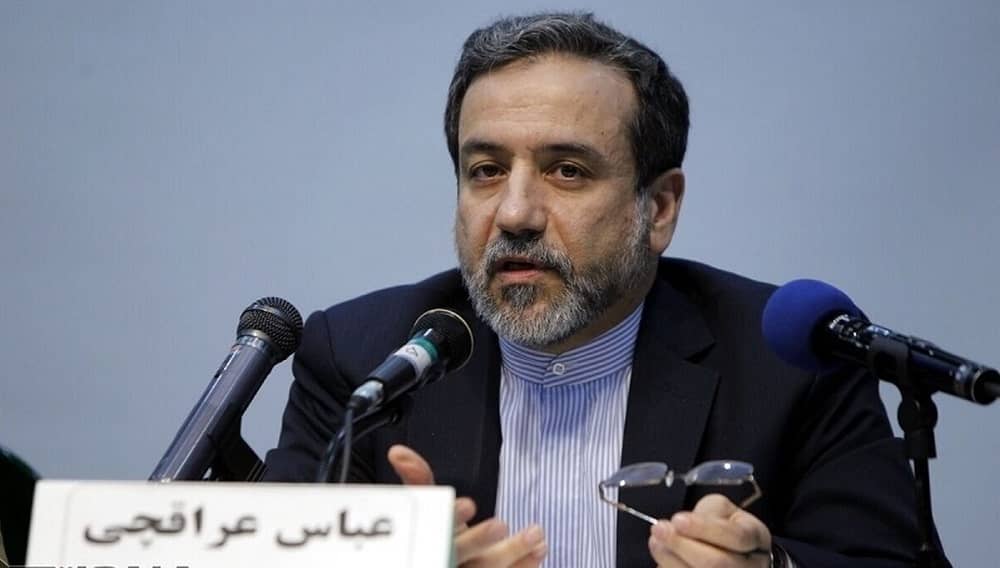
Iranian Parliament Speaker Mohammad Bagher Ghalibaf also made it clear that the country will not bow to any pressure. "If war is imposed, we will fight, and if dialogue comes, we will move forward with dialogue," he was quoted as saying. On the other hand, Foreign Minister Abbas Araghchi claimed that they were 'only an inch away' from a deal, accusing the US of changing its stance at the last minute.
Meanwhile, the direct impact of the tension is visible in the energy market. The price of US crude oil has crossed $100 per barrel, and Brent prices have also risen sharply in the international market. According to analysts, prices have climbed as supply uncertainty grows due to the risk of blockades in the Gulf region.
At the regional level, there are no signs of the conflict subsiding. Lebanese Prime Minister Nawaf Salam stated that efforts to end the Israel-Hezbollah war are ongoing. He mentioned that work is underway to withdraw Israeli troops, release prisoners, and rebuild destroyed infrastructure.
However, Israel has signaled that it will continue its military operations. During a visit to southern Lebanon, Prime Minister Benjamin Netanyahu claimed that the threat from Hezbollah has been brought under control, although he acknowledged that 'the war continues within the security zone.'
The UN peacekeeping mission, UNIFIL, reported that Israeli tanks hit their vehicles twice and that some routes in southern Lebanon have been blocked. This has further increased international concern.
The Lebanese Ministry of Health reported that at least five people have died due to the ongoing attacks in Lebanon, bringing the total death toll to 2,055. Israel has reiterated its stance that the current ceasefire does not apply to Lebanon and that it will continue its operations against Hezbollah.
This specific news has been automatically translated by AI. As a result, there may be some inaccuracies or language errors.
_HSVUbGHJpC.jpg)