FNCCI President Dhakal Calls for Stronger Synergy Between Private Sector and Media to Boost Economic Growth


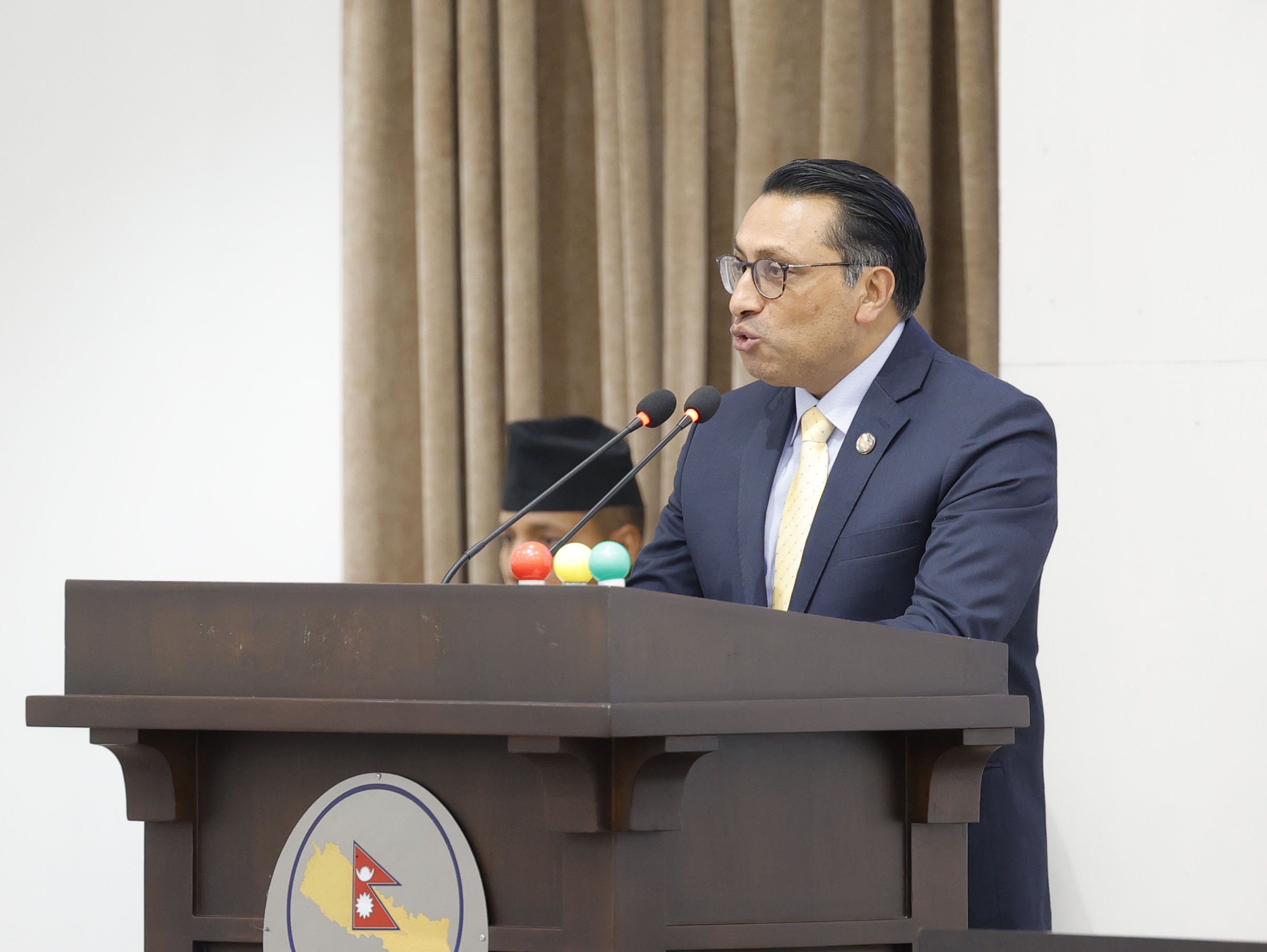
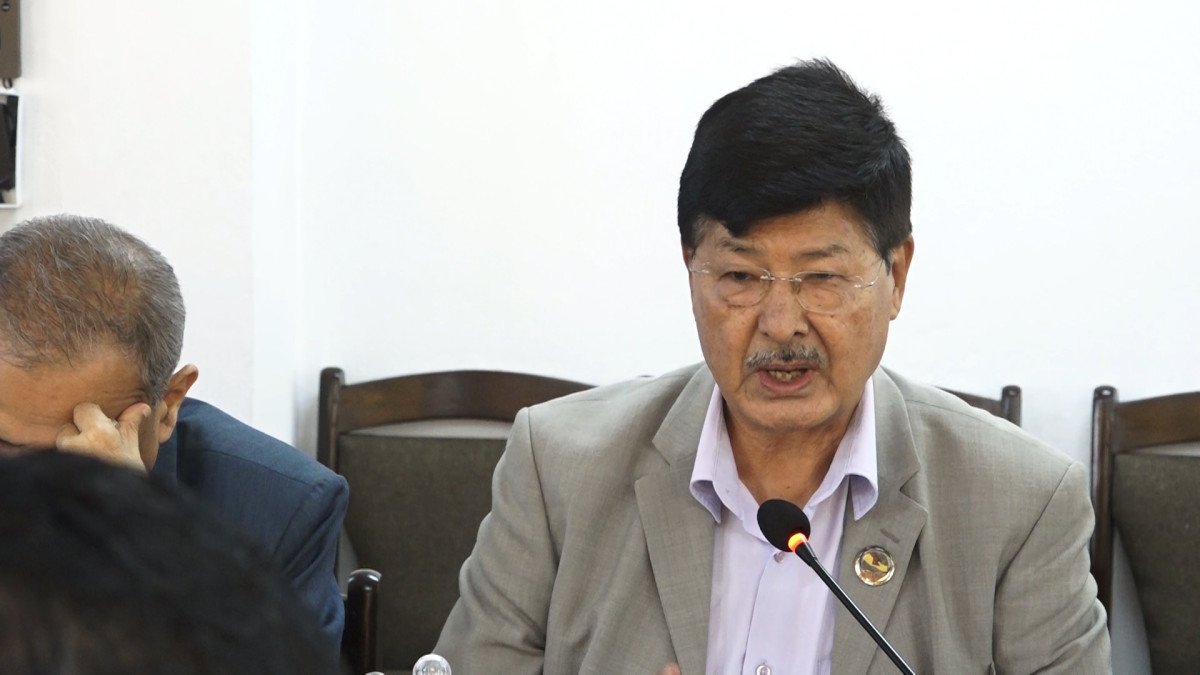
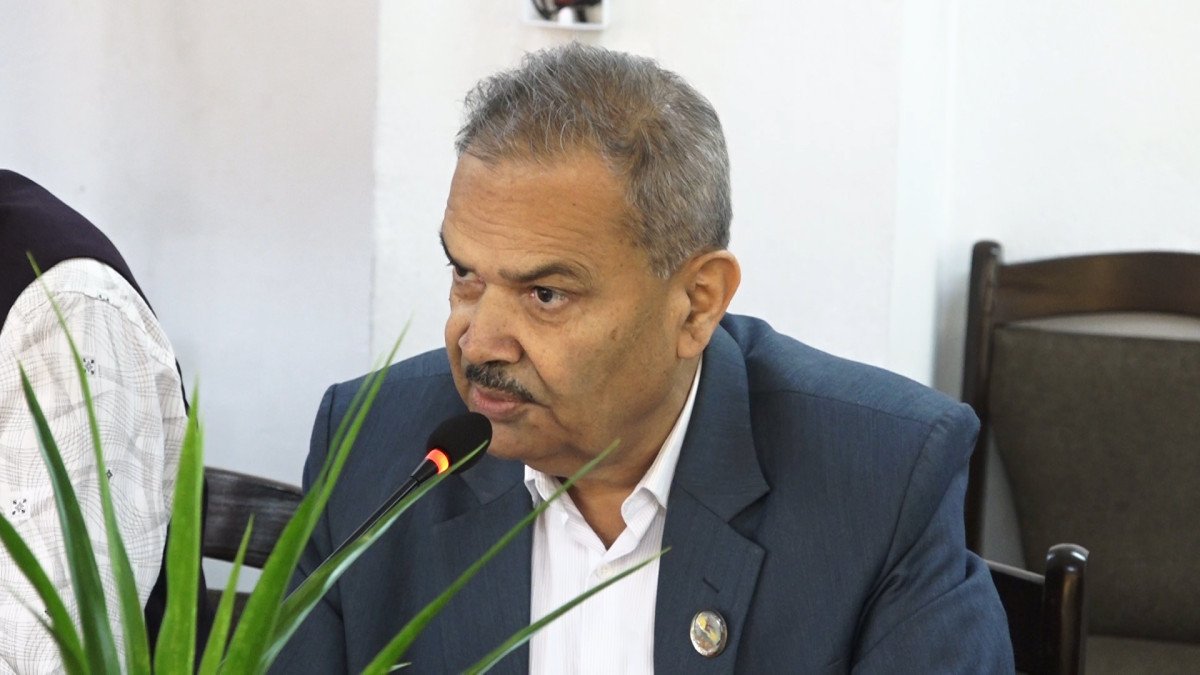
Kathmandu. Chandra Prasad Dhakal, President of the Federation of Nepalese Chambers of Commerce and Industry (FNCCI), has emphasized the need to strengthen collaboration between the private sector and the media to accelerate the country's economic development. Speaking at a program organized to thank journalists and media personnel, President Dhakal noted that journalism has guided policy reforms and economic discourse.
During the event, he stated that the tradition of direct interaction and exchange of ideas with journalists has helped build a shared perspective between the private sector and the media. He expressed that this program was not just a gesture of gratitude but an opportunity to expand cooperation on issues of national economic development.
Dhakal recalled that his three-year tenure began under extremely challenging circumstances, citing the COVID-19 pandemic, international conflicts, high interest rates, liquidity shortages, investment pessimism, and frequent government changes as factors that weakened the economy. In such a situation, he noted that the priority was to maintain the morale of the private sector, stimulate economic activity, and create an investment-friendly environment.
According to him, five main priorities were set at the beginning of his term: resolving the economic crisis, improving the investment climate, strengthening public-private partnerships, producing skilled manpower and creating jobs, and focusing on the morale and security of business people. He claimed that significant progress has been made in all these areas over the three-year period.
Dhakal stated that the FNCCI played an active role in policy reform by bringing the government, political parties, and the private sector onto a single platform to organize national economic debates. He informed that this led to the formation of a high-level economic reform suggestion commission, which recommended reforms for over 30 laws.
Similarly, he mentioned that private sector industries and businesses were declared peace zones and a strategy for the protection and promotion of the private sector was approved. He added that a draft for bilateral investment agreements has been prepared and the process of signing agreements with various countries is underway.
He also stated that the FNCCI has taken significant initiatives to improve state-private sector relations. He noted success in protecting an investment-friendly environment by modifying proposals to bring the private sector under the regulatory scope of the Commission for the Investigation of Abuse of Authority (CIAA). Additionally, he mentioned that mediation was facilitated to resolve disputes regarding dedicated feeder and trunk line electricity tariffs.
Dhakal informed that the 'Nepal Development Public Limited' with a capital of 10 billion rupees has been established to promote internal and external investment. He mentioned that Nepal has been promoted as an investment destination by organizing investment summits and dialogue programs in countries including India, China, the UAE, Qatar, and the UK.
Regarding institutional reforms, he informed that improvements such as the amendment of the FNCCI statute, direct election of the president, increased women's participation, and strengthening of district-municipal representation have been implemented.
Speaking on the role of journalists, Dhakal said that economic journalism has guided policy reforms through fact-based analysis and constructive criticism. He stated that journalism is not just about information flow but a guiding force for policy making.
At the end of the program, he expressed gratitude for the support received from journalists in making his tenure successful and expressed confidence that the collaboration between the FNCCI and the media sector would be further strengthened.
This specific news has been automatically translated by AI. As a result, there may be some inaccuracies or language errors.