US and Iran Agree to Two-Week Temporary Ceasefire Following Intense Conflict
_gdf6c1thm9_HDxLwnLSEf.jpg)
KATHMANDU. After more than a month of intense conflict, the United States and Iran have agreed to a two-week temporary ceasefire at the eleventh hour. However, despite the cessation of hostilities, both sides have declared themselves the victors, signaling that the root causes of the tension remain unresolved.
The agreement was reached just one hour before the deadline set by US President Donald Trump. Since then, both nations have framed the ceasefire as their own victory. Trump has described it as a 'decisive victory' for the US, while Iran has also claimed to have achieved a 'historic and decisive win'.
In a statement, Iran's Supreme National Security Council labeled the war against the Iranian nation as 'illegal and criminal,' asserting that the enemy has suffered a humiliating defeat. Furthermore, Iran stated it views this pause as a first step toward a permanent solution and indicated it would proceed with talks with the US. The negotiations are scheduled to begin in Pakistan on Friday.
Meanwhile, the White House announced that Israel has also agreed to the ceasefire. However, Israeli Prime Minister Benjamin Netanyahu clarified that this agreement does not apply to Lebanon. It is reported that more than 1,500 people have lost their lives in the conflict with Iranian-backed Hezbollah in Lebanon so far.
From the beginning, Israel had urged the US to become directly involved in the war against Iran. During the initial attacks that began in February, there were even claims that Iran's Supreme Leader Ayatollah Ali Khamenei had been killed, which further escalated the conflict.
Trump stated that he consulted with Pakistani leadership before deciding on the ceasefire. According to him, Pakistan had urged the US to 'stop devastating military action' against Iran. He also expressed belief that China played a role in bringing Iran to the negotiating table.
As a key condition of the ceasefire, Iran has agreed to safely open the Strait of Hormuz, a vital global oil route, for two weeks. The closure of this route during the war that began on February 28, which supplies nearly one-fifth of the world's oil, is considered significant for the global economy.
Iranian Foreign Minister Abbas Araghchi stated that if attacks cease, Iran will also halt its defensive operations. Meanwhile, following the announcement of the ceasefire, oil prices in the international market have fallen by more than 17 percent, and Asian stock markets have shown signs of recovery.
However, disagreements over a long-term solution persist. Iran has put forward demands including the lifting of US sanctions, recognition of its dominance in the Strait of Hormuz, and the withdrawal of US troops from the region. It has also reiterated its insistence on the recognition of its uranium enrichment program.
Trump, however, has stated that any final deal must bring Iran's nuclear program under complete control. His claim that Iran is close to obtaining nuclear weapons has not been supported by international bodies.
When asked if they would return to attacks if the talks fail, Trump did not provide a clear answer but hinted that harsh measures could be taken if necessary.
Before the ceasefire, both sides carried out extensive attacks. The US and Israel struck Iran's bridges, railways, and military infrastructure, while Iran retaliated with missile and drone strikes in the Gulf region. These attacks have severely impacted the regional security situation.
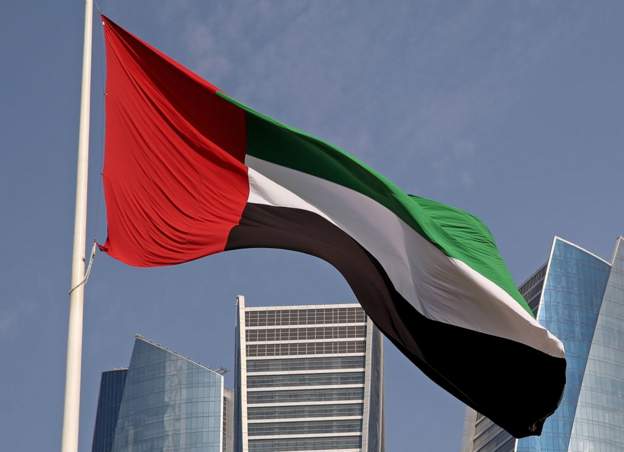
Reports of explosions have been heard in Qatar, Bahrain, Saudi Arabia, and the United Arab Emirates, with some injuries reported. In Baghdad, it is reported that two civilians, including a child, were killed in a missile attack.
The fear of war is deeply felt among the general public. A student in Tehran said that she and other citizens are living in extreme fear. Meanwhile, footage has been released showing citizens in Iran forming human chains to protect energy infrastructure.
While this two-week temporary pause provides immediate relief, analysts suggest that permanent peace remains distant until deep-seated political, military, and nuclear disputes are resolved.
This specific news has been automatically translated by AI. As a result, there may be some inaccuracies or language errors.