Min Aung Hlaing Nominated for Vice President, Paving Way for Civilian Presidency in Myanmar
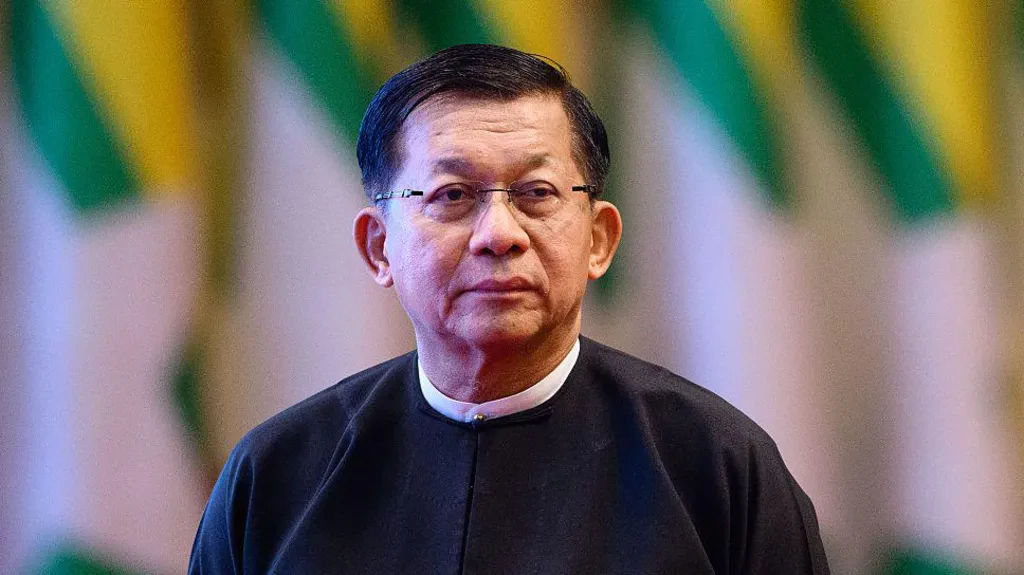
Myanmar. The nomination of Min Aung Hlaing for the post of Vice President and his replacement as military commander opens a clear path for him to continue in power as a civilian president. After running a strict military regime for five years, it appears he is now preparing to formally advance governance from within a civilian structure.
Min Aung Hlaing, who seized power by overthrowing the elected government led by Aung San Suu Kyi in 2021, had maintained tight control over the country since then. Following that move, Suu Kyi was detained, her party was dissolved, and the country was pushed toward civil war.
In the recently concluded highly controlled elections, military-backed forces secured an easy victory. Criticism or opposition during the election was treated as a crime, leading democracy advocates to criticize the process as unfair.
According to state-run media, MP Kyaw Kyaw Htay proposed Min Aung Hlaing for the Vice President position in parliament. The system allows parliament to elect one of the three vice presidents as president, which further secures his path to the presidency.
Meanwhile, a change in military leadership has also occurred. Various media outlets reported that former spy Ye Win Oo has been appointed as the new Commander-in-Chief. He was formally handed over the responsibilities during a ceremony held in Naypyidaw.
Myanmar's military has always presented itself as the primary force preserving national unity. However, limited democratic practices that began in 2011 briefly allowed for civilian leadership, which advanced reform efforts.
Analysts suggest that the military retook control out of concern that its influence would diminish after Suu Kyi's party defeated the military-backed Union Solidarity and Development Party in the 2020 election.
Currently, the military-backed party has won approximately 80 percent of the seats in parliament, leading to expectations that the new government will work closely with the military. However, as he transitions into a civilian role, Min Aung Hlaing appears to face a challenging phase of maintaining the balance of power by handing over military leadership to the new commander.
This specific news has been automatically translated by AI. As a result, there may be some inaccuracies or language errors.

_HSVUbGHJpC.jpg)