Training Launched for Healthcare Workers on Safe Management of Critically Ill Patients During Helicopter Evacuations

A training program has been launched for healthcare workers on how to safely manage critically ill patients during helicopter rescues.
Nepal Mediciti Hospital, in collaboration with Scotland's Emergency Medical Retrieval Service (EMRS), began the 'Advanced Training and Training for Trainers Program in Retrieval Medicine' on Monday.
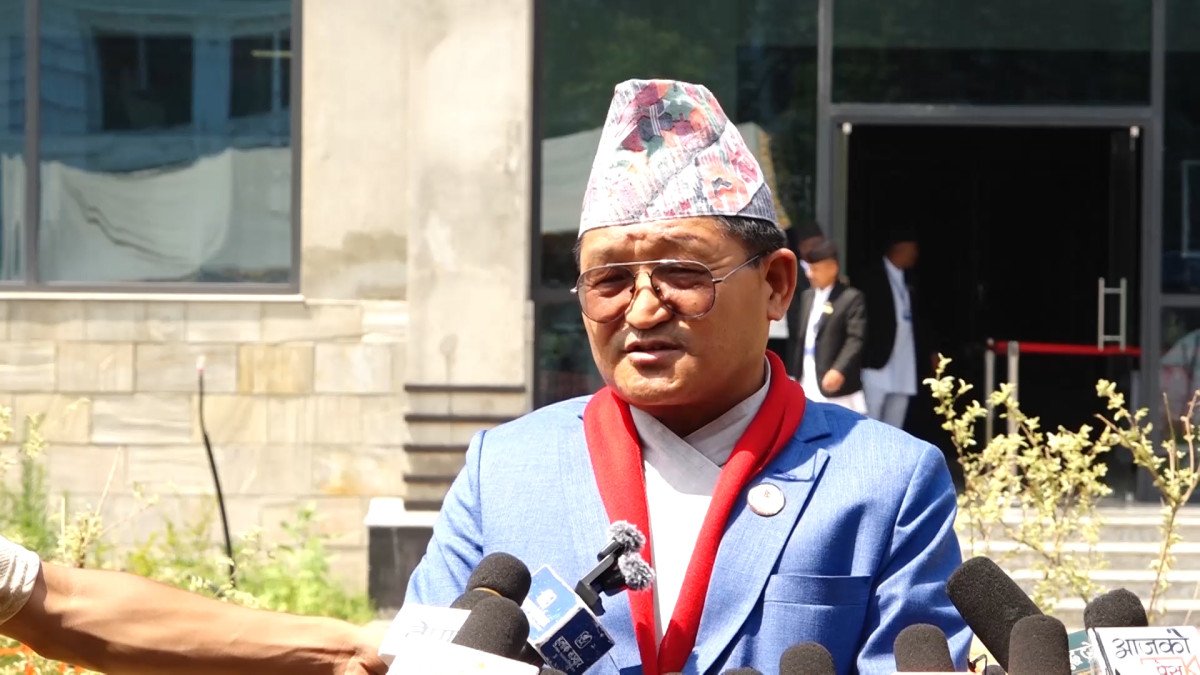
Dr. Sanjay Karki, Chief of Emergency and High Altitude Services at the hospital, stated that the training will specifically focus on the safe management, transfer, and treatment procedures for critically ill patients rescued via helicopter. "Practical exercises will be provided on how to safely move the patient, maintain the patient's proper position inside the helicopter, and provide necessary care during the journey," he said.
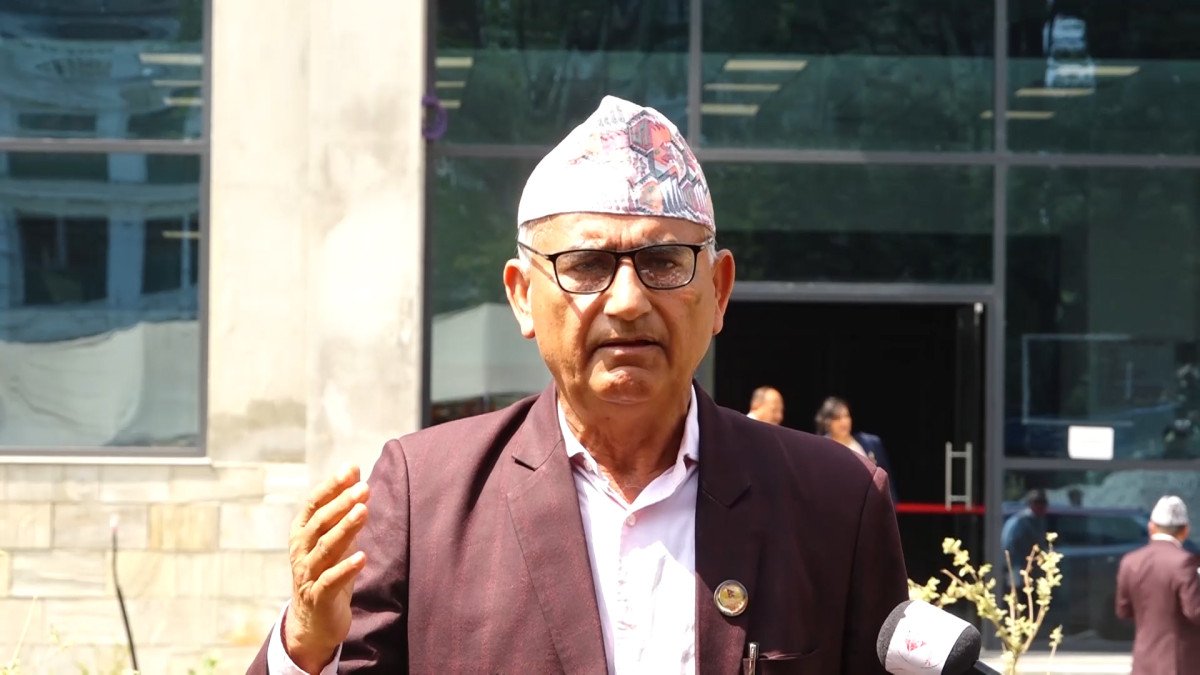
Currently, seven hospitals in Nepal have 'Heliroufs' for helicopter landings. Dr. Prakash Budhathoki, Spokesperson for the Ministry of Health and Population and Chief of the Health Emergency and Disaster Management Unit, mentioned that the government has been providing training for emergency medical treatment.
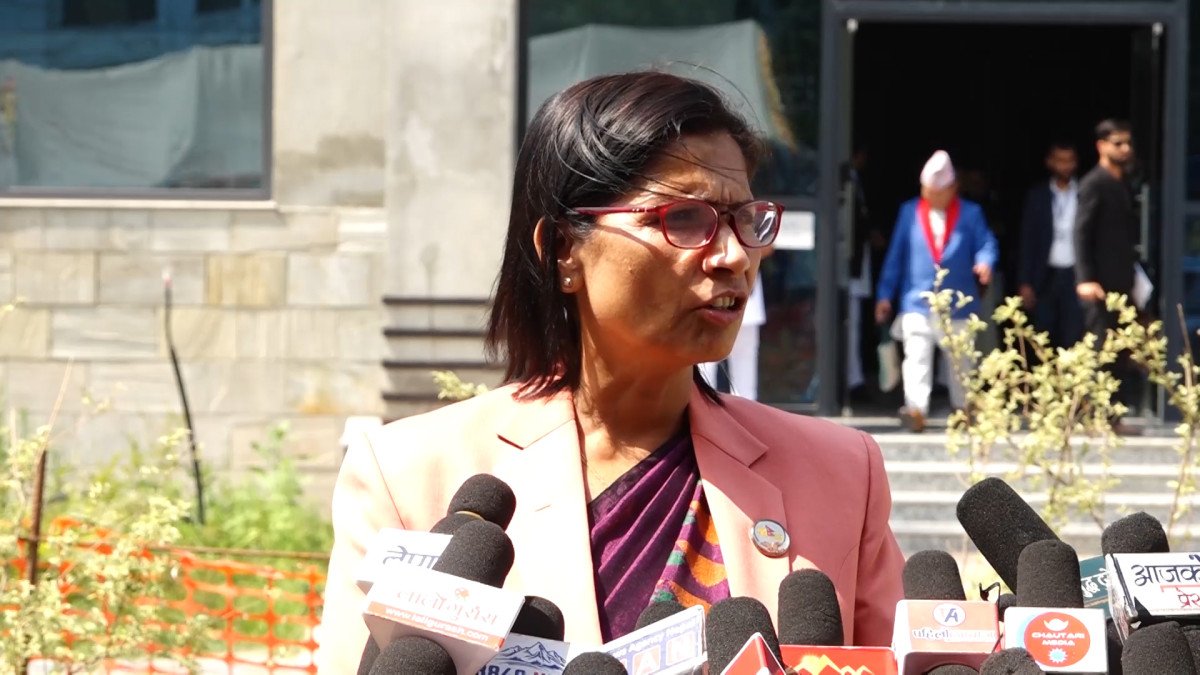
"We currently have only 104 trained doctors and medics. To increase this number, we have been training ambulance drivers, technicians, and others. Similarly, we are also providing Basic Survival Training," he said.
Specialist trainers from Scotland, along with invited doctors from Switzerland, India, and Japan, will also facilitate the program. Dr. Upendra Mahato, Chairman of Nepal Mediciti Hospital, expressed confidence that such training will strengthen collaboration between Nepal's health institutions and stakeholders, elevating the country's health service standards to international levels.
Approximately 30 healthcare workers and staff from various hospitals and organizations involved in pre-hospital care and emergency medical services are participating in the training.
This specific news has been automatically translated by AI. As a result, there may be some inaccuracies or language errors.