Tensions Flare as Iran Launches New Missile Strikes on Israel Amid Conflicting Reports of Ceasefire Talks

_gdf6c1thm9_HDxLwnLSEf.jpg)
Just hours after signs of a potential ceasefire emerged in West Asia, regional tensions have sharply escalated again following Iran's launch of new missile strikes against Israel. Despite US President Donald Trump claiming that "very good" negotiations were underway, Tehran has clarified that there is no formal dialogue.
Trump had previously mentioned secret talks to end the war with Iran, warning of severe military action within five days if an agreement was not reached. His statement had sent positive signals to global markets, leading to a drop in oil prices. However, Iran has rejected such claims, interpreting them as an attempt to influence the market.
The US side had indicated that communication was ongoing with high-level Iranian leaders. Some media outlets named Mohammad Bagher Ghalibaf, Speaker of the Iranian Parliament, as a key figure in the talks. There was also speculation that US representatives Steve Witkoff and Jared Kushner might hold potential meetings in Pakistan. However, it was noted that such details should not be considered final until officially confirmed by the White House.
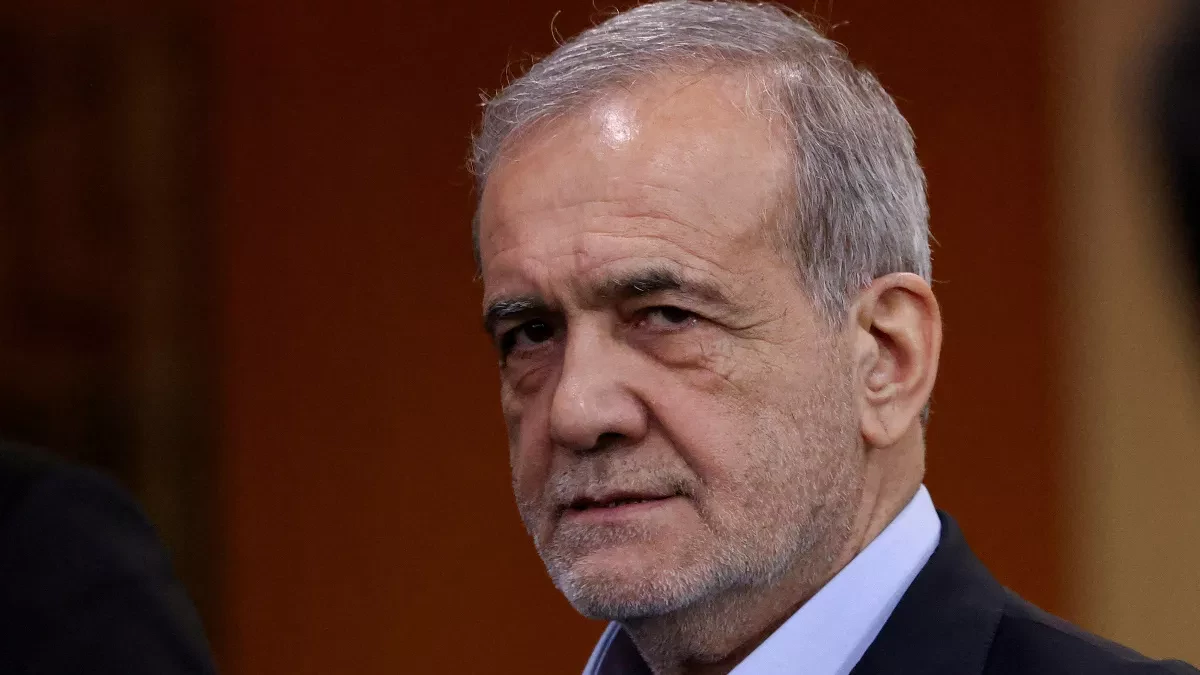
Meanwhile, Pakistan's Prime Minister Shehbaz Sharif spoke with Iranian President Masoud Pezeshkian, pledging cooperation for regional peace. Nevertheless, Iranian officials continue to deny direct negotiations.
Regarding Israel, Prime Minister Benjamin Netanyahu indicated that while he received signals that an agreement with the US was possible, military operations against Iran and in Lebanon would continue for the security of his country. According to him, the current military posture could potentially be converted into a diplomatic opportunity.
On Tuesday morning, Iranian state media reported new missile attacks on Israel. While some structures in northern Israel were reportedly damaged, no human casualties were reported. Conversely, reports emerged of continuous Israeli airstrikes in South Beirut, Lebanon.
Previously, Trump had threatened to attack Iran's energy infrastructure, but analysts suggest he backed down due to the risk of potential retaliation. Concerns are growing about severe impacts on the global economy if regional energy supplies and passage through vital waterways are disrupted.
Instability has been seen in global markets after Iran affected oil supplies through the Strait of Hormuz. The head of the International Energy Agency warned that a prolonged situation could lead to an historic energy crisis. With oil prices currently at a high point, Trump's negotiation claims appear to have offered some relief.
As the conflict expands, Israel's ground operations in Lebanon have also intensified. Israel has increased action against Iran-backed Hezbollah, affecting thousands of people. According to available reports, thousands have lost their lives in the conflict, but independent verification of facts remains difficult.
This specific news has been automatically translated by AI. As a result, there may be some inaccuracies or language errors.
_HSVUbGHJpC.jpg)