Provincial Leaders Express Alarm Over Federalism Amidst New Government Formation


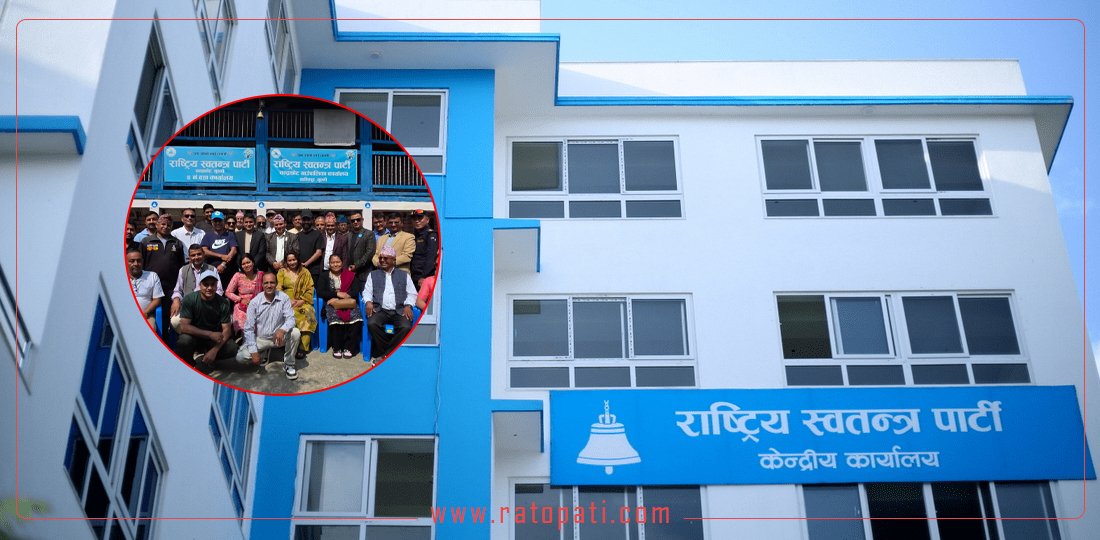
Pokhara. The Rastriya Swatantra Party (RSP) secured nearly a two-thirds majority in the House of Representatives election held on Falgun 21. Prior to the election, RSP leaders had made statements regarding the abolition of the Provincial Assembly.
The RSP's election manifesto announced a commitment to prepare a discussion paper for reforming the provincial structure through constitutional amendment within three months of government formation. RSP Vice Chairman Dr. Swarnim Wagle has publicly advocated for abolishing the Provincial Assembly and entrusting lawmaking powers to the chiefs and deputy chiefs of local levels.
The government is now being formed under Article 76 (1) of the Constitution. This is the first time a majority government from a single party has been formed since the promulgation of the Constitution. As the RSP prepares to join the government, which carries the agenda of reforming the Provincial Assembly following the political developments in the federal structure after the Falgun 21 election, there is growing apprehension among leaders at the provincial level that federalism might be undermined.
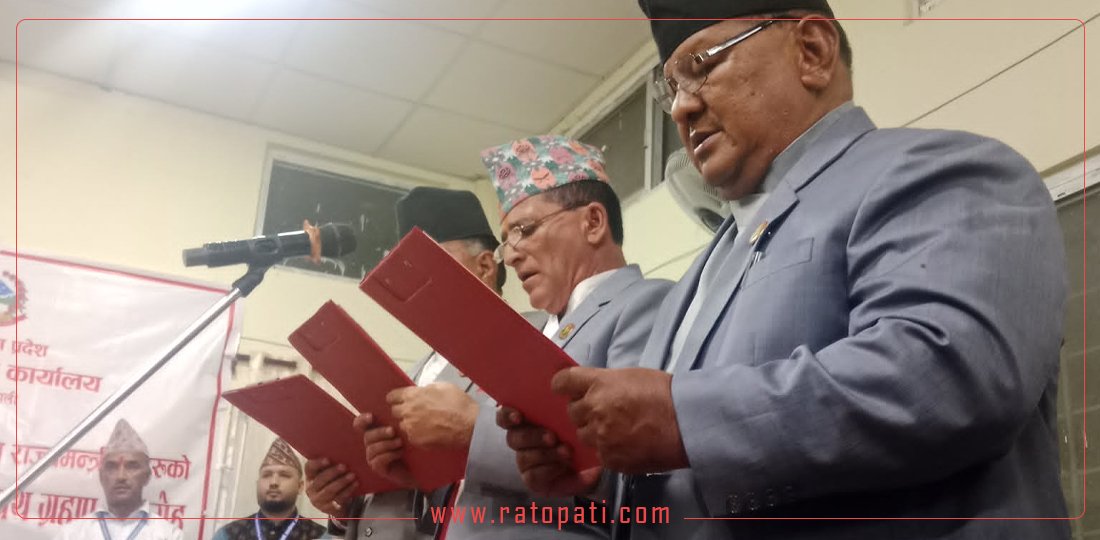
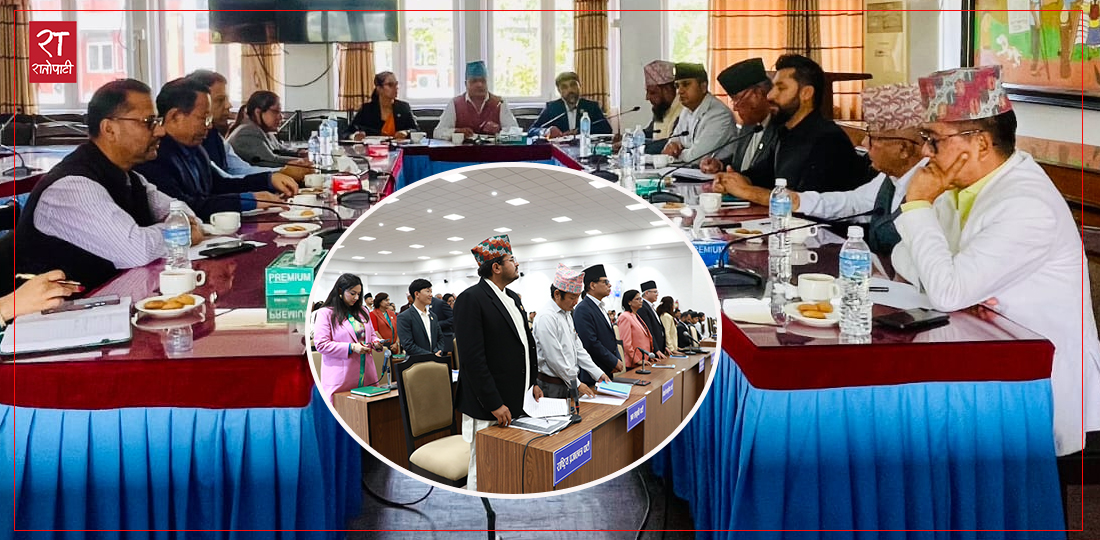
Addressing the winter session of the Gandaki Provincial Assembly, party leaders emphasized the need to play an interventionist role with the center to preserve the spirit of federalism. CPN-UML's Parliamentary Party Leader and former Chief Minister Khagaraj Adhikari stated that the province is an autonomous and constitutional body, not a small unit running on the center's grants and favor. "A province is an autonomous and constitutional body. It is not a unit that runs on the center's grants and favor," he said. "The province cannot function under a style where the cabinet or the Ministry of Finance dictates 'eat this, don't eat that' just because someone feels like it."
He added that any attempt by the center to control provincial rights would be an anti-federalist move. "The province saved citizens' lives during COVID, not just the center. Therefore, we must answer those who question the relevance of the province through our work," Adhikari added.
CPN (Maoist Centre)'s Parliamentary Party Leader Haribahadur Chuman admitted that the weaknesses of traditional parties have empowered forces against provincialism. However, he argued that everyone must work to strengthen the province through self-criticism.
"We failed to practice democracy correctly and failed to meet the expectations of the people. As a by-product of that, populism has been born today," he said. "This is attacking federalism and the achievements made. Our rejection means our working style was wrong; now we must self-criticize and strengthen the province." He claimed that the center's delays in staffing mechanisms and lawmaking have set the province back.
Nepali Congress lawmaker and former Minister Mahendra Dhwaj GC stated that recent political maneuvers have increased concern about the future of federalism. "Today, we are experiencing that impossible things can become possible in politics. Looking at the changes at the federal level and the perspective towards the provinces, the center seems unwilling to accept the very existence of the provinces," he said. "Our development files are held up at the center in the name of national parks and international treaties; this is outright neglect of the province."
GC also expressed dissatisfaction that the Provincial Assembly and government have failed to strongly raise their concerns with the center regarding their rights. Following the election results, pressure has mounted on the RSP at the federal level to implement its agenda of abolishing the Provincial Assembly and having an directly elected executive. Leaders at the provincial level stated that the rights granted to the provinces for the implementation of federalism are insufficient. They argue that federalism cannot succeed unless provinces are given autonomy, especially in employee administration and security mechanism mobilization.
This specific news has been automatically translated by AI. As a result, there may be some inaccuracies or language errors.