Internal Strife Erupts in Nepali Congress and CPN-UML Following Election Defeats


Kathmandu. Following their defeat in the House of Representatives elections held on Falgun 21, internal conflicts have intensified within the two major parties from the previous parliament, the Nepali Congress and CPN-UML. Although the Nepali Congress installed new leadership through a special general convention after the Janajagaran movement, and CPN-UML brought KP Sharma Oli back for a third term through the 11th General Convention, neither achieved the expected results in the elections. Currently, leaders within both parties are blaming each other.
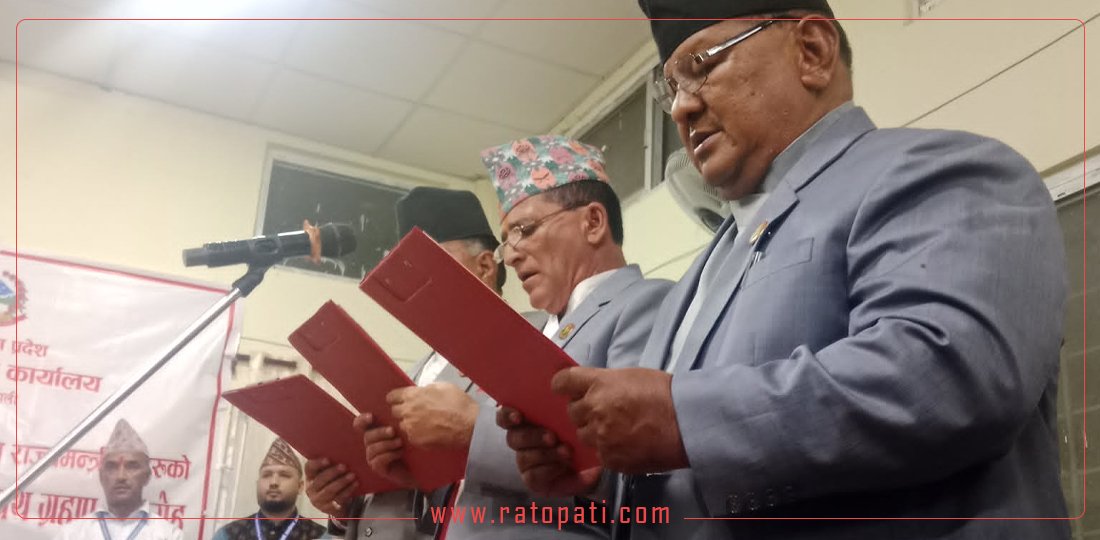
Nepali Congress General Convention delegates changed the leadership through a special general convention at the end of Poush, amidst opposition from the then establishment faction. Despite facing legal challenges from former President Sher Bahadur Deuba, acting President Purna Bahadur Khadka, and the faction known as 'Itar Samuha' led by Shekhar Koirala, under the slogan 'Change Congress, Change the Country,' the new leadership went into the House of Representatives elections. However, the results clearly showed that voters did not trust their slogan. According to the new mandate, the Congress not only dropped from the first to the second largest party in parliament, but the gap between the first and second parties widened significantly.
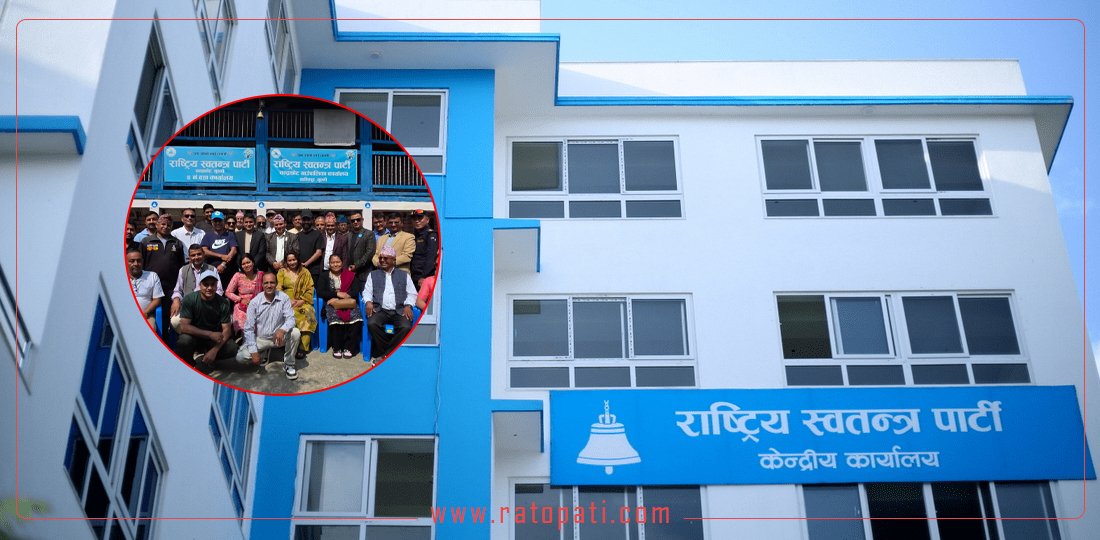
The Congress, which was the largest party in parliament in the previous (2079 BS) election with 88 members of parliament, has been limited to second place this time with 38 members. In contrast, the Rastriya Swatantra Party, which was only the fourth largest party in the previous election, has emerged as the largest party by winning 182 seats (close to a two-thirds majority).
Congress lost 50 seats in the House of Representatives in this election. While the case filed by the Deuba-Koirala faction of Congress in the Supreme Court is still pending, that faction is also preparing to carry out parallel activities. The preparation by the Deuba-Koirala faction to call a separate Central Committee meeting while the Congress Central Committee meeting is ongoing in Sanepa confirms the extent of internal turmoil within the Congress. Furthermore, while the Gagan Thapa faction analyzes that the Deuba-Koirala faction played a role in defeating their own party candidates during the election, the Deuba-Koirala faction attributes the outcome to the impact of the leadership change just before the election.
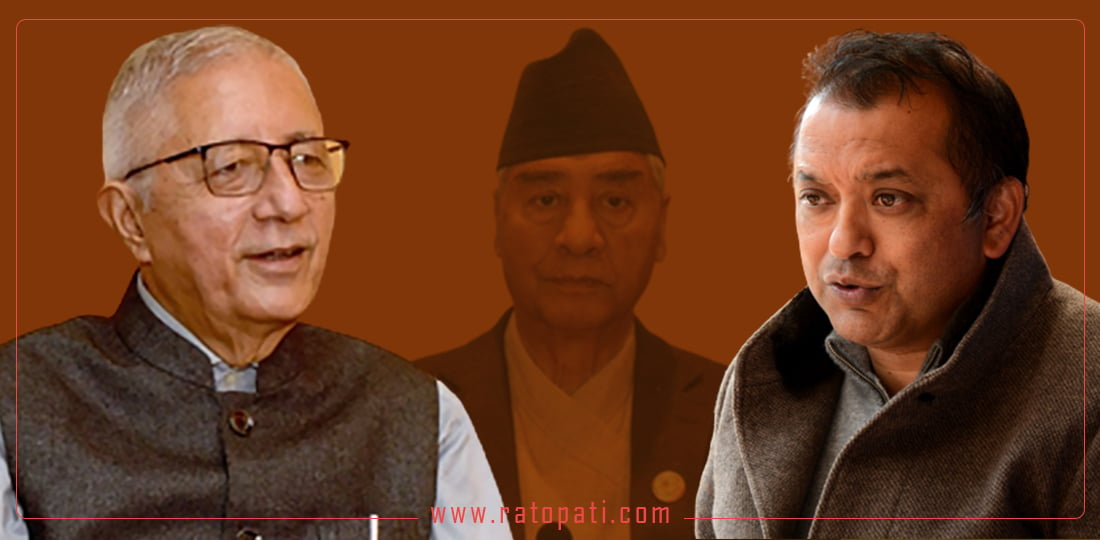
At the Congress meeting that began on Friday, the Deuba faction is labeling the resignation of President Gagan Thapa and the statements by leaders who rejected the resignation as 'stunts' and 'drama.'
The current leadership of the Congress has concluded that the party suffered defeat in at least 21 constituencies due to internal sabotage within the party during the election. Congress Spokesperson Devraj Ghimire stated that internal sabotage was the main reason for losses in areas where the margin was less than 5,000 votes.
"We are deeply discussing how our traditional votes were transferred in the context of the election. We are looking very seriously at whether this vote migration is just 'migration' or if the 'mindset' itself has migrated," said Spokesperson Chalise. "Our conclusion is that internal reasons were primary in places where we lost by less than 5,000 votes. This happened in 20 or 21 constituencies."
Moreover, in the election review report presented by Vice President Bishwa Prakash Sharma at the Central Committee meeting, the new leadership selected after the special general convention was defended, while the shortcomings of the old leadership were largely blamed. Sharma's report pointed to dissatisfaction expressed by the public in three installments since 2079 BS as the reason for Congress not receiving votes.
"...Having wasted three to three and a half years initially, and then 125 days at the end, we are now seeking accountability. Why did the result not come in our favor in the mere 50 days remaining after the special general convention? This question is directly dismissible," the report by Vice President Sharma stated.
The other party, CPN-UML, hastily held its general convention ahead of schedule last Mangsir and brought the familiar face KP Sharma Oli back to leadership before the election. The electoral results confirmed that voters were also displeased with CPN-UML, which had created a narrative that there was no alternative to Oli. CPN-UML, which won 78 seats in the House of Representatives and was the frontrunner in proportional representation votes in the previous election, was forced to lose 53 seats this time, being limited to 25, and also slipped to the third position in proportional representation votes.
Congress is reviewing such unexpected election results by calling a Central Committee meeting. CPN-UML, however, has not been able to hold a formal review meeting as Chairman Oli is in mourning for his father. Nevertheless, accusations and counter-accusations regarding the election results are ongoing among CPN-UML's top leaders and even its cadres.
While some CPN-UML leaders are raising voices for policy and leadership restructuring, arguing that the leadership's working style was the cause of the electoral defeat, others are attacking such voices on social media. CPN-UML leaders, whether Shankar Pokharel, Yogesh Bhattarai, Surendra Pandey, or Gokul Baskota, are engaged in a war of words for and against Chairman Oli.
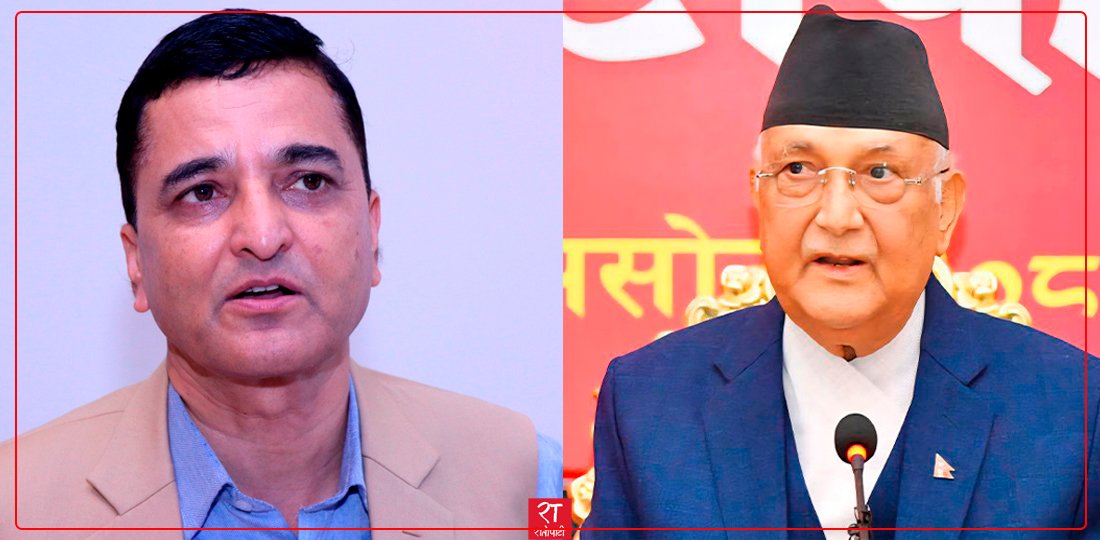
Leader Pandey explicitly stated on Saturday that CPN-UML cannot be saved from crisis unless all party structures and working styles are changed.
"Those in leadership and responsibility must be ready to accept shortcomings and change," Pandey said. "The party is at a decisive juncture, facing a situation of either correcting itself or perishing."
Pandey further states that if CPN-UML does not reform according to the times, it will only secure enough seats to fit on a scooter in the next election.
Recalling the past, Pandey said, "In 2074 BS, we celebrated a victory by winning nearly 174 seats, but we could not retain it." Pandey says, "CPN-UML (Communists) used to arrive in 3 or 4 buses; in the 2079 election, we came in one bus, now we fit in a microbus, and next time we will only have seats enough for a scooter," Pandey concludes.
This specific news has been automatically translated by AI. As a result, there may be some inaccuracies or language errors.