Nepali Congress Leaders Cite Various Reasons for Electoral Defeat in Central Committee Meeting


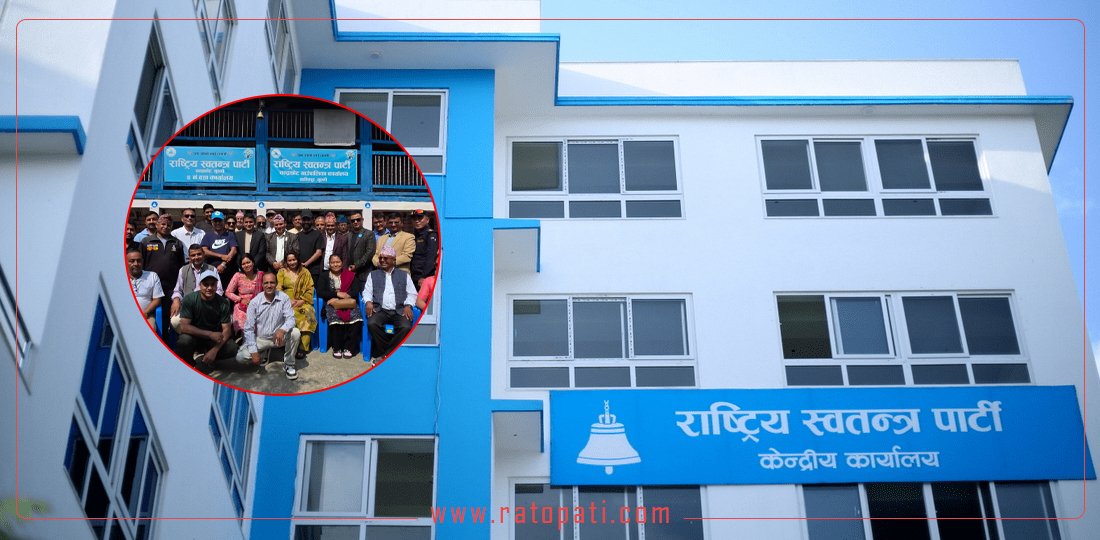
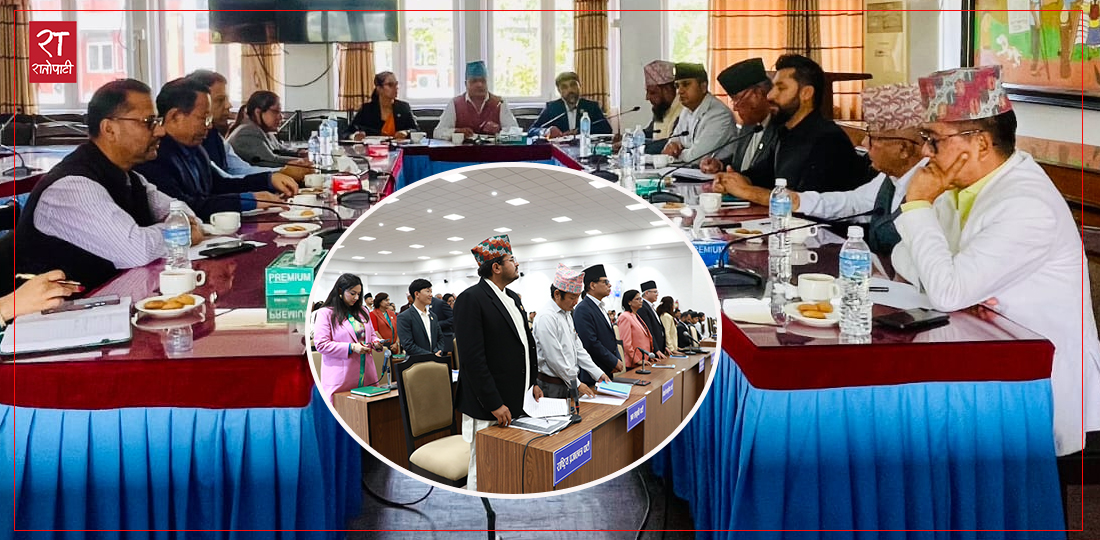
Kathmandu. Central committee members of the Nepali Congress have presented various arguments regarding the defeat the party suffered in the elections held on Falgun 21. Members cited diverse reasons for the defeat during the central working committee meeting, which has been ongoing at the party's central office since Friday.
Speaking at the meeting, Central Committee member Jagat Joshi stated that the defeat occurred because a video made public by the BBC just before the election negatively influenced the public's perception. He told the central committee, 'The video published by the BBC regarding the Gen-Z movement just before the election negatively affected the Congress. We suffered defeat because it influenced the public's mind against the party.'
Another Central Committee member, Binita Khadka, attributed the party's defeat to videos showing money burning at the homes of leaders during the Gen-Z movement. 'When we went to people's homes during election campaigning, they brought up the issue of money burning at the homes of party leaders. That had a negative impact on the party's image, and votes did not come,' Khadka said at the central committee meeting.

Videos showing money burning at the residence of then-President Sher Bahadur Deuba in Budhanilkantha and at the home of Deepak Khadka, who was the Energy Minister in the then-K.P. Sharma Oli-led government, were made public during the Gen-Z movement.
Central Committee member Shambhu Budhathoki stated that the defeat occurred because leaders who had repeatedly benefited from being elected as MPs on behalf of the party did not cooperate in the election. 'Former MPs, former ministers, and leaders who became Prime Minister five times, who repeatedly benefited from the party, remained 'silent' during the election, which caused the party to suffer defeat,' Budhathoki said at the meeting. 'Action must be taken against those who commit wrongdoings against the party. If action is not taken, they should be honored.'
Central Committee member Prem Bahadur Khadka stated that although the resignation of President Gagan Thapa was correct according to the statute, the working committee should reject it. He mentioned that the reasons for the electoral defeat included negative propaganda, past alliances, and disputes over active membership.
Another Central Committee member, Bijay Swar, said that although President Thapa resigned on moral grounds, the working committee should reject it.
Central Committee member Prakash Pantha stated that the party's active members did not vote for the party's candidates. He said, 'The party's active members did not vote for the party's candidates. They publicly stated they would change their votes.' Pantha also noted that the culture of past alliances caused problems for the party.
Central Committee member Basanta Bhattarai stated that ticket distribution over five days meant insufficient preparation, which affected the election. He also mentioned that the party lost the election because the public was fed up with the corruption and misgovernance during the alliance government.
After the Gandaki Provincial Assembly, Shukhraj Sharma presented the past example that those who lead the movement win the election, stating that they are democratic and will never lose an election.
Central Committee member Bajrang Nepali stated that although the atmosphere during the election was in favor of the party, the defeat occurred because the party's active members did not vote.
General Secretary Pradeep Paudel informed Ratopati that 45 people had given their opinions by Sunday. Twenty-four central committee members gave their opinions in Friday's meeting.
The agenda for the central committee meeting includes an initial review of the election and discussion on President Thapa's resignation. During the meeting, chaired by Vice President Bishwaprakash Sharma, Sharma presented a 14-page report on the initial election review. Members are currently giving their opinions focused on that report.
This specific news has been automatically translated by AI. As a result, there may be some inaccuracies or language errors.