Nepali Congress Leader Kalyan Gurung Offers 10 Suggestions to New Government Targeting Terai Region

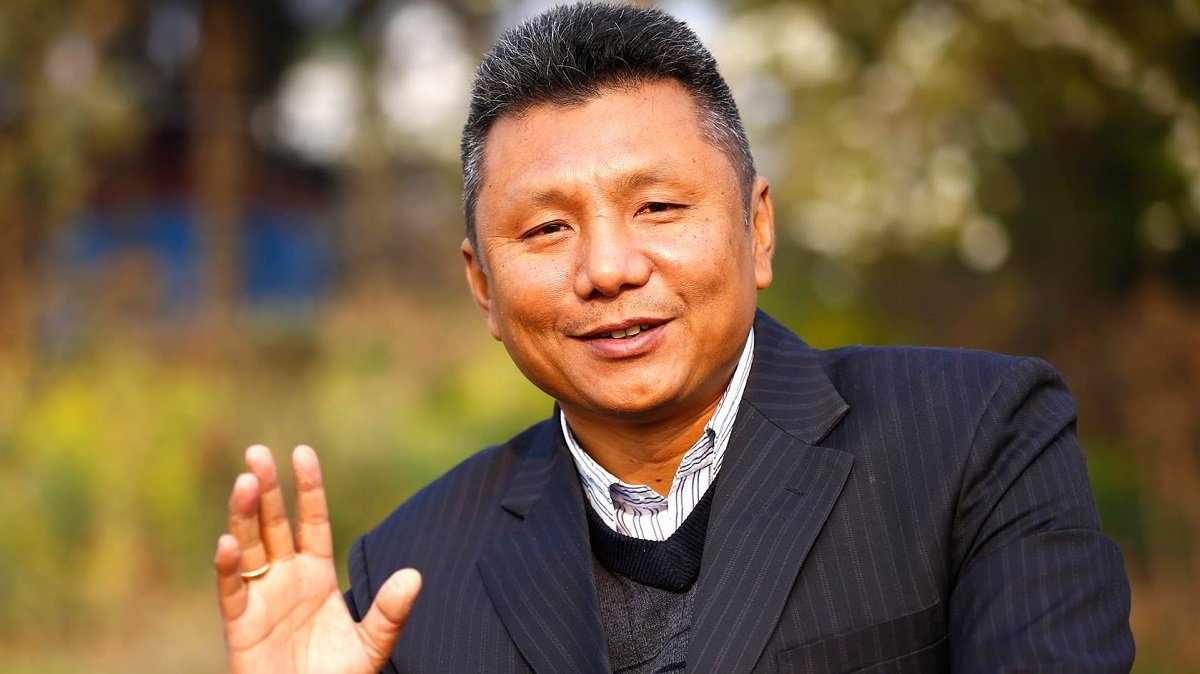
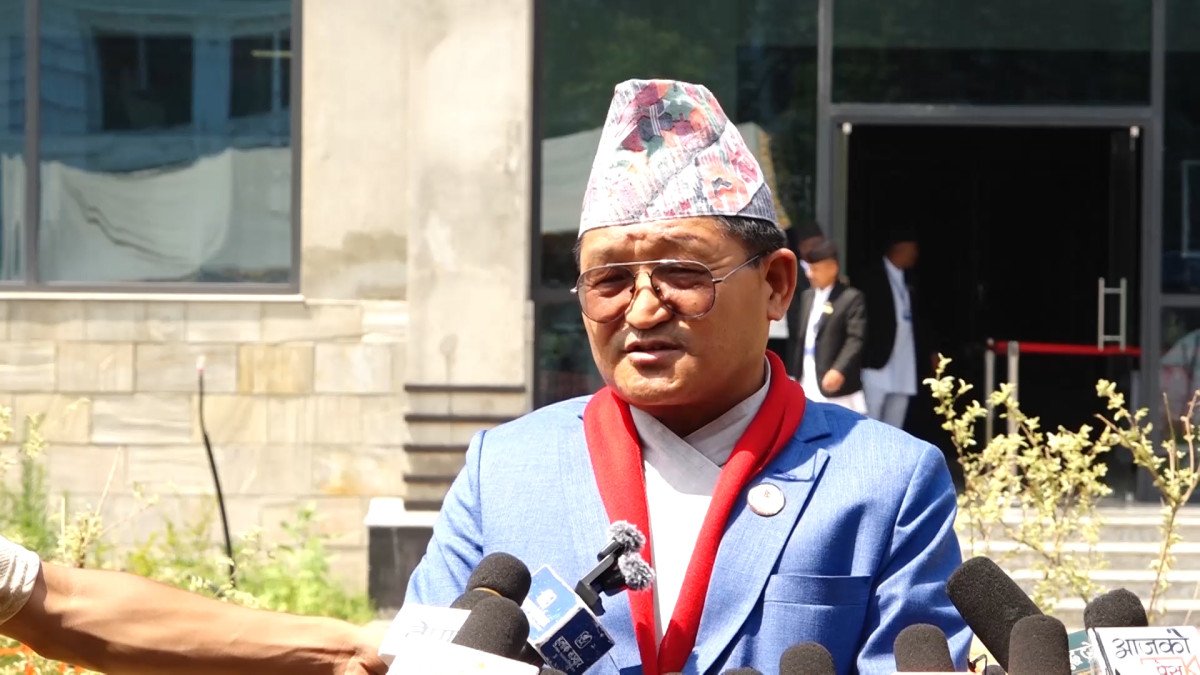
Kathmandu. Nepali Congress leader Kalyan Gurung has offered 10 suggestions to the government to be formed after the new mandate. He presented these suggestions targeting the work that needs to be done in the Terai region.
He mentioned that the new government and parliament need to prevent the Terai from becoming a desert in the long run.
He stated: 'The impact of environment and climate change is long-term. The impact of environment and climate change is global. All regions, such as the Himalayas, hills, Terai, and oceans, are affected by its impact.'
Here are Gurung's 10 suggestions:
1, If there is no snow in the Hindukush Himalayan ranges, the possibility of the Terai becoming a desert in the long run may become strong.
2, If there is no snow in the Himalayas and the glaciers are not conserved, the possibility of the Terai becoming a desert in the long run may become strong.
3, If there is no rain in the hills and no greenery, the possibility of the Terai becoming a desert in the long run may become strong.
4, If there is no forest in the Chure region, if there is excessive landslide in the Chure region, if dense settlements are established in the Chure region, if concrete and plastic usage increases significantly in the Chure region, and if the Chure region is not conserved, the possibility of the Terai becoming a desert in the long run may become strong.
5, If dense settlements are established in the Bhabar region, if water sources dry up in the Bhabar region, if concrete and plastic works increase significantly in the Bhabar region, and if soil ponds for water recharge are not constructed in the Bhabar region, the possibility of the Terai becoming a desert in the long run may become strong.
6, If deep boring is used excessively in the Terai, if forests are destroyed in the Terai, if greenery is not achieved through afforestation in the Terai, if water recharge ponds are not constructed in the Terai, and if plastic is used indiscriminately in large quantities in the Terai, the possibility of the Terai becoming a desert in the long run may become strong.
7, If water sources including rivers, streams, wetlands, ponds, wells, tube wells, and springs in the Terai are not conserved and connected, and if strong and wide embankments are not built on both sides of rivers and streams, and if floods are not controlled, the possibility of the Terai becoming a desert in the long run may become strong.
8, If there is indiscriminate, uncontrolled, and illegal excavation of rivers and streams, if stones, gravel, and sand are extracted uncontrollably from rivers and streams, if waste such as plastic and chemical substances are dumped indiscriminately into rivers and streams, and if uncontrolled settlements and buildings start being constructed on the banks of rivers and streams, the possibility of the Terai becoming a desert in the long run may become strong.
9, Budget must be allocated and work started to operate surface irrigation and drinking water projects in the Terai. If surface irrigation and drinking water projects are not operated immediately in the Terai, the possibility of the Terai becoming a desert in the long run may become strong.
10, If the use of technologies to reduce smoke emitted from industries is not made mandatory, if the discharge of chemical substances from industries into rivers and streams is not strictly prohibited, and if the dumping of industrial waste into rivers and streams is not immediately and mandatorily stopped, the possibility of the Terai becoming a desert in the long run may become strong.
This specific news has been automatically translated by AI. As a result, there may be some inaccuracies or language errors.