New Immunotherapy Offers Hope for Millions Suffering from Hay Fever and Allergic Rhinitis


This is a hope provided by a new method of immunotherapy. This method has not only revived an old treatment method in a new way but has also opened a new door of relief for millions of people.
Glenys Scadding still vividly remembers the first patient of her sublingual immunotherapy (treatment involving placing medicine under the tongue) 40 years ago. That patient was so debilitated by seasonal allergies, known as hay fever, that they could not walk to their local train station near their home without gasping for breath or sneezing.
Scadding's treatment involved administering drops of medicine under the tongue to make the patient resistant to the main allergen, birch pollen. In medical science, this is called desensitization, meaning making the body react less to a specific allergen.
Scadding says, ‘After some time, that patient came to my house carrying a case of wine because I had completely changed his life in the spring.’ Scadding currently serves as the Vice President of the non-profit organization Euphoria and an Honorary Consultant Allergist at University College Hospital London. However, at that time, this method faced much criticism and obstruction, forcing her to temporarily halt this treatment modality.
- The Depth of a Global Problem
Over 400 million people worldwide suffer from Allergic Rhinitis. This is inflammation in the nasal passages caused by the body's strong reaction against airborne allergens. This occurs when our immune system mistakenly identifies animal dander, dust mites, or pollen as harmful enemies to the body.
In response, the body shows symptoms such as a runny nose, itchy eyes, constant sneezing, and in severe cases, difficulty breathing. When this problem occurs during a specific season, especially due to pollen, it is called hay fever.
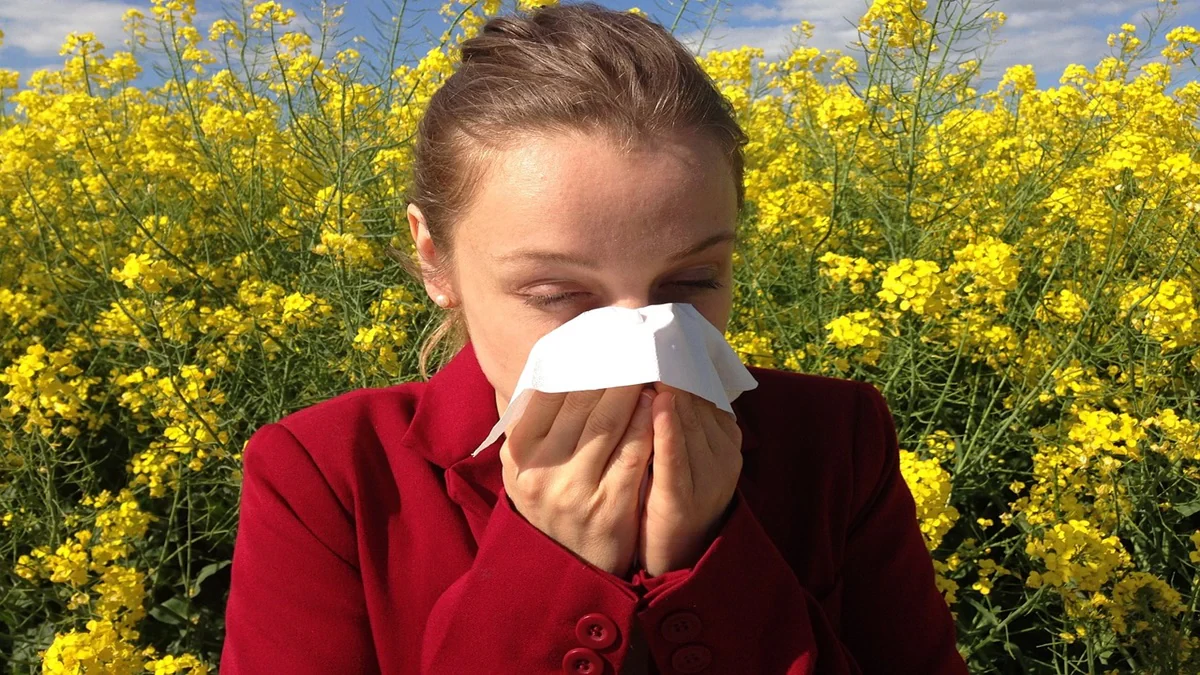
Hay fever not only degrades the quality of people's daily lives but also increases the risk of serious respiratory infections and asthma in the long term. Statistics show that one in four adults and one in eight children in the UK suffer from allergic rhinitis. This leads to over 160 million doctor visits annually. The situation is similar in the US and Australia. What is more concerning is that the prevalence of this condition is increasing over time in regions like Europe and America. Evidence suggests that the symptoms of hay fever are becoming more severe than before due to increased pollen production and changes in weather patterns caused by climate change.
However, according to allergy specialists, high-quality, effective, and safe treatments are now available. Most medications only suppress immediate symptoms. But Allergen Immunotherapy (AIT) is a method that can be considered a curative treatment. It teaches the body to react less to specific allergens and can stop the dangerous path from hay fever to asthma.
Nevertheless, not as many people are benefiting from it as should be. Scadding says, ‘Very few patients reach a specialist who can provide the correct treatment for their condition, and even if they do, they often don't seek it in the early stages when treatment is easier and less complex.’
- Serious Health Concern and Neglect
A major aspect of this problem is that healthcare professionals themselves do not always take allergic rhinitis seriously. Professor Stephen Durham of Imperial College London says, ‘General practitioners often advise patients to buy an antihistamine from the pharmacy instead of referring them to a specialist. They do not give much importance to long-term and preventive methods like immunotherapy.’
Durham adds, ‘Hay fever is a major problem that those who do not suffer from it often take lightly. But if we look at the three main aspects of our lives—work, sleep, and recreation—hay fever seriously affects all of them.’
Hay fever sufferers experience difficulty sleeping, waking up frequently at night, and feeling tired during the day. Studies have shown that seasonal allergies also negatively affect the academic performance of children. Furthermore, due to the constant swelling of the inner lining of the nose, these patients are twice as likely to suffer from respiratory infections compared to other people. If not treated correctly in time, it can lead to ear infections and chronic upper respiratory tract diseases.
Especially in children, hay fever can later cause asthma. In medicine, there is a concept called 'one airway, one disease.' This means that infections in the upper part of the nose and throat eventually affect the lungs and lower airways, leading to asthma.
- A Century-Old Problem and the Search for Its Solution
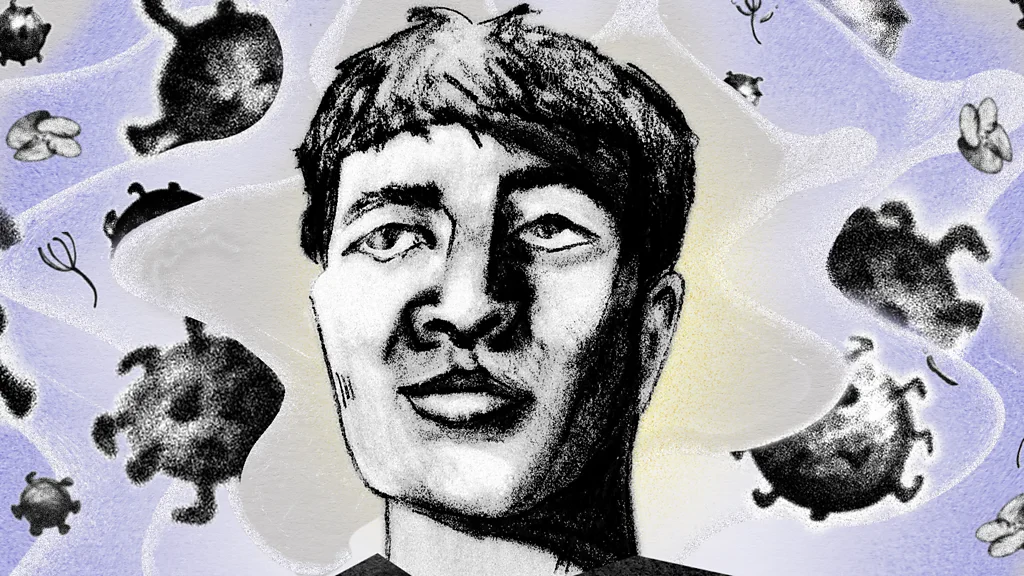
Although hay fever is increasing now, it is not a new disease. In 1828, London physician John Bostock extensively documented its symptoms based on his own experience and a study of 28 patients. He described the problems of a heavy head, blocked and stuffy nose, sneezing, and watery eyes.
Similarly, immunotherapy for allergies is not a new concept. As early as 1911, a doctor discovered that injecting grass pollen extract into a patient could reduce symptoms the following spring. The first scientific trials of this were conducted in the 1950s.
By the 1980s, it had become an established treatment. These allergy shots freed thousands of people from sneezing and pain. However, a serious problem emerged. Scadding says, ‘Injections of immunotherapy have sometimes even taken people's lives.’ This was due to a severe and immediate allergic reaction called Anaphylaxis.
Although such incidents are extremely rare, occurring about once in 2 to 2.5 million injections, regulations were tightened after 26 such deaths were recorded in the UK between 1957 and 1986. At that time, patients had to remain under a doctor's supervision for 2 hours after receiving the injection. Having to get injections weekly and wait for hours each time made this treatment very cumbersome.
Because of this issue, interest grew in the oral alternative that Scadding started exploring in the 1980s. This is called sublingual therapy, where allergen drops are placed under the tongue instead of using injections.
Initially, there were doubts about whether it would be as effective as injections, but trials have proven it to be extremely safe and effective. No deaths have occurred with this method so far, and severe adverse effects have been very rare. It spread globally after the World Health Organization (WHO) recognized it in 1998.
The main challenge of this treatment is consistency. Tablets or drops must be taken under the tongue daily, starting 8 to 16 weeks before the pollen season begins. Professor Durham states that starting 16 weeks in advance results in symptoms being fully controlled throughout the summer in about 85% of patients. If used continuously for three years, the disease can be cured for a long time.
- Long-Term Relief and Asthma Prevention
The most encouraging aspect is that the effect of this treatment lasts for many years. A study of over 1,000 people in Japan showed that symptoms remained improved even two years after stopping the treatment.
However, a limitation of sublingual therapy is that it is currently only available for a few specific allergies. The US FDA has currently approved it only for dust mites, ragweed, and grass pollen. If someone is allergic to tree pollen, they still have to rely on injections.
Nevertheless, statistics show that patients taking immunotherapy need to use fewer other medications later, and they are also less likely to develop diseases like pneumonia. More importantly, it can prevent the development of asthma in children. A study of 800 children showed that children taking medicine under the tongue had a 29% lower chance of developing asthma.
If someone already has severe asthma, immunotherapy can be risky for them. In such cases, a new class of drugs called biologics can be used, which stop the body's inflammation process itself. However, these drugs do not offer long-term solutions like immunotherapy and are very expensive (around £12,000 to £20,000 per year). In comparison, the cost of immunotherapy tablets is less than £1,000 per year.
- How to Choose Medication and Take Precautions?
For many patients, the high cost of treatment and the long course can be a problem. In such situations, other effective alternatives are also available:
1. Nasal Sprays: According to Scadding, sprays containing a combination of antihistamines and corticosteroids are very effective. These medications yield better results when used together than when used separately.
2. Correct Timing and Method: It is important to use the spray regularly and start using it before the season begins. Also, learning the correct way to spray is equally essential.
3. Antihistamine Pills: Oral antihistamines are not as potent as nasal sprays. But if taken orally, second-generation drugs like Cetirizine or Loratadine should be chosen. Older medications used to make people very drowsy and sleepy, which also increased the risk of traffic accidents.
Environmental Precautionary Measures:
Along with treatment, paying attention to some practical habits can reduce the impact of allergies:
- Keep windows closed during times of high pollen count.
- Use an air purifier indoors.
- Wear glasses and a mask when going outside.
Washing hands and face after returning home from outside, and if possible, showering and washing hair. This is very important because pollen stuck in the hair can transfer to the pillow and enter the body through breathing while sleeping at night.
It is unfortunate that many people still suffer despite such effective treatments being available. Dr. Durham says, ‘We have many effective treatments, but the main problem is taking it lightly and not trying to understand the correct treatment method.’
If we seek advice from the right specialist at the right time and adopt immunotherapy or other preventive measures, it is possible to live a healthy and active life free from the distressing problem of allergies.
This specific news has been automatically translated by AI. As a result, there may be some inaccuracies or language errors.