Nepalis Stranded by West Asia Tensions Resume Journeys as Situation Eases


Nepali citizens who were stranded in various countries after being unable to reach their destinations due to escalating tensions in the West Asia region have started moving towards their final destinations as the situation has somewhat stabilized.
Initially, the most significant issues were observed in Doha, Dubai, Jeddah, and Kuwait City. However, as air links have resumed, albeit in limited capacity, in Doha and Dubai, all Nepalis in transit in these two locations have departed for their destinations.
The Ministry of Foreign Affairs stated that 52 Nepali Hajj pilgrims who faced difficulties in Jeddah returned on Chaitra 5. Furthermore, the Ministry mentioned that coordination was made for the remaining 33 out of the initial 52 Nepalis facing issues in Kuwait City to obtain Saudi Arabian visas and proceed to their destinations on Chaitra 4.
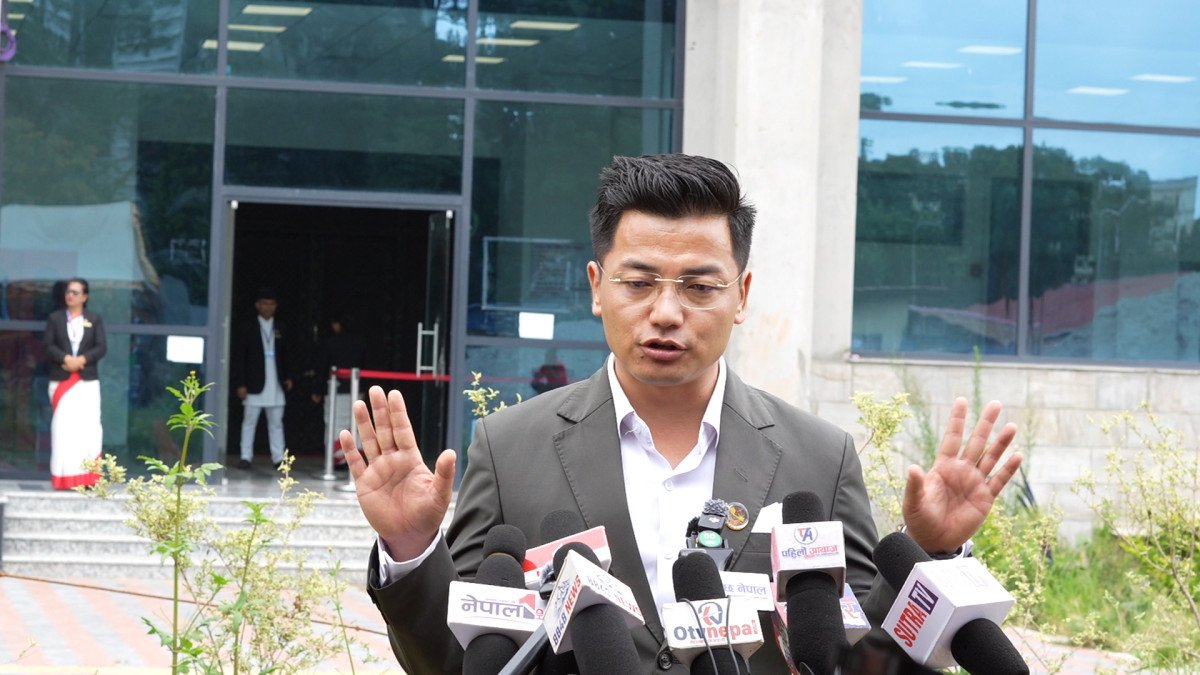
The Ministry provided an update on the latest situation in the region and the initiatives taken for the safety and support of Nepalis there during a press conference on Friday. It has been 21 days since the West Asia tensions began. Although various efforts are underway to de-escalate the tension, drone and missile attacks targeting Gulf Cooperation Council (GCC) member states appear to be ongoing.
Ministry spokesperson Lok Bahadur Chhetri Poudel, while briefing on the overall situation in West Asia and the safety of Nepalis, stated that one Nepali has died and 20 Nepalis sustained minor injuries in the UAE so far.
“Except for one injured person, all others have returned home after treatment. The Nepali currently in the hospital is also out of danger,” he said, adding, “Apart from these incidents, all Nepalis residing in all countries in that region are safe.”
The Ministry has formed an Emergency Response Team, comprising representatives from various bodies, chaired by the Secretary, and its third meeting has also been concluded. Additionally, the Emergency Control Room established at the Ministry is operational 24 hours a day.
Spokesperson Chhetri stated that the number of Nepalis who filled out the online form opened by the Ministry's Consular Services Department for information, coordination, and potential rescue, reached 82,100 as of Friday.
Seven Nepalis Arrested for Posting Fear-Mongering Photos/Videos on Social Media
Similarly, seven Nepalis were arrested for creating and sharing content, including photos and videos, intended to spread fear or panic. “It is the duty and responsibility of everyone to fully comply with the security rules and regulations issued by the government of the country where they reside during times of crisis,” he said. “Advisories and directives issued in the current adverse situation are legally binding, and violations can lead to severe legal actions, including heavy fines, imprisonment, and deportation.”
Nepal issued a press statement on March 1, urging conflicting parties to refrain from escalating tensions, exercise maximum restraint, adhere to international law, focus on the safety of civilians and civilian infrastructure, and respect international humanitarian law. Furthermore, the Ministry reported that the Emergency Control Room has received 170 contacts through 78 calls so far, with most issues related to security and labor permits.
Ramakaji Khadka, Chief of the Ministry's Central Asia, West Asia, and Africa Division, informed that hotlines have also been established in all ten Nepali missions abroad, where they are collecting details of Nepalis in trouble and coordinating efforts.
“We are seeing a gradual decrease in the number of people contacting the online system, missions, and the control room here stating, 'I am unsafe,'” he said. “The control room received no contacts (calls, messages, or emails) today, whereas yesterday, Thursday, only seven calls or messages were received.” He also mentioned that the re-issuance of labor permits has been implemented as per the decisions of the third meeting of the Emergency Response Team.
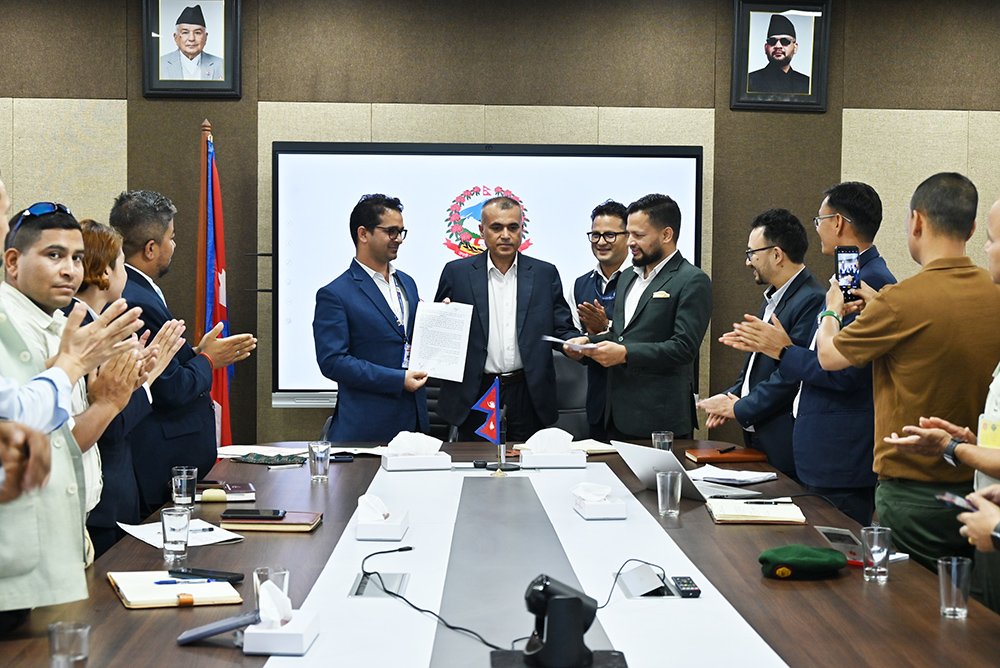
Moreover, the Ministry announced that it is in the process of migrating from the current passport system to a new system. Director General of the Department of Passports, Tirtharaj Aryal, provided information regarding the implementation plan for the new passport system.
This specific news has been automatically translated by AI. As a result, there may be some inaccuracies or language errors.
_iL3K2wYemS.jpg)