Nepal's Election Commission to Submit Final Results to President, Paving Way for New Government Formation


The final results of the House of Representatives election held on Falgun 21 have been announced. The Election Commission is set to submit the election results report to President Ramchandra Paudel today.
Once the report containing the election results is submitted to the President, the country will move forward with the process of forming a new government. In the total 275-member House of Representatives, comprising 165 members from the First-Past-the-Post (FPTP) system and 110 from the Proportional Representation (PR) system, approximately two-thirds (182 MPs) have been elected from the Rastriya Swatantra Party (RSP).
The RSP has secured 125 seats through FPTP and 57 through PR. The Nepali Congress has secured 38 seats, the CPN (UML) has 25, the CPN has 17, the Shram Sanskriti Party has seven, the Rastriya Prajatantra Party has five, and one independent candidate has been elected.
Article 76 of the Constitution of Nepal contains provisions regarding the formation of the Council of Ministers. Article 76 (1) states, 'The President shall appoint the leader of the parliamentary party commanding a majority in the House of Representatives as the Prime Minister, and the Council of Ministers shall be formed under their leadership.'
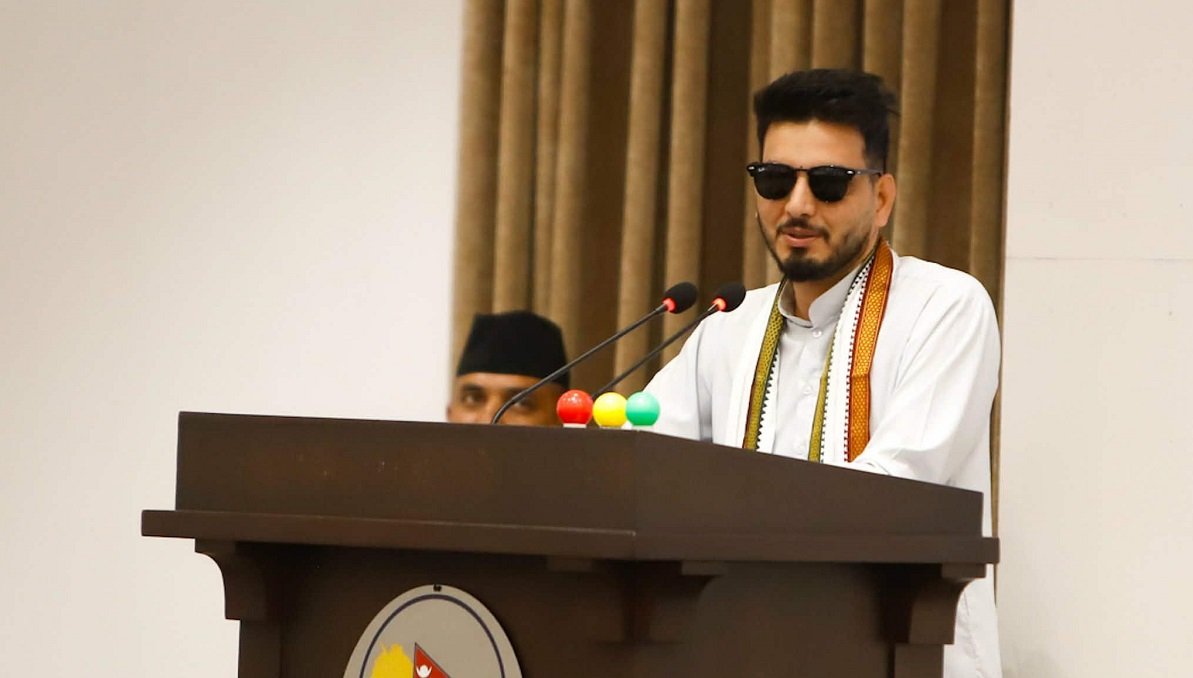
The Rastriya Swatantra Party had entered the election campaigning by putting forward senior leader Balendra Shah as a candidate for Prime Minister. However, there is a constitutional requirement to be a member of the House of Representatives and the leader of the parliamentary party to be appointed Prime Minister. The RSP is preparing to put forward senior leader Shah as the parliamentary party leader.
Legal experts state that since the RSP alone commands nearly a two-thirds majority in the parliament, the leader of the parliamentary party will be appointed Prime Minister according to Article 76 (1) of the Constitution.
There is a legal provision for the eldest member of the House of Representatives to take the oath before the President, and the eldest member administers the oath to the other members.
Constitutional law expert Dr. Khimalal Devkota stated, 'After the oath of the MPs, the leader of the parliamentary party is selected, and then the President appoints the leader of the parliamentary party commanding a majority in the parliament as the Prime Minister according to the constitutional provision. Following that, the Prime Minister expands the Council of Ministers.'
This is the first time since the promulgation of the Constitution of Nepal that the leader of a parliamentary party representing a single party with an absolute majority is being appointed Prime Minister under Article 76 (1).
Dr. Devkota further explained, 'If a single party does not secure a majority, the President calls for the formation of a coalition government of two or more parties under Article 76 (2). We do not need to go to that stage now; the President will appoint the leader of the parliamentary party commanding a majority under 76 (1) as the Prime Minister.'
The Federal Parliament Secretariat is preparing to administer the oath of office and secrecy to the newly elected members of parliament on Chaitra 12. The Secretariat is holding an informal discussion today with representatives from six political parties. The discussion will cover the oath-taking of MPs, orientation, and the parliamentary party matters.
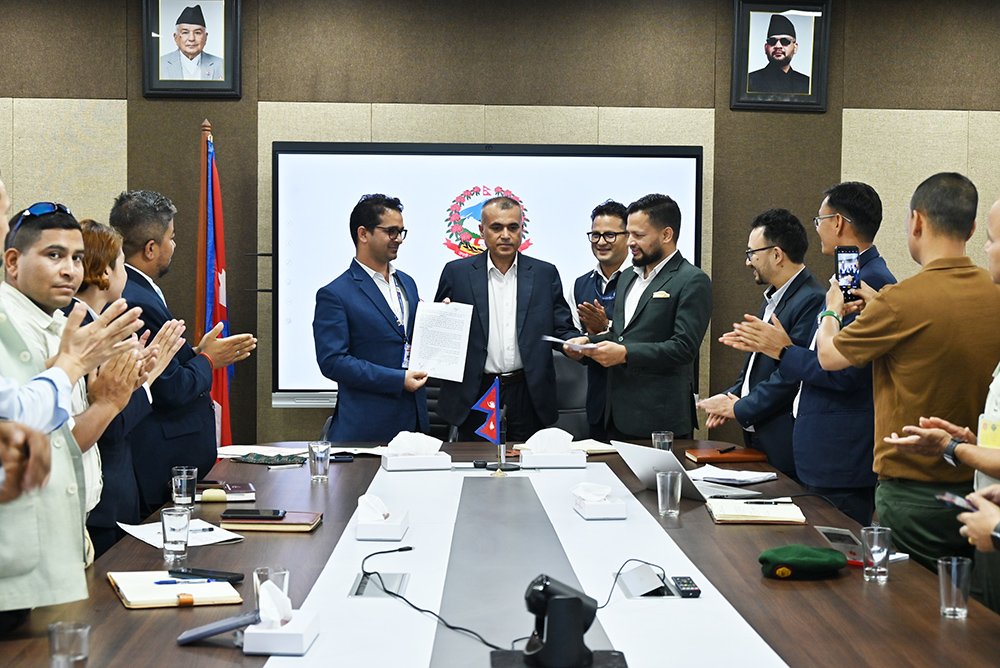
The Election Commission is required by law to submit its report to the President within seven days of the publication of the election results. Today, the Commission provided certificates of election to the 110 MPs elected under the Proportional Representation system.
Dr. Devkota mentioned that there is a legal provision for the President to summon the session of the House of Representatives within 30 days of the completion of the election. Article 93 (1) of the Constitution states, 'The President shall summon a session of the Federal Parliament within thirty days from the date of declaration of the final results of the election held for the House of Representatives. Thereafter, the President shall summon sessions of either or both houses of the Federal Parliament from time to time in accordance with this Constitution.'
The first meeting of the Parliament will be chaired by the eldest member, and the process for electing the Speaker and Deputy Speaker will commence within seven days. The next parliamentary session will take place in the new Parliament building currently under construction in Singha Durbar.
This specific news has been automatically translated by AI. As a result, there may be some inaccuracies or language errors.
_iL3K2wYemS.jpg)