Rising Invalid Votes in Madhesh Province Linked to Low Female Literacy, Experts Say

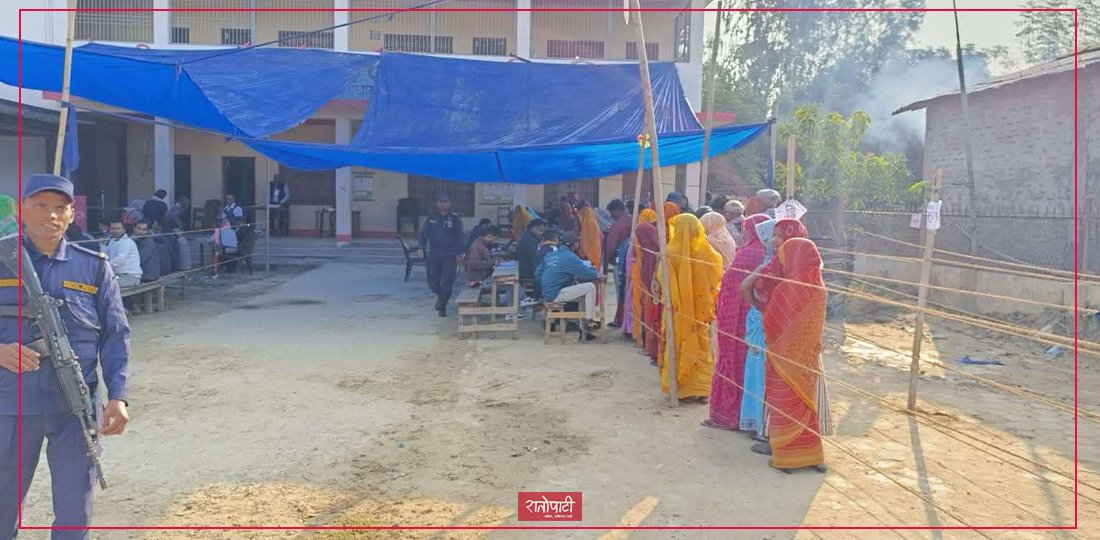
Although the literacy rate in the country is increasing, the rising number of invalid votes in elections is a matter of concern. Madhesh Province is leading in this regard. The weak literacy rate in Madhesh is also affecting the elections. Especially due to a lack of voter education among women, the percentage of invalid votes has consistently remained high compared to other provinces.
Despite the government spending millions of rupees on voter education for elections, the invalid votes are increasing instead of decreasing.
Based on statistics, the percentage of invalid votes in Madhesh was higher compared to other provinces in the 2074 BS and previous elections. In the 2079 BS election, the invalid vote rate in Madhesh Province was 5.46 percent, with women being responsible for a higher number of invalid votes.
The main reason for this is that female literacy in Madhesh Province is the lowest at 54.70 percent. Although the male literacy rate is higher than that of women, Madhesh Province is the only province that has not yet been declared fully literate.
Priority in Policy, Neglect in Practice
Education is always prioritized in the election manifestos and commitments of every Terai-Madhesh-centric party, but concrete improvements have never been made. Based on the National Census 2078, the literacy rate in Madhesh Province is only 49.72 percent. Looking at the literacy situation, there is a huge gap between men and women in Madhesh Province. The Madhesh government has also failed to bridge this gap, even though Madhesi parties have had the opportunity to lead the Ministry of Education multiple times since 2064 BS. Even after the province was established in 2074 BS, the state of education remains the same.
According to the economic survey of the Madhesh government, 63.53 percent of the population in the province is literate. However, the female literacy rate is significantly lower than that of men. Among the literate population, 72.45 percent are men and only 54.70 percent are women. Parsa district has the highest literacy rate in Madhesh Province, while Rautahat (57.75 percent) has the lowest.
The government's policy shows a special emphasis on women's education. Although the policy does not appear weak anywhere, the dire state of female literacy is due to the very weak implementation. The Children Act, 2075, and the Compulsory and Free Education Act, 2075, also mandate free education. There is a legal provision for every child to receive education up to the secondary level in their mother tongue. Despite so many acts, laws, policies, and directives, the main reason for the low education and literacy rate in Madhesh is the management there.
Lack of Voter Education
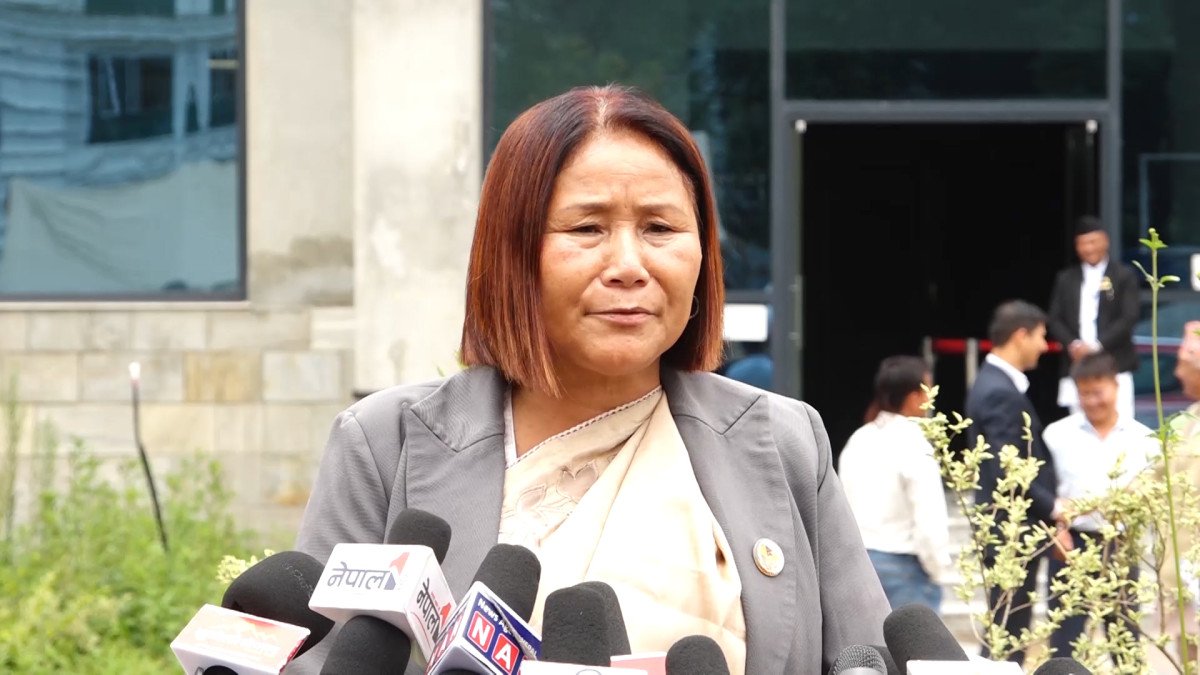
Renu Yadav (Siraha), a leader of the Janata Samajbadi Party Nepal, stated that the main reasons for invalid votes are lack of education, lack of voter education, and lack of awareness. 'I have never encountered voter education being provided by the government; I don't know where they provide it. During our election campaigning, we go door-to-door and explain how to cast a vote, how to fold it, but they act like they understand when we are there, but they forget by the time they reach the booth; this is the effect of a lack of education.'
Yadav argued that many educated women also lack knowledge about voter education, and the possibility of invalid votes is high when they cast their ballots while covered by a veil (ghumto).
What Do Experts Say?
Among the elections held since 2048 BS, the highest invalid vote percentage was 5.19 percent in the 2079 election. In the Second Constituent Assembly election held in 2070 BS, 4.96 percent of votes were invalidated. In all these elections, Madhesh Province had the highest number of invalid votes.
Professor and writer Manchala Jha stated that the main reasons for the highest invalid votes in Madhesh are illiteracy and lack of awareness. 'Votes are being invalidated due to illiteracy. Another thing is that women in Madhesh trust the words of the head of the household,' she says, 'Even if their mind is elsewhere, they have to vote where the head of the household tells them to, which causes disturbance at the time of casting the vote.'
She suggests that the government should focus on education because the low literacy rate in Madhesh, especially the very weak female literacy rate among the seven provinces, naturally leads to invalid votes.
Social activist Rita Sah also attributed the invalid votes in Madhesh to the lack of education. She said, 'If political parties spent as much effort and money on voter education as they do on election campaigning, the results would be much better, but they are in a race to attract votes in their favor.'
She complained that although educating people is the state's responsibility, the state has not paid attention. The Election Commission allocates millions of rupees for voter education, but she noted that education is either not seen being provided, or sometimes it is given to people who already understand, held in hotels, making it ineffective.
Experts say that the situation of poverty and illiteracy in Madhesh is dire, and that is where the most votes are being invalidated. They suggest that the government should also focus on improving the economic condition, as just providing education is not enough.
This specific news has been automatically translated by AI. As a result, there may be some inaccuracies or language errors.
_iL3K2wYemS.jpg)