Nepal Unveils Strategic Plan for Trade Sector Ahead of Graduation from LDC Status

Kathmandu. In preparation for its historic graduation from Least Developed Country (LDC) status to a developing nation on November 24, 2026, the government has unveiled the Strategic Plan for the Trade Sector 2081. The plan addresses the potential challenges and opportunities that this transition, occurring after 56 years, may bring to Nepali trade, aiming to achieve sustainable economic prosperity.
The United Nations Committee for Development Policy defines LDCs as countries with low per capita income, low levels of human asset development, and high economic and environmental vulnerability. The Committee evaluates the graduation from LDC status to developing country status every three years, based on which Nepal was included in this group in 1971.
Based on the three triennial reviews conducted in 2015, 2018, and 2021, and the minimum thresholds achieved by Nepal, the recommendation for Nepal's graduation by the UN Committee for Development Policy, followed by the approval of the Economic and Social Council, was endorsed by the UN General Assembly on November 23, 2021.
This plan incorporates the potential impacts of graduating to a developing nation on Nepali trade and the necessary strategies to address them.
The UN Committee for Development Policy defines LDCs based on per capita income, human assets, and economic and environmental vulnerability. While Nepal has met the criteria for the Human Assets Index and the Economic and Environmental Vulnerability Index, it has not yet fully met the criterion for per capita Gross National Income.
Nepal's foreign trade structure is characterized by imports significantly outweighing exports, leading to a continuous widening of the trade deficit. Total foreign trade increased from NPR 679 billion in the fiscal year 2069/70 to NPR 1745 billion in the fiscal year 2080/81. During this period, exports increased by 1.97 times to NPR 152 billion, while imports increased by 2.65 times to NPR 1593 billion. The service trade also recorded a deficit of NPR 55 billion.
Upon graduation, Nepal will lose various facilities and concessions it currently enjoys as an LDC. These mainly include the GSP Plus facility from the European Union, the GSP facility from the United States, and several benefits under SAFTA. According to a 2022 study by the International Trade Centre (ITC), graduation is estimated to cause a decline of about 4% in Nepal's exports. It is projected that customs duties will increase and Rules of Origin will become stricter, particularly for exports of ready-made garments, textiles, agricultural products, woolen goods, and wooden products.
Goal of Achieving Sustainable Economic Prosperity
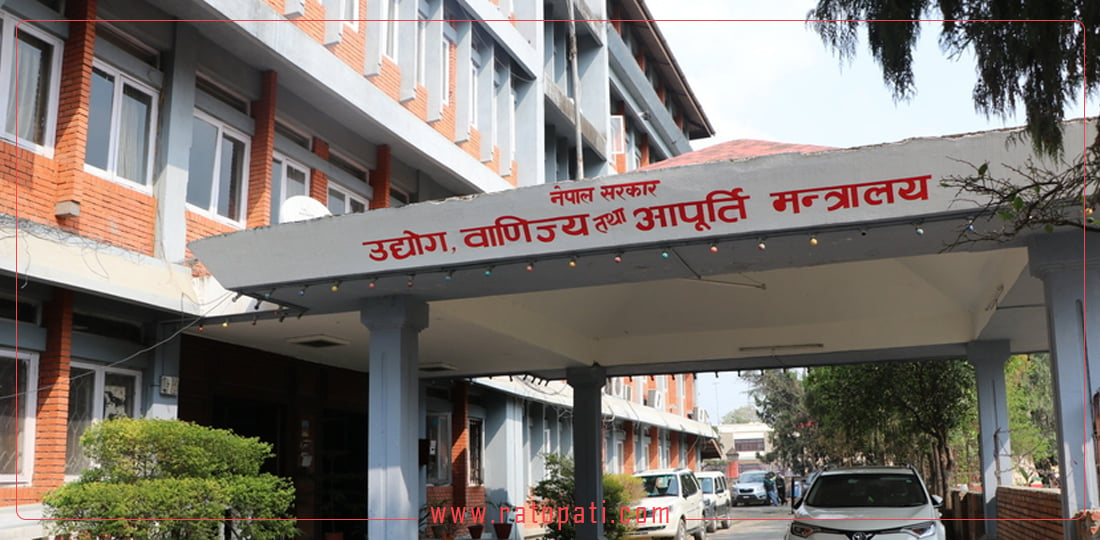
The core vision of this strategic plan, formulated by the Ministry of Industry, Commerce and Supplies, is a sustainable and resilient graduation to a developing country through the promotion of the trade sector and economic prosperity. Its primary objective is to achieve sustainable economic prosperity by expanding market access to promote exports, trade, and investment.
The main objectives of the plan include enhancing the competitiveness of Nepali goods and services to strengthen international market access, and mitigating the impact of graduation on the trade sector while promoting investment, exports, and trade diversification.
Strategies Include:
The strategic plan proposes seven key strategies to address the challenges and opportunities arising from the graduation. These include strengthening market access for goods and services, enhancing the production, productivity, and quality of exportable goods and services, and improving trade infrastructure, logistics services, and trade facilitation.
Furthermore, strategies involve enhancing the competitiveness of Nepali products by operationalizing customs and non-tariff measures and domestic support, emphasizing the strengthening of service trade and digital trade, enhancing engagement in trade, investment, and global value chains through economic diplomacy, and strengthening the institutional and systemic capacity of the trade sector.
To strengthen market access for goods and services, the plan mentions studying and initiating bilateral Free Trade Agreements with major trading partners like the United States and China, negotiating for the continuation of facilities such as GSP Plus, and developing alternative transit routes.
To enhance the production, productivity, and quality of exportable goods and services, it mentions encouraging small and cottage industries, supporting the quality certification of Nepali products, registration and branding of intellectual property, and promoting the production and export of items like medicinal herbs, cosmetics, and woolen carpets.
For improvements in trade infrastructure, logistics services, and trade facilitation, it mentions developing infrastructure to reduce trade logistics costs, implementing regional connectivity initiatives like BBIN and MVA, and establishing quality testing and certification facilities.
To enhance the competitiveness of Nepali products through customs and non-tariff measures and domestic support, it mentions the effective implementation of laws related to anti-dumping, countervailing, and safeguards, making customs rates trade-friendly, and providing cash incentives, tax exemptions, and subsidies for Nepali products.
To strengthen service trade and digital trade, it mentions promoting the export of sectors like information technology, tourism, and electricity services, and enacting and reforming laws for the promotion and regulation of electronic commerce (e-commerce).
To enhance engagement in trade, investment, and global value chains through economic diplomacy, it mentions preparing an economic diplomacy strategy based on fiscal and monetary policies, establishing trade desks in Nepali missions, and organizing investment summits.
To strengthen the institutional and systemic capacity of the trade sector, the strategy includes strengthening the Nepal Trade Portal, providing training on trade regulations and negotiations, preparing a private sector development strategy, and forming expert teams for trade negotiations and facilitation.
The regular monitoring of the implementation of this strategic plan will be carried out by relevant ministries, departments, and central agencies. The Ministry of Industry, Commerce and Supplies will coordinate with relevant bodies as per the action plan during the implementation of this plan. Monitoring and evaluation of implementation will involve continuous analysis of trade-related facts and figures and evaluation based on international trade trends, and strategies and tactics post-graduation will be revised accordingly.
This strategic plan is expected to play a significant role in making Nepal's graduation to a developing nation sustainable and smooth. It will help enhance the competitiveness of Nepali products, expand market access internationally, and contribute to the country's overall journey towards economic prosperity.
This specific news has been automatically translated by AI. As a result, there may be some inaccuracies or language errors.




_iL3K2wYemS.jpg)