Election Date and Government Commitment

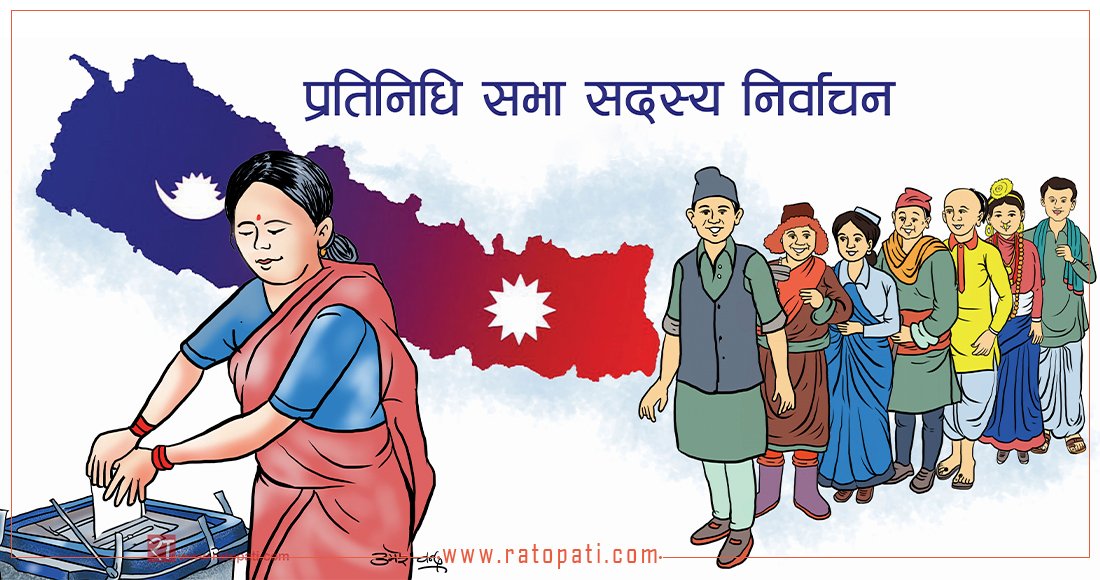
The government led by Prime Minister Sushila Karki, formed after the Genjī movement, has announced the date for the House of Representatives election. The election is scheduled for the 21st of Falgun. The Election Commission has become active to conduct the election on time and has intensified its internal preparations.
Legal Preparations and Amendments
The Election Commission has identified several legal obstacles related to issues like the voter list, registration of new political parties, voting rights for Nepalis living abroad, and voting from outside one's home constituency. The Home Minister has assured that these hurdles will be removed by issuing ordinances. Because the election date was announced under "special circumstances," the law regarding voter list compilation needs to be amended. This process has already started. The government also wants to ensure maximum youth participation in this election, as the Genjī movement was a youth-led initiative. Furthermore, legal amendments are needed to provide time for new political parties to register for the upcoming election.
Logistics and Management
The Commission does not anticipate a major shortage of materials for the election. Most of the materials used in the election two and a half years ago, which included both the House of Representatives and Provincial Assembly polls, are being collected and are in usable condition. Since only the House of Representatives election is happening this time, the requirement is lower. The election will be for 275 seats: 165 through direct voting and 110 through proportional representation.
Challenges for the Election
An official from the Commission stated that this election will be held under different circumstances compared to previous ones, presenting challenges in financial management and security. A significant challenge is the lack of coordination with political parties. However, the Acting Chief Election Commissioner has said the Commission is preparing to hold discussions with all parties to ensure their participation and cooperation.
Clarification Needed on Election System
A former Chief Election Commissioner has pointed out that the government must clarify what type of election will be held. It needs to be clear whether the election will be for a directly elected executive Prime Minister, as demanded by the Genjī movement, or under the current system. The government must give clear directives to the Commission on this matter. Despite the challenges, there is confidence that the Commission can successfully conduct the election with full cooperation from the government and political parties.
Financial Management and Budget
The Election Commission estimates that about five billion rupees will be spent on the upcoming election. In comparison, a combined election for both the House and Provincial Assemblies in the past cost around seven billion rupees. This time, a higher expenditure is anticipated for security, especially due to damage caused during the recent protests in Bhadau. The Finance Minister has assured that the required funds will be managed from internal sources. Since the current financial year's budget is in its early stages, reallocating funds from less essential areas to the election and reconstruction work is possible. The Finance Ministry has instructed the Commission to begin preparations, assuring that there will be no shortage of funds.
_iL3K2wYemS.jpg)