Bagmati Congress Parliamentary Dispute Intensifies
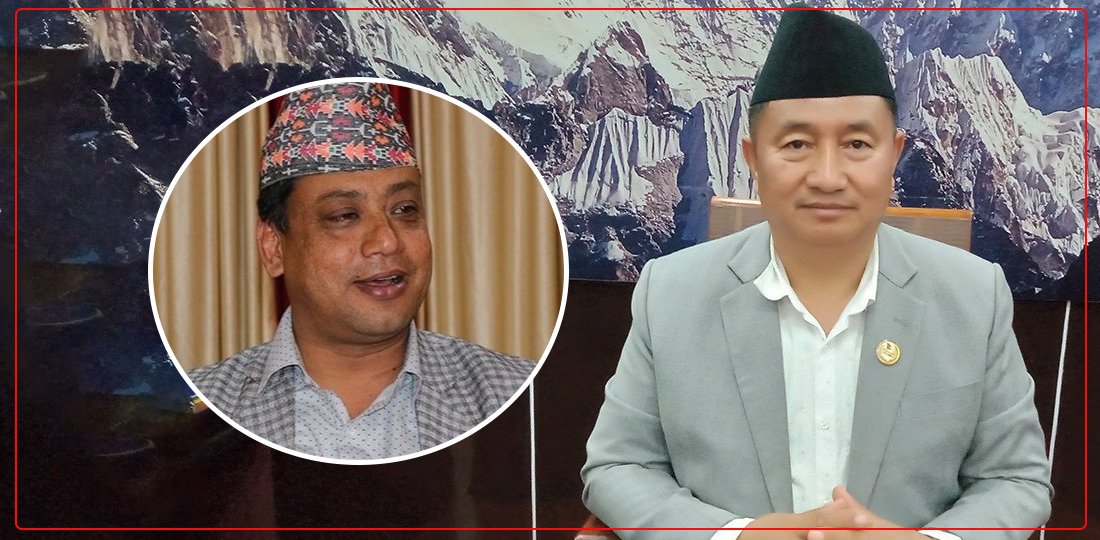
Kathmandu – The conflict within the Bagmati Congress Parliamentary Party shows no signs of resolution, even after the no-confidence motion against its leader, Bahadur Singh Lama, was passed on Tuesday. While Lama has lost his position as the parliamentary party leader, he remains firm on retaining his role as Chief Minister, citing constitutional provisions that do not mandate his resignation from the executive post.
Constitutional Loophole Keeps Lama in Power
Lama argues that under Article 168(2) of Nepal’s Constitution, a Chief Minister does not need to be the parliamentary party leader. The provision states that in the absence of a clear majority, the Provincial Head can appoint a leader who commands support from multiple parties—regardless of their position in the parliamentary party. Since Lama still holds the confidence of the ruling coalition, he insists his resignation is not legally required.
However, moral and political pressure is mounting. A senior Congress official noted that while Lama’s stance is legally sound, it violates parliamentary norms where the executive leader traditionally comes from the majority faction. "If he resigns on moral grounds, that’s one thing," the official said. "But forcing him out is difficult because the coalition, not just Congress, appointed him."
No Immediate Threat to Chief Ministership
The Constitution outlines four scenarios for removing a Chief Minister:
-
Resignation submitted to the Provincial Head.
-
Loss of confidence motion in the Provincial Assembly.
-
Ceasing to be a Provincial Assembly member.
-
Death.
Since the no-confidence vote was held within the parliamentary party, not the Provincial Assembly, it does not legally compel Lama to step down as Chief Minister. His opponents must now bring a separate no-trust motion in the Provincial Assembly, a move that remains uncertain given coalition dynamics.
Deuba’s Neutral Stance Complicates Matters
Congress President Sher Bahadur Deuba has adopted a neutral stance, avoiding direct support for either Lama or his rival, Indra Bahadur Baniya, the Provincial Assembly chief. Both leaders are close to Deuba, making his position delicate. While some senior leaders back Lama, others, including Deuba’s allies, push for Baniya’s ascension.
Political Deadlock Ahead
With the ruling coalition partner, CPN-UML, reluctant to immediately replace Lama, the crisis could prolong. Baniya, emboldened by the parliamentary party’s vote, is aggressively pushing for leadership, but constitutional ambiguity leaves the situation unresolved.
The dispute now hinges on whether Lama’s opponents can muster enough support in the Provincial Assembly, or if backroom negotiations will force a compromise. For now, Bagmati’s political future remains in limbo.
Note: The standoff highlights the tension between constitutional provisions and political conventions in Nepal’s federal system.
_iL3K2wYemS.jpg)