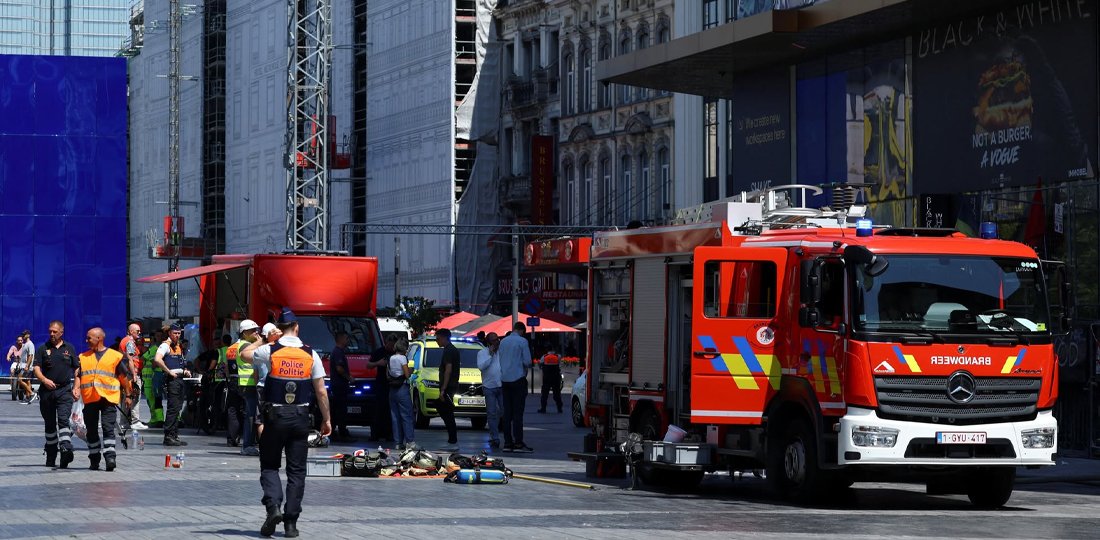
Tragedy Strikes at US-Backed Gaza Aid Distribution Site

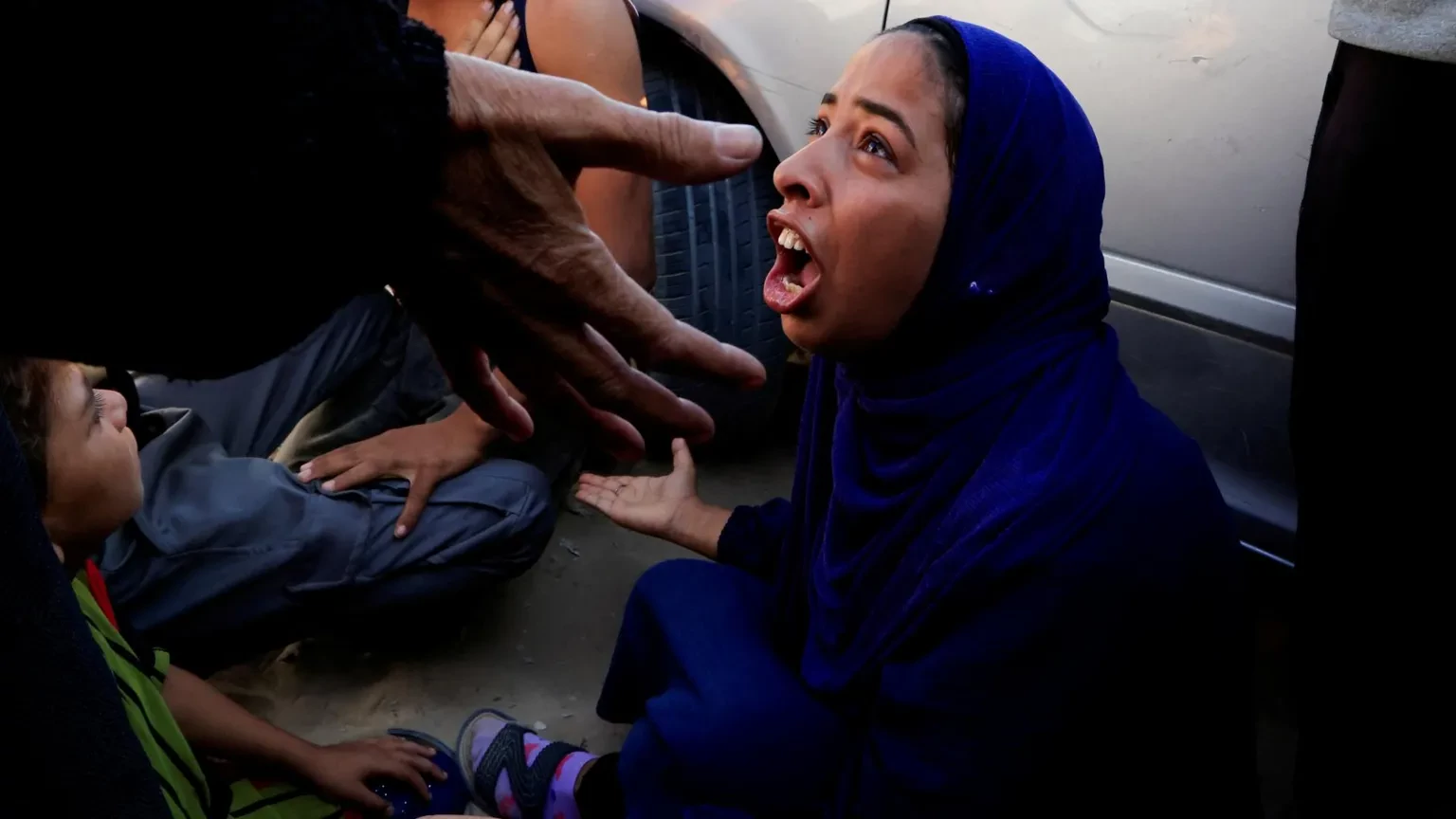
Deadly Crush Claims at Least 20 Lives in Khan Younis
A catastrophic incident at a Gaza Humanitarian Foundation (GHF) aid distribution center in southern Gaza has left at least 20 people dead, according to reports from the organization and local medical authorities. The GHF, which operates with support from the US and Israel, stated that 19 victims died in a stampede while one was fatally stabbed during what it described as a "chaotic and dangerous surge" at its Khan Younis facility. The foundation alleged that individuals "armed and affiliated with Hamas" instigated the unrest—a claim vehemently denied by Gaza's Hamas-run Government Media Office, which accused the GHF of attempting to conceal a crime.
Conflicting Accounts of the Tragedy
Nasser Hospital in Khan Younis reported receiving 21 bodies, attributing the deaths to suffocation from tear gas and the crush of crowds. This marks the first time the GHF has acknowledged fatalities at one of its aid sites. The Hamas media office instead blamed US private security contractors working with the GHF, alleging they closed the site's gates as thousands gathered in narrow passages for food, then fired tear gas and live ammunition into the crowd.
Disturbing footage verified by the BBC showed a witness at Nasser Hospital standing beside a cart carrying six male victims, including children. "They were crushed between the fences while waiting for food," the man cried, holding one boy's body. "Why should children die for aid?" His account described how crowds surged forward as foreign contractors erected barricades, trapping and trampling those at the front.
Escalating Humanitarian Crisis
The incident underscores the perilous conditions facing Palestinians seeking aid. Since late May, nearly daily reports have documented casualties during aid distributions, with witnesses frequently citing Israeli gunfire. The UN human rights office revealed on Tuesday that 674 deaths have been recorded near GHF sites in southern and central Gaza over six weeks, with an additional 201 fatalities along aid convoy routes.
While the GHF previously denied any deadly incidents near its operations—dismissing UN figures as "false and misleading"—the Israeli military recently acknowledged civilian harm during aid operations, pledging to reduce friction between troops and civilians. The GHF's reliance on private security contractors to distribute aid within Israeli military zones remains controversial, with the UN refusing collaboration due to ethical concerns over the arrangement.
This tragedy highlights the desperate humanitarian situation in Gaza and the deadly risks civilians face while seeking basic survival aid.