Disputes Between Organizers and Artists Rise
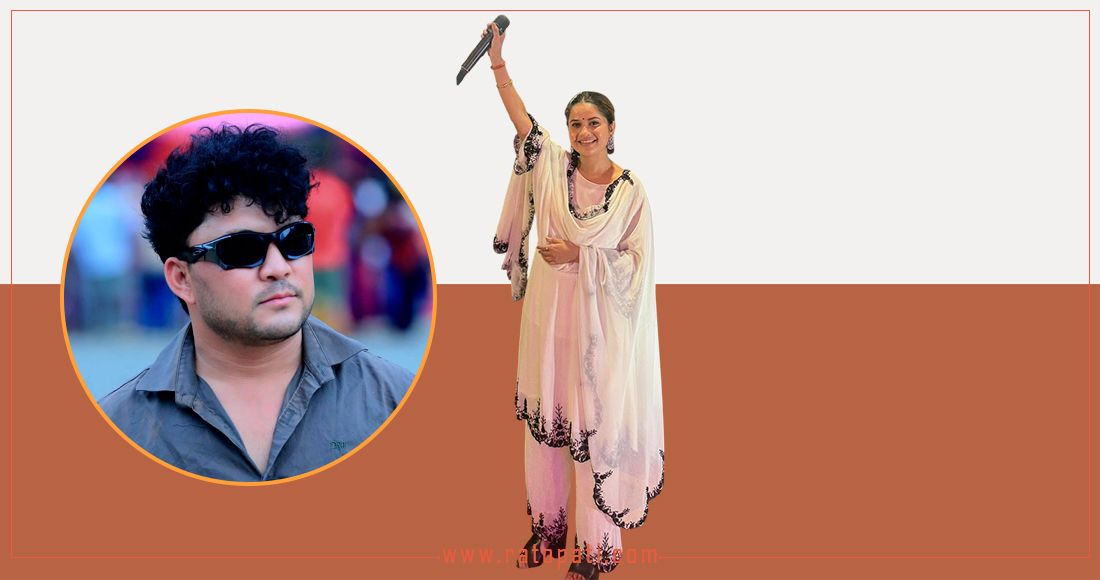
Kathmandu. There is a symbiotic relationship between festival organizers and artists. Festival organizers need artists to enhance the grandeur of the program, while artists also receive good remuneration for participating in programs organized by such organizers.
Lately, incidents of disputes between organizers and artists have started increasing. They often accuse each other on social media.
Recently, this issue came to the fore again when popular singer Alina Chauhan posted a picture of festival organizer Dilli Pariyar on social media with the caption, 'Beware of this thug from Rukum.' Refuting the allegation, organizer Pariyar stated in a video message that Alina's claim was baseless and that he had always paid her a respectable remuneration for the past 3 years.

He also warned of legal action, stating that Alina made unnecessary demands despite the fulfillment of the conditions as per the agreement.
Singer Kala Lamsal, who recently went on a US tour, was also involved in a similar incident. Kala accused the organizer of being forced to return to Nepal earlier than scheduled, despite the 'Gaunchha America' tour being for three months. She alleged that the organizer used various tactics to send her back to Nepal before the pre-determined time. Although singer Alina Chauhan initially defended the organizer in Kala's case, after returning to Nepal, she made serious allegations of mistreatment and insult against the organizer.
These incidents are just a few examples. Organizers often complain that artists cause trouble, take remuneration and do not perform on time, and demand unnecessary facilities and expenses for extra companions, while artists accuse organizers of not paying the agreed remuneration and mistreating them.
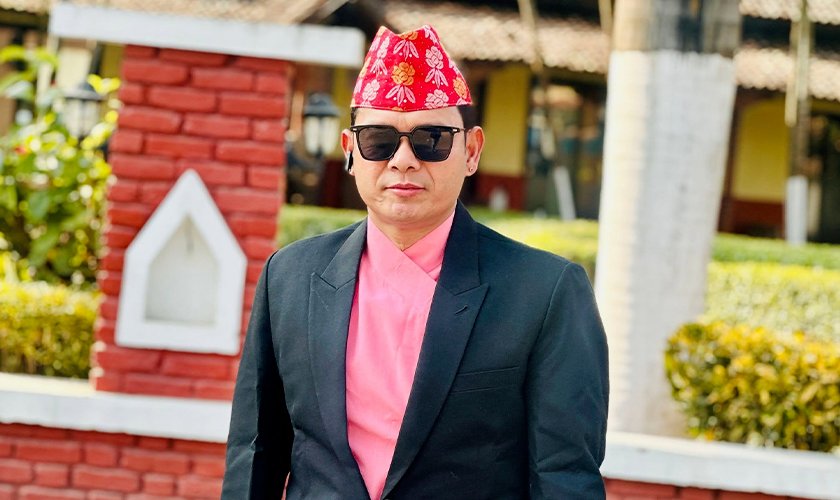
Why do disputes between artists and organizers happen repeatedly? Senior folk singer Badri Pangen says that such incidents occur because the Nepali art sector is not yet fully professional. He states that such disputes surface due to the shortcomings of both parties.
"As long as we cannot make the Nepali art sector fully professional, such problems will continue to arise," Pangen said, "For this, there is a need to create some rules and laws."
Although he is not deeply aware of the current dispute between Alina and the festival organizer, Pangen believes it would be appropriate for both parties to accept their mistakes and reconcile.
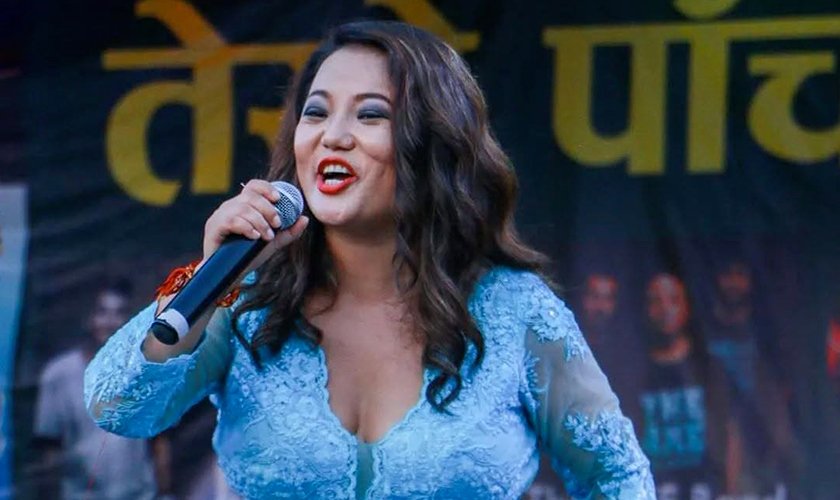
Singer Jyoti Magar, however, believes that such disputes should be viewed in conjunction with the country's overall economic situation. Her experience is that sometimes circumstances worsen not due to bad intentions but due to a lack of resources.
"I am already accustomed to such problems. This dispute is like a quarrel within a household, where sometimes there are disagreements, but in the end, reconciliation is inevitable," Jyoti said.
She argues that it is not always appropriate to bring everything to social media. "Organizers, artists, technicians, and audiences all have their own compulsions," she said, "As far as possible, the best option is to reach an agreement and move forward by resolving practical matters."
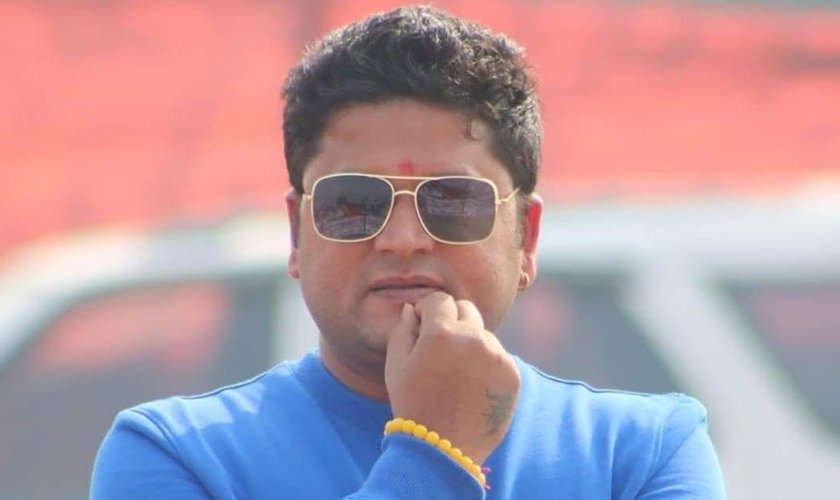
Rajkumar Sigdel from Kawasoti, who has been organizing festivals for the past 10 years, says that disputes between artists and organizers are common. He believes that the disputes are not insurmountable.
"Sometimes, misunderstandings due to technical and financial reasons also escalate into bigger issues," Sigdel said, "When organizing festivals, if the audience turnout is not as expected, the organizers incur losses. When only 100-200 people attend the festival, the organizer suffers significant losses. In such a situation, it becomes difficult to immediately pay the agreed remuneration to the artists."
He believes that in such situations, artists should also understand the practical difficulties. "We have been collaborating with artists for years. There are instances where we have worked on mutual understanding, with the agreement to pay later due to budget constraints," he said, "If artists understand the practical aspects a little, many misunderstandings will be resolved on their own."
- Whose Fault Is It?
Festivals are a major source of income for artists, besides promoting art. However, in recent years, disputes between artists and organizers have affected both parties. These disputes are also sending a negative message to the audience.
Prashant Sunar, manager of Surtal Event & Multimedia Pvt. Ltd., which has been managing festivals and cultural programs in the Gandaki region for the past 10 years, attributes the main cause of disputes to circumstantial situations and a lack of practical thinking.
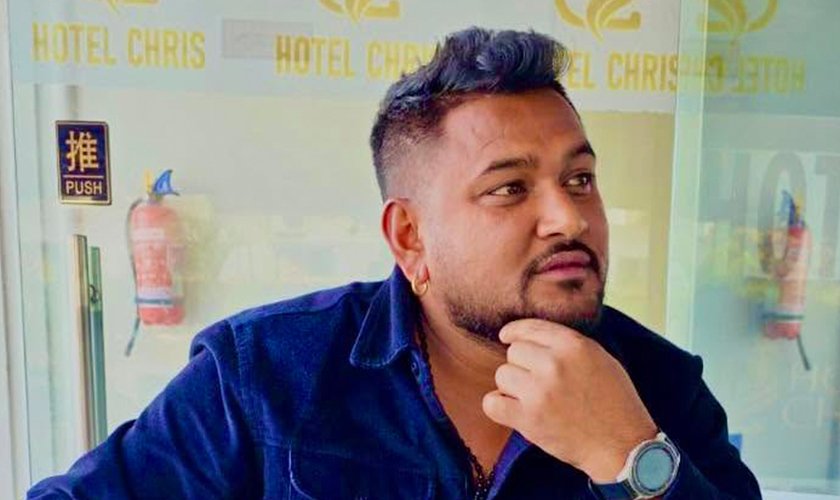
"The meaning of a dispute lies in why, with whom, and how it originated. It cannot be viewed from just one angle," Sunar said, "When talking about shortcomings, it can be from both sides."
He has experienced that disputes arise partly due to some artists' lack of understanding of practical matters and arrogance, and partly because some organizers, after inviting artists and having them perform, do not pay them and send them away.
"Since festivals run for 10 to 12 days, organizers have to bear the expenses and management for the entire duration. However, most artists prefer to perform only on the last Saturday when the audience is larger," Sunar said, "Artists should not think that it is enough if the audience comes only on the day they perform."
He believes that if both parties reflect on how the festival went from beginning to end and take equal responsibility for continuous collaboration, such disputes will end.
Bhumika Giri, a folk dohori singer who has made stage performances her primary source of livelihood for a long time, has a slightly different experience. Giri, who has been performing on stage for the past 10-12 years, says she has not had any unpleasant experiences so far.
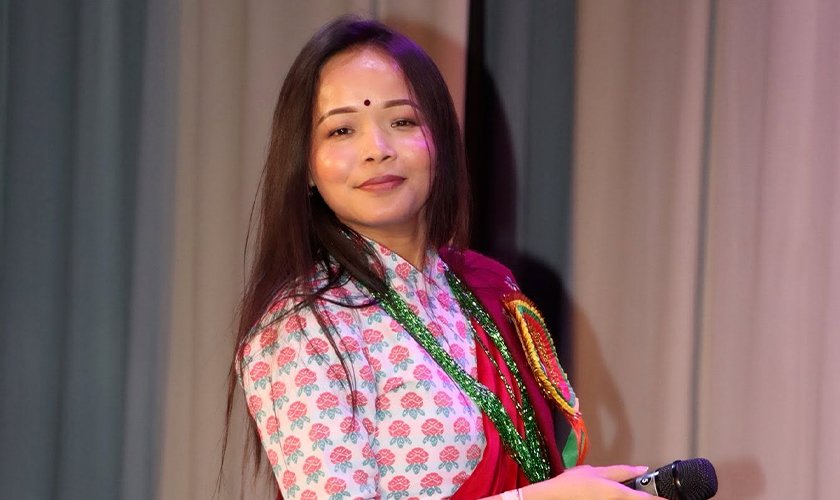
However, she acknowledges the problems of disputes between organizers and artists within this sector.
"Disputes depend more on an individual's personality, conduct, and behavior," Giri said, "In some places, artists have shortcomings, while in others, it is the organizers' fault. There are also some organizers who say one thing but do another."
According to her, misunderstandings arise when agreements (deals) are not honored. "I am a very simple and evergreen artist, and our budget is also practical. Just because I haven't faced problems doesn't mean no one else has," she said, "If there is a dispute in the open, there must be some problem and shortcomings on someone's part."
This specific news has been automatically translated by AI. As a result, there may be some inaccuracies or language errors.