Experts Urge State Action on Rapidly Growing Elderly Population in Nepal

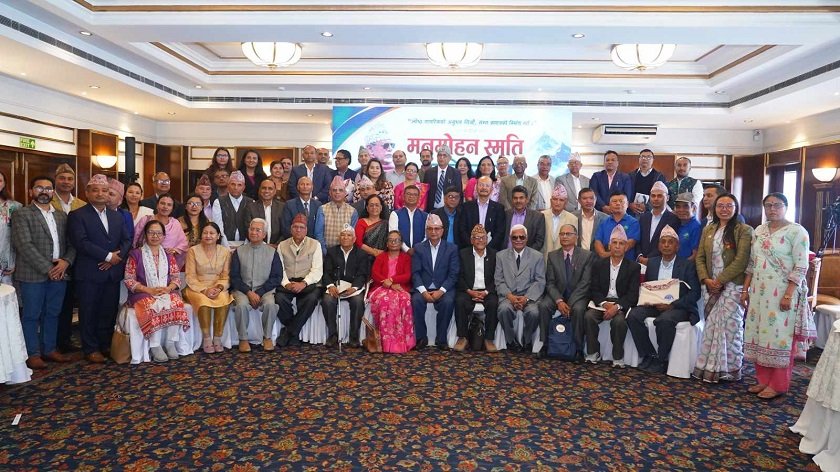
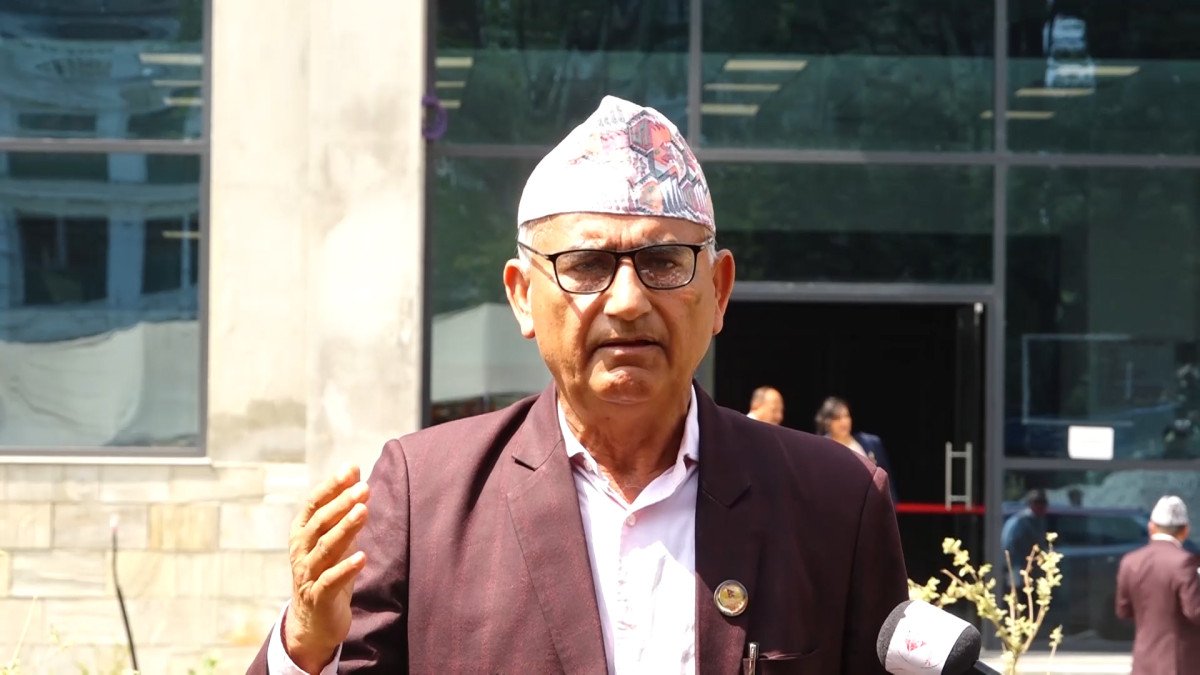
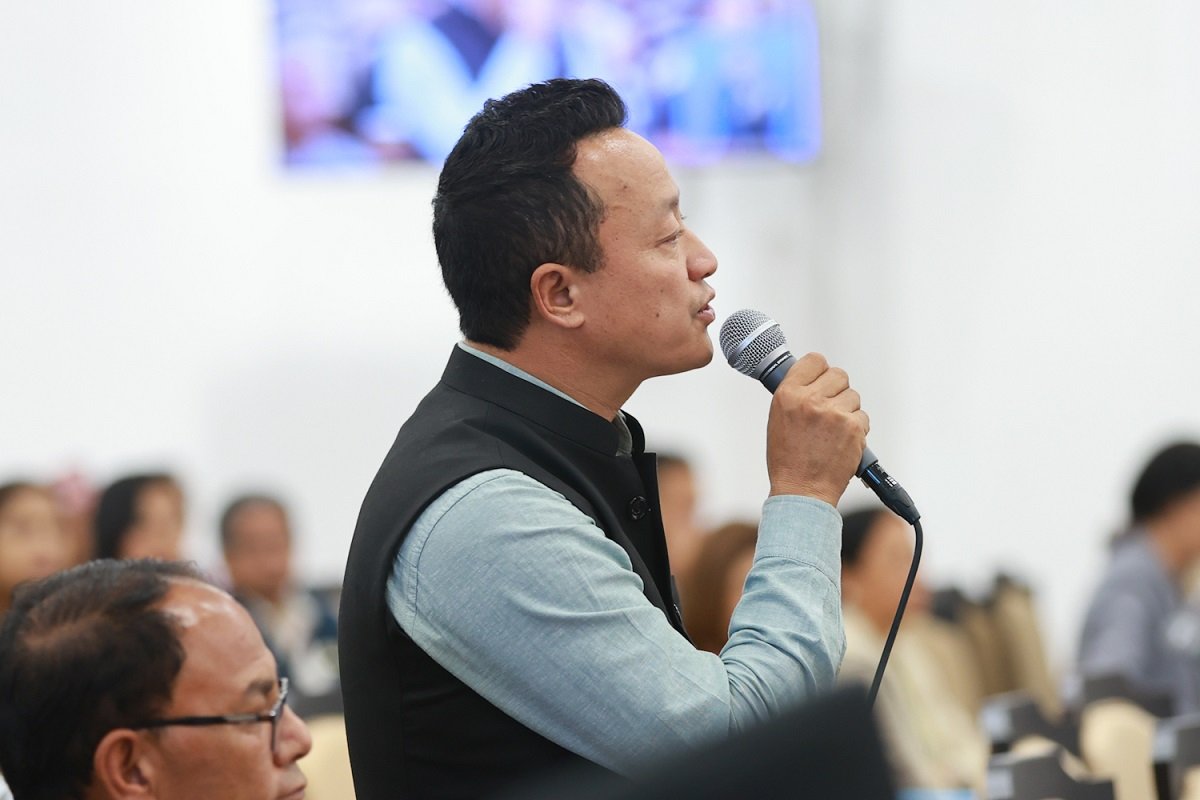
Kathmandu. Experts have stated that the state must take immediate initiative in managing the rapidly growing elderly population in Nepal. They suggest that the number of people over 60 years of age has doubled in the last two decades and the growth rate is still high, so stakeholders and experts advise that families and the state should be serious about this. Experts participating in four discussion sessions presented at the two-day international conference on the elderly organized by Manmohan Smriti Pratishthan on Saturday and Sunday said that it is no longer appropriate to just count the elderly population. Dr. Padam Prasad Khatiwada, Associate Professor at the Central Department of Population Studies, Tribhuvan University, said that although the birth rate in Nepal is low, the population of childbearing age is large, and as this group is gradually entering old age, the elderly population in Nepal will continue to grow for the next few decades. He also pointed out the need for the state to expand social security programs to care for the elderly. 'Policies and programs related to the elderly in Nepal begin with the elderly allowance started by Manmohan Adhikari,' Khatiwada's presentation stated, 'Institutional development occurred between 2058 and 065 BS, while the 2072 BS constitution established constitutional assurance regarding the rights of the elderly.' Former professor of TU, Bidhan Acharya, said that the average life expectancy in Nepal is increasing due to the availability of health services and the growing economic situation. He informed that the average life expectancy of Nepalis, which was 49.8 years around 2038 BS, has now reached about 70 years. 'The increase in average life expectancy is a matter of happiness. Along with this, the number of elderly people at home has increased. Their care is becoming a major challenge now,' Acharya said, 'The impact of this challenge is on the lives of the elderly. At a time when they should receive more care, have they not been neglected? It is too late for all parties to pay attention to this.' 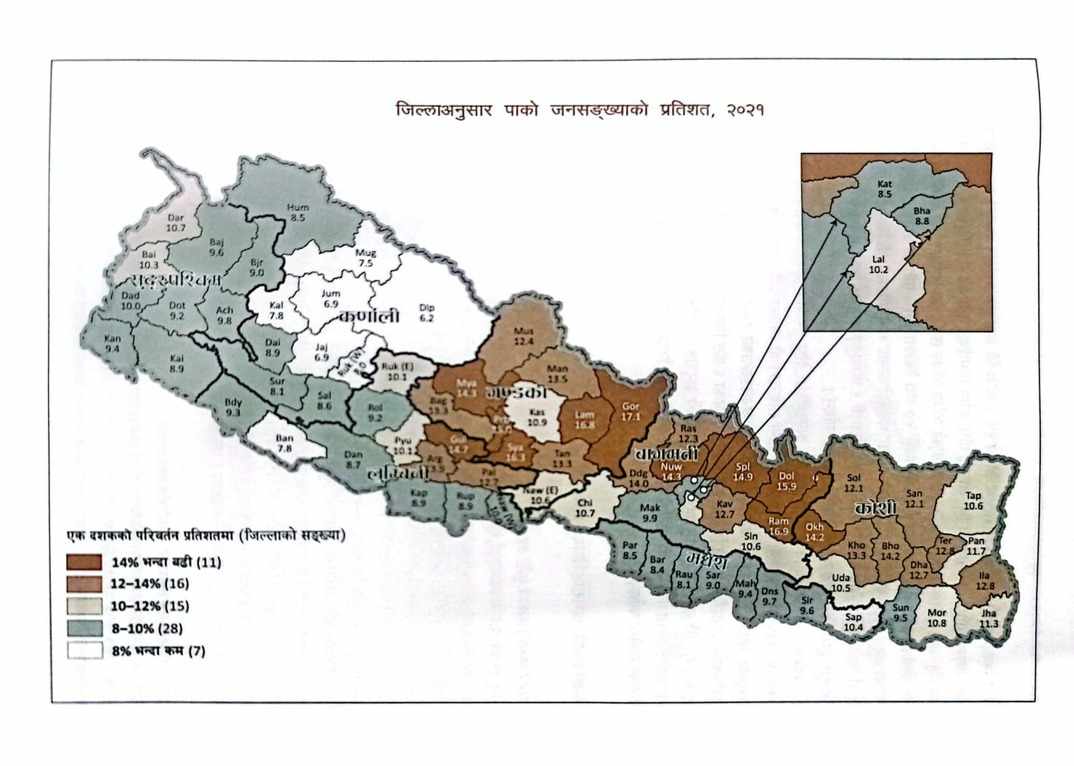 Bhumidatta Poudel, Principal of Kopan Multipurpose Campus and population researcher, said that the number of elderly people, which was 14 lakh 77 thousand 3 hundred 79 in the 2058 BS census, has more than doubled to 29 lakh 77 thousand 3 hundred 18 in 2078 BS. According to Poudel, the growth rate of the elderly population in Nepal is almost three times higher than the average population growth rate. Currently, Nepal's average population growth rate is 0.93 percent, while the growth rate of the elderly is 3.2 percent. 10.2 percent of the total population is over 60 years of age. Journalist and population analyst Chetan Adhikari presented a working paper on the elderly and media coverage. Adhikari's presentation mentioned that news about the elderly is presented very minimally in the media. Among Nepali televisions, Nepal Television and Seven Star Four K regularly conduct discussions on the elderly, and a YouTube channel called Yatri Media also regularly hosts such programs. Adhikari analyzed the status of news published in Gorkhapatra, Annapurna, and Online Khabar for seven days from Baishakh 16 to 22. In this, it was found that Gorkhapatra and Annapurna Post did not publish a single news item related to the elderly in seven days. Online Khabar, which publishes about 300 news items daily, published only three news items related to the elderly in a week. Reasons such as news about the elderly not going viral, no media house assigning separate journalists for reporting on them, and the elderly having less access to the media have led to the low priority given to news about the elderly. Adhikari also suggested making daily newspapers elderly-friendly by increasing the font size and publishing some content in Braille. He also suggested making multimedia elderly-friendly. 'There is a wealth of subject matter about the elderly in society. There are also statistics and reports in equal measure, but the media covers them minimally,' Adhikari said, 'The media also has a big role to play in suggesting or pressuring the state to make elderly-friendly policies.' In the conference, Karna Shakya, Snehi Sayami, Deputy Mayor of Lalitpur Metropolitan City Manjali Shakya Bajracharya, Deputy Mayor of Budhanilkantha Municipality Anita Lama, Dr. Ramesh Babu Kafle, Dr. Tara Kafle, Dr. Ganesh Man Gurung, among others, presented their presentations on various aspects of the elderly. Population scientists and professors from countries including Japan, China, and Bangladesh also presented facts and figures related to elderly management in their respective countries at the conference. Ishwar Pokharel, Chairman of the organizing foundation, said that the conference is relevant because the name Manmohan Adhikari is associated with the elderly. He thanked all the participants.
This specific news has been automatically translated by AI. As a result, there may be some inaccuracies or language errors.