Chief Registrar Vimal Poudel Highlights Challenges in Judiciary


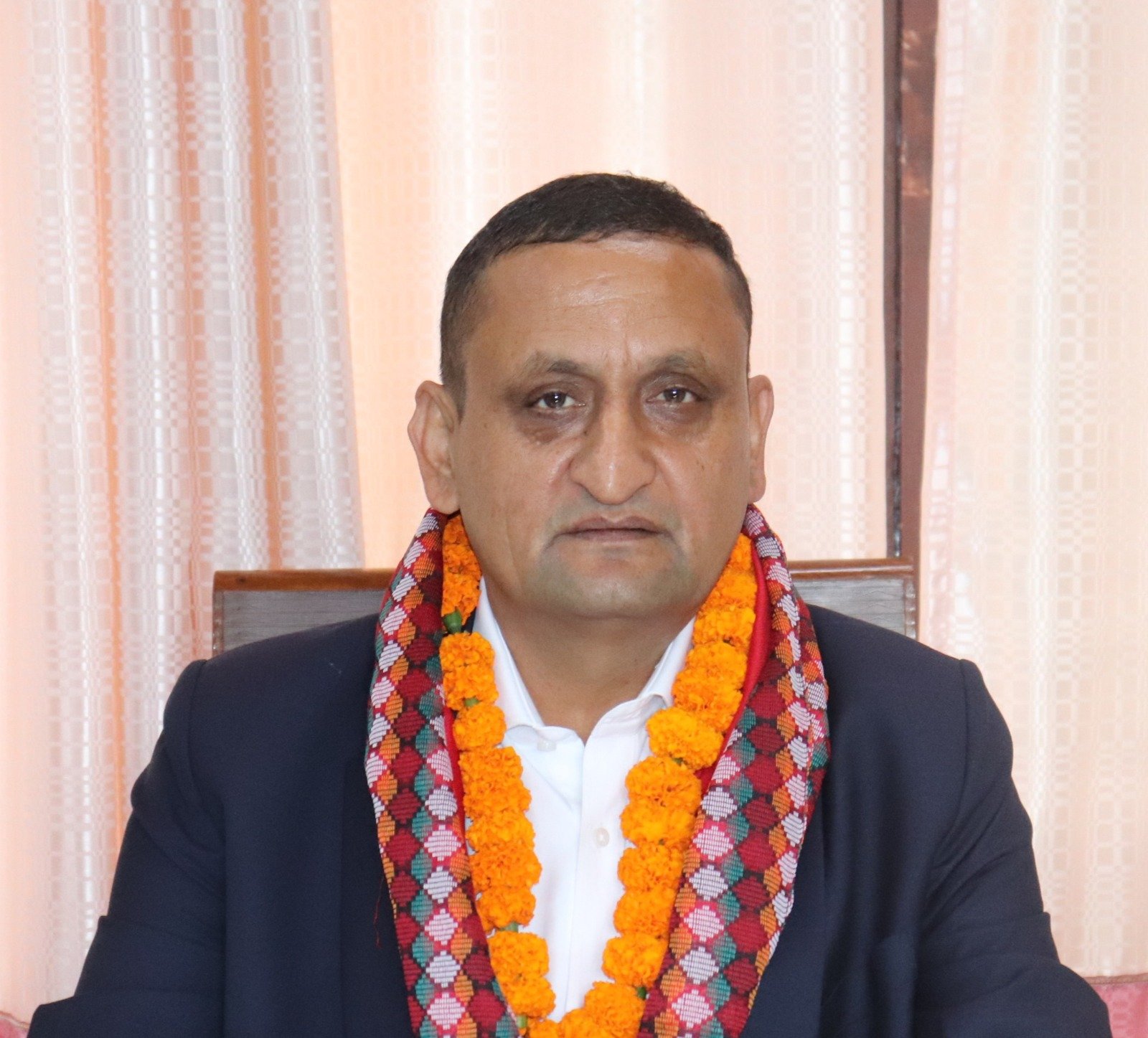
Kathmandu. Chief Registrar of the Supreme Court, Bimal Poudel, has stated that effective implementation of verdicts and management of the increasing workload of cases are the main challenges in making the judiciary's performance effective. Speaking at a ceremony organized on the occasion of Law Day, he said that the protection of citizens' rights and freedoms is possible only through an independent, impartial, and capable judiciary.
Chief Registrar Poudel discussed that constitutional supremacy, rule of law, and an independent judiciary are the pillars of democracy, stating that the judiciary is working with a high sense of dedication and responsibility towards the citizens.
According to him, the judiciary is continuously striving to make justice delivery swift and qualitative through a five-year strategic plan, as well as to make access to justice easier for the general public and enhance public trust. He mentioned that the workload has increased due to the diversity in the number and nature of cases in the courts, along with the economic and physical development in the country.
Expressing concern over the status of verdict implementation, he informed that currently, there is a backlog of over 1.25 lakh years of imprisonment and fines exceeding 31 billion rupees to be collected across the country. Stating that this situation challenges the very values and norms of the rule of law, he expressed expectation for the active cooperation of the government and security agencies in the implementation of verdicts.
He said, 'Managing the workload of cases and delivering justice in time according to public expectations is the main challenge today. The delivery of justice is not possible by the judiciary alone; positive cooperation from concerned bodies and officials is indispensable for this.'
He mentioned that although there were some difficulties in service delivery due to damage to the judiciary's physical infrastructure and case files from the incidents that occurred on Bhadra 23 and 24 last year, the situation has been eased with the cooperation of the Government of Nepal and stakeholders.
He emphasized the need to make local judicial committees more effective in delivering judicial services to the doorsteps of citizens. Discussing the potential of mediation methods and 'pre-litigation mediation' for dispute resolution, he said that the expansion of free legal aid and 'pro bono' services through the Nepal Bar Association is necessary to strengthen the access of the general public to justice.
He expressed commitment to continue collective efforts to make the justice administration swift, impartial, and accountable to the public while preserving the values and norms of an independent judiciary.
This specific news has been automatically translated by AI. As a result, there may be some inaccuracies or language errors.
_XMWxUklnsu.jpg)