Fertilizer Shortage Looms as New Government Takes Charge; Pesticide Residue Concerns Rise

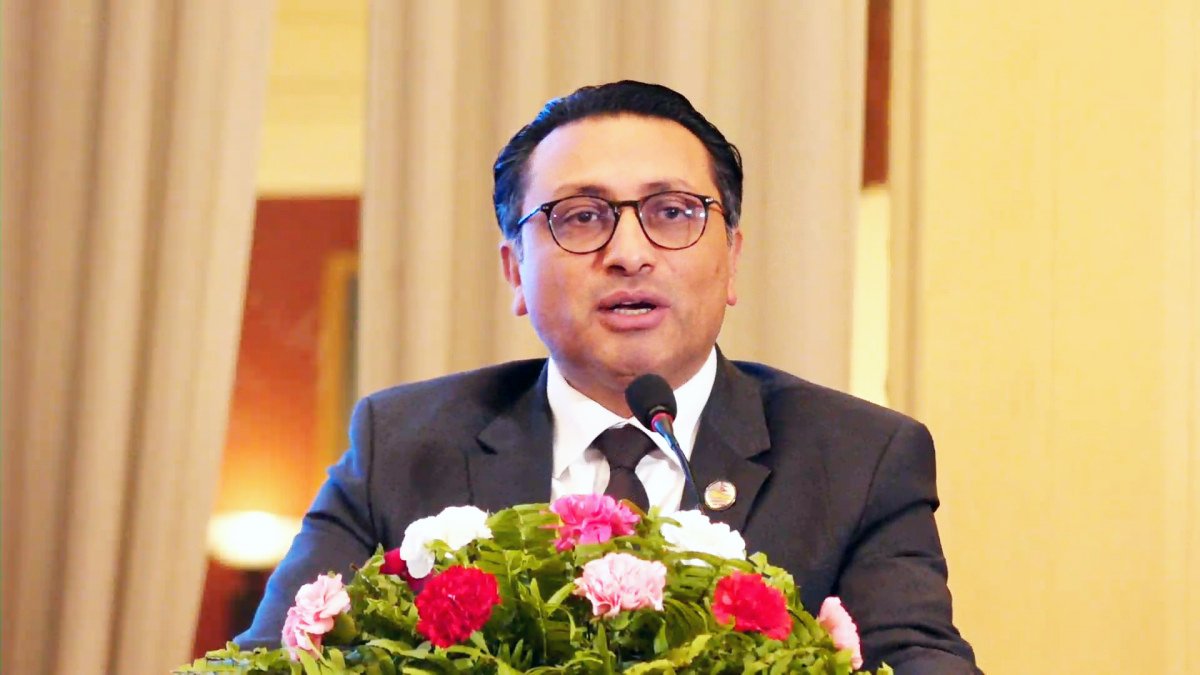
Kathmandu. A new government led by the Rastriya Swatantra Party (RSP) is set to be formed this week. This government, under the leadership of Balen Shah (Balen), is preparing to include a team of experts in the cabinet. However, the persistent problem of chemical fertilizer shortage, which the government faces criticism for every year, appears to be a major challenge for the new administration as the supply situation remains inadequate on the eve of government formation.
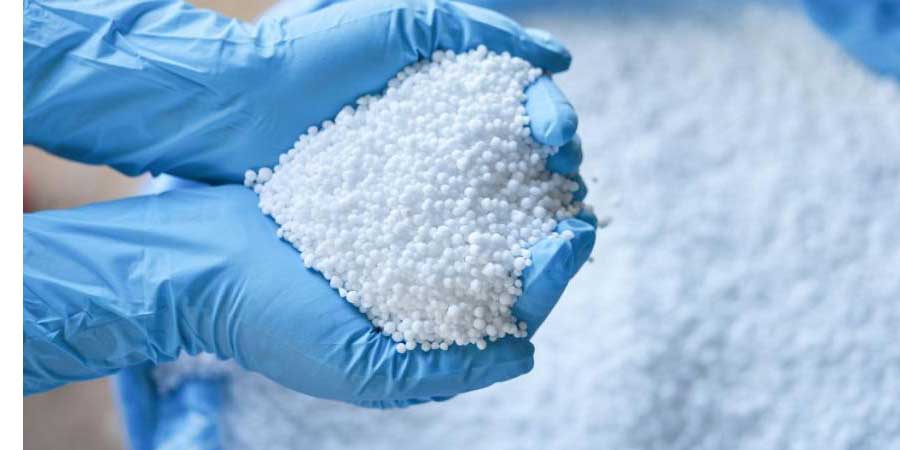
The Ministry of Agriculture and Livestock Development has published a detailed report on the supply and distribution of chemical fertilizers up to the end of Falgun for the current fiscal year 2082/083. According to the ministry, a total of 406,091 metric tons of chemical fertilizer were sold nationwide from Shrawan 1 to Falgun 30.
Statistics show that the government targeted a total supply of 600,000 metric tons of fertilizer for this fiscal year, and the budget and tender processes were advanced accordingly. However, according to the ministry, the total demand for fertilizer in Nepal exceeds 1.3 million metric tons.
The government has allocated a total budget of NPR 28.8214 billion for chemical fertilizer supply in the current fiscal year, according to the ministry. Tenders for the purchase of 491,300 metric tons of fertilizer have been completed through this budget. Agricultural Inputs Company Limited and Salt Trading Corporation Limited are responsible for managing the supply system. According to the data, a total of 495,907 metric tons of fertilizer have been supplied during this period, with Agricultural Inputs Company accounting for 367,479 metric tons and Salt Trading accounting for 128,427 metric tons.
Looking at the distribution status, Urea fertilizer shows the highest demand and consumption. Farmers purchased a total of 406,091 metric tons of fertilizer by the end of Falgun, including 240,037 metric tons of Urea, 153,531 metric tons of DAP, and 12,523 metric tons of Potash. The ministry stated that this figure includes the remaining stock from the last fiscal year. Agricultural Inputs Company alone sold 303,216 metric tons, and Salt Trading sold 102,875 metric tons.
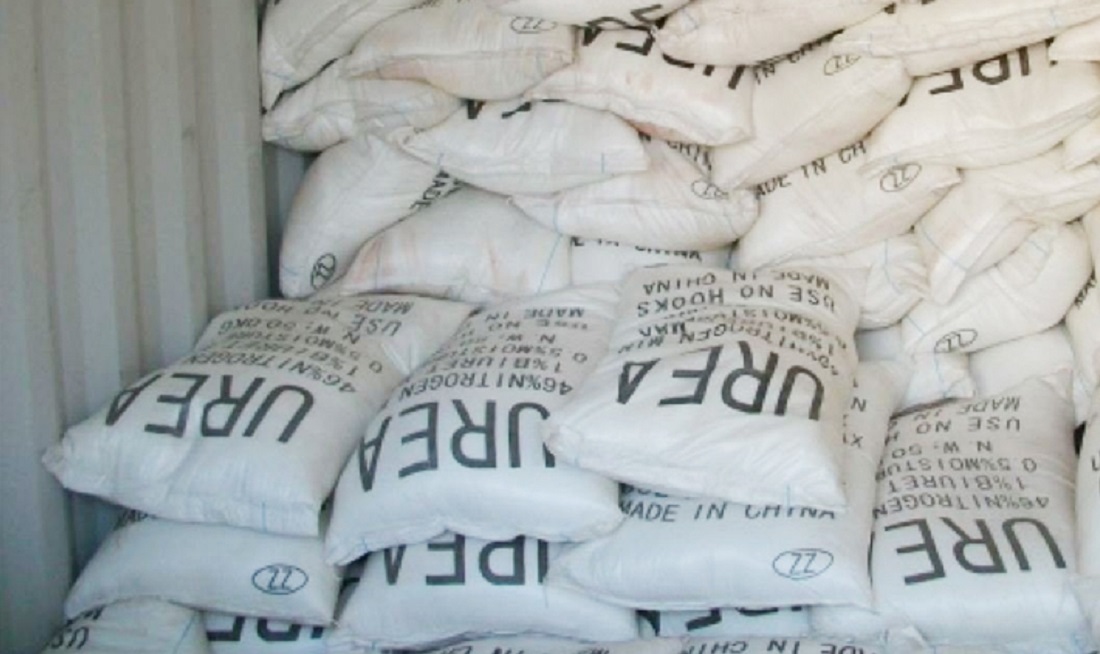
Although the current stock level of chemical fertilizers in government warehouses appears satisfactory, it cannot meet the entire demand of the farmers. According to the ministry's report, a total of 137,663 metric tons of fertilizer are in stock across warehouses nationwide as of the end of Falgun. This includes 85,862 metric tons of Urea, 35,565 metric tons of DAP, and 16,235 metric tons of Potash.
The Ministry of Agriculture stated that the demand is continuously increasing due to the excessive use of chemical fertilizers. According to Joint Secretary Dr. Ramkrishna Shrestha of the ministry, chemical fertilizers, which were previously used more for paddy and vegetables, are now being widely consumed in winter and summer maize, as well as other cash crops. He said, "Previously, fertilizer was stocked only for the month of Ashar, but now consumption has increased because fertilizer is applied to hybrid maize even before planting paddy."
Uddhav Adhikari, coordinator of the Campaign for Agriculture for Food, suggests that the government should focus on organic fertilizers instead of struggling with chemical fertilizer shortages. "Soil and public health have deteriorated; instead of creating a panic over chemical fertilizers, the government should prioritize organic fertilizers," he says. "Doing so prevents capital from leaving the country, and farmers can easily obtain fertilizers." He believes that if organic production is commercialized and production-based subsidies are provided, the demand for chemical fertilizers will gradually decrease.
Similarly, young agricultural expert Dipesh Nepal also emphasizes organic and natural fertilizers instead of chemical ones. Nepal, who is also the operator of 'Ujbani Permaculture Farm,' accused the government of not taking sufficient interest or ownership in organic fertilizers, which is why farmers have not been able to adopt alternatives to chemical fertilizers. He says, "The government must understand the necessity of natural farming for the health of humans and nature. If such farming is encouraged, the demand for chemical fertilizers will decrease on its own."
Pesticide Situation Alarming
According to data from twelve rapid pesticide residue analysis laboratory units in Nepal, the situation of pesticide use in vegetables is worrying. According to the Department of Agriculture report, a total of 22,860 samples of vegetables and fruits were tested by laboratories across the country up to the end of Falgun.
Of the total samples tested, 22,698 samples showed a pesticide inhibition percentage of less than 35%, which is considered safe. Furthermore, 46 samples showed pesticide levels between 35% and 45%, which can be consumed only after waiting for some time. However, 116 samples were found with pesticide residues exceeding 45%, which is considered serious for public health and completely unfit for human consumption.
Looking at the regional breakdown, the laboratory in Kalimati, Kathmandu, tested the highest number of samples at 3,121, finding high pesticide levels in 26 of them. Similarly, 26 out of 2,306 tests in Pokhara and 22 out of 1,353 tests in Kawasoti showed excessive pesticide residues. Additionally, 12 samples in Attariya, 7 in Nepalgunj, and 3 in Birtamod were found to be unfit for consumption.
This specific news has been automatically translated by AI. As a result, there may be some inaccuracies or language errors.