Blood Shortages Force Families to Scramble for Donors at Koshi Province Hospitals

Ramesh Thapa, 52, from Sundarharaicha, Morang, urgently needed 'AB Positive' blood for an emergency surgery for a relative. Doctors immediately instructed him to find a blood donor. When he contacted the blood transfusion center, they informed him they had no stock, forcing him to search desperately for a donor.
“The doctor said blood was needed immediately, but I was informed that the blood transfusion service center had a shortage,” Thapa said. “After that, we posted a message on the social media platform Facebook to arrange blood, and called friends, but it was very difficult to get blood on time. At that moment, the biggest fear we had was for the patient's life. Running around searching for blood was very stressful.”
Relatives of another patient seeking treatment at Koshi Hospital shared a similar ordeal. “We thought the blood would be managed at the hospital,” he said. “But in the end, having to find it ourselves was very difficult. In such situations, the patient's family gets even more mentally pressured.”
Hundreds of patients' families currently undergoing treatment at major hospitals in Koshi Province are facing the same situation as Ramesh. Due to the lack of readily available blood for emergency treatment, relatives of patients are forced to search for donors themselves.
Doctors state that the problem of blood shortage has become increasingly serious recently. When blood is not available immediately for situations like emergency surgery, accidents, or childbirth, the patient's life is put at risk.
The situation where relatives of patients have to take to the streets and 'Facebook' walls to find donors themselves due to the unavailability of the required amount of blood in government and private hospitals across Koshi Province is growing daily.
Dr. Shankar Prasad Adhikari, Chairman of the Private Hospitals Association (OFNI) and operator of our hospital in Biratnagar, stated that this challenge of blood management has emerged as a serious problem.
According to him, the lack of sufficient blood storage in blood transfusion service centers has created a compulsory situation where hospitals must ask relatives of non-emergency patients to manage or exchange the blood themselves.
“In the current situation, hospitals have had to adopt the concept of 'substitute' or exchange,” Dr. Adhikari said. “If the specific blood group the patient needs is unavailable, arrangements are made to exchange it by providing any other group of blood, so that treatment is not halted due to a lack of blood.”
While relatives managing the blood provides some ease to hospital management, he believes that in urgent situations requiring immediate blood, such as road accidents (RTA), significant risk and challenges still remain.
Dr. Adhikari emphasized the need for centralized management of blood at the regional level. Most small hospitals do not have their own 'blood banks' and are forced to depend on Red Cross, Nobel, or large institutions in Biratnagar. “If all small hospitals keep blood banks, there is a risk of blood going to waste if not consumed,” he said. “Therefore, a single, strong, and centralized management is more effective.”
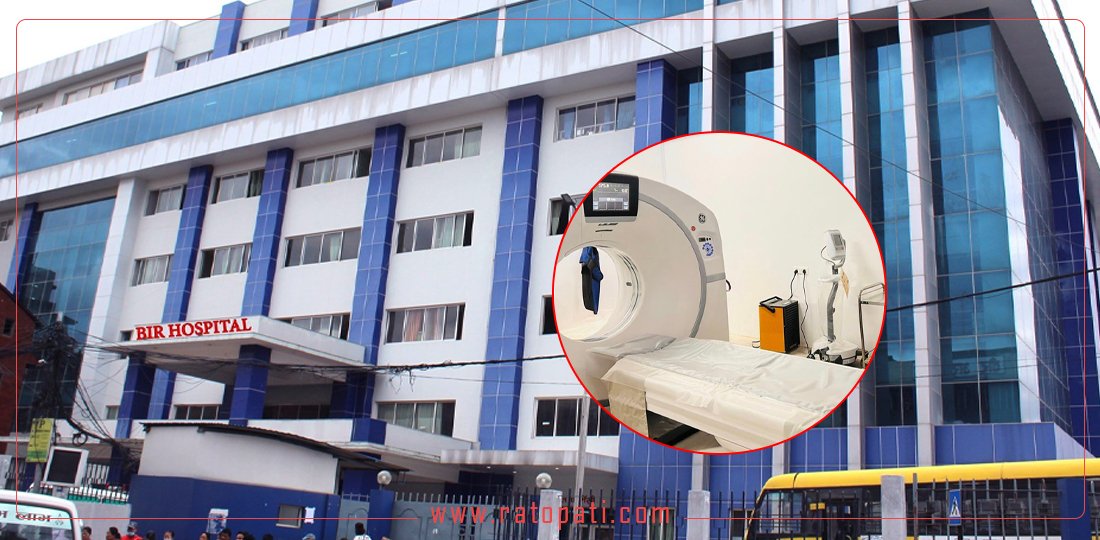
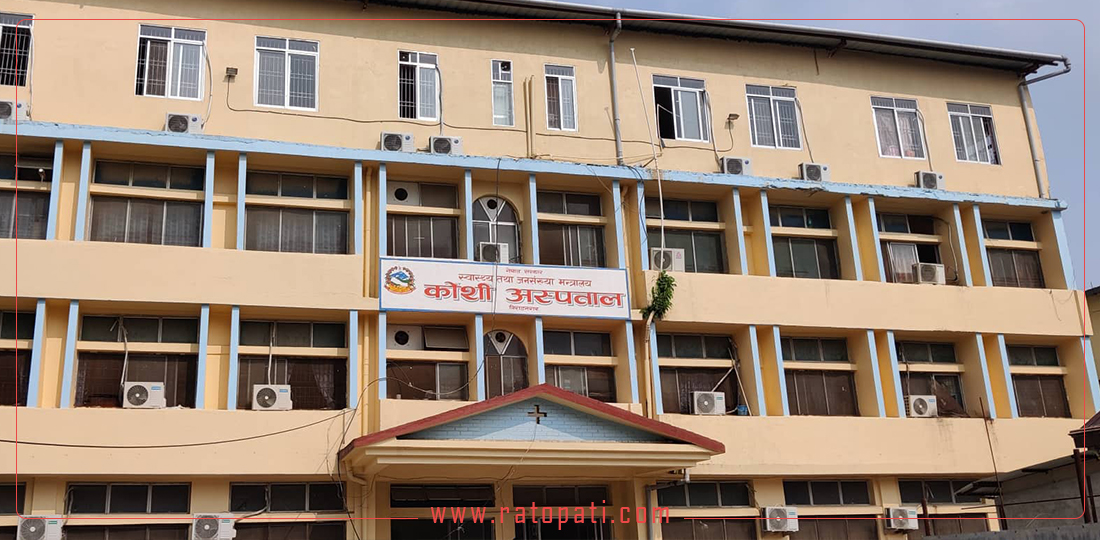
Dr. Anju Dev, Head of the Department of Obstetrics and Gynecology at Koshi Hospital, the largest government hospital in the province located in Biratnagar, informed that patients face the problem of daily blood shortages along with the high patient load. She mentioned that this department is the most affected by blood shortages because obstetric and surgical services are extremely urgent.
“We have an excessive need for blood for patients in obstetrics and surgery,” Dr. Dev said. “But due to shortages, in many cases, we are forced to ask the patient to arrange one bag of blood before admission.” According to her, the hospital has to depend on the Red Cross as it does not have its own blood bank.
“Sometimes, when private hospitals prioritize their own patients, those who are economically weaker or have less access suffer,” she said. Dr. Dev noted that since obstetric services are considered extremely sensitive and emergency services, if blood is not managed in time, the lives of both the mother and the baby can be put at risk.
According to Shivananda Yadav, Chief of the Provincial Blood Transfusion Service Biratnagar and Blood Transfusion Service Officer, the demand for blood in Koshi Province is around 900 to 1,000 units daily. He stated that the demand for blood is particularly high in hospitals in Morang district.
“Since Koshi Hospital, the oldest and largest government hospital in the province, receives patients from distant districts and neighboring Indian cities for treatment, the demand for blood here appears excessive,” Yadav said. “Furthermore, in recent times, as people have been focused on political activities like elections, regular blood donation programs have been sidelined, and the resulting drop in collection has exacerbated the shortage.”
Yadav mentioned that when there was an extreme shortage of blood in Biratnagar, efforts were made to manage it by ordering blood from neighboring cities like Jhapa or Dharan. He stated that due to low collection, the risk of shortage for all blood groups, not just one specific group, always remains.
Stakeholders suggest that the development of a 'regular blood donation culture' in society is essential for the long-term solution to this problem.
This specific news has been automatically translated by AI. As a result, there may be some inaccuracies or language errors.