The Science of Addiction: Why Quitting Smoking Is So Difficult and What Helps


That first cigarette can lead to a lifetime of dependence, pushing you towards cancer, stroke, and heart attack...
Smoking is harmful to health, and you shouldn't do it. Certainly, you know both these things: you've been told this in school, on TV and radio, by doctors, and through the frightening pictures placed on cigarette packs.
However, it is appropriate to reiterate this for two reasons: first, a quick drag from a cigarette outside a tea stall or bar not only incurs long-term health risks but also immediately makes your life worse; and second, cigarettes are still incredibly addictive substances.
Some research shows that about two-thirds of people who try a cigarette once become daily smokers (at least for some time). Similarly, a recent survey in the UK showed that less than one in five people trying to quit smoking succeeded.
It is estimated that people try to quit smoking an average of half a dozen to over a hundred times before they truly succeed. So, what combination of factors makes quitting so hard – and what does this mean for those who want to quit?

Professor Jamie Brown, a health psychologist at University College London, says, 'When you take a drag, you first inhale a toxic mix of nicotine, various stimulants, and carcinogens into your lungs. This stuns the small hair-like structures called cilia in your airways and impairs their function. The next thing that happens very quickly is that nicotine is absorbed from the lungs through the alveoli into the bloodstream, and then it reaches the brain. This is the point where you start to feel good, and this is the main thing that keeps you hooked.'
Essentially, nicotine enters your brain's reward pathway and starts releasing dopamine and serotonin within 10 to 20 seconds of the first drag, giving you a very rapid pleasure response associated with smoking. 'If it took a few hours for that dopamine to be released, people probably wouldn't get addicted,' says Professor Brown.
At the same time, nicotine triggers your adrenal glands and floods your bloodstream with adrenaline and norepinephrine (another hormone essential for the stress response), giving you a momentary burst of energy or alertness. Nicotine levels in the blood peak about 20 minutes later, and then they start to drop.
Professor Brown says, 'In the context of smoking, withdrawal syndrome—the symptoms of restlessness when cigarettes are unavailable—starts very quickly because the body takes only about two hours to metabolize and eliminate 50% of the nicotine. On the other hand, the dopamine receptors of most smokers gradually become desensitized.
So you expect a dopamine release, but you don't get enough, and the feeling of satisfaction disappears very quickly. Interestingly, people often claim to feel better after smoking, but this is a false claim made without understanding the process. In reality, smoking only works to return you to the normal state you would have been in automatically if you hadn't smoked.'
One major consequence of this is that smoking often has a profound effect on mental health because you are in a constant state of restlessness when you don't have a cigarette in your hand. The relationship between smoking and anxiety and depression is complex because it is bidirectional. This means people who have these problems are more likely to start smoking. But at least one large study has shown that if you quit smoking, you can see improvements in your mental health in a very short time.
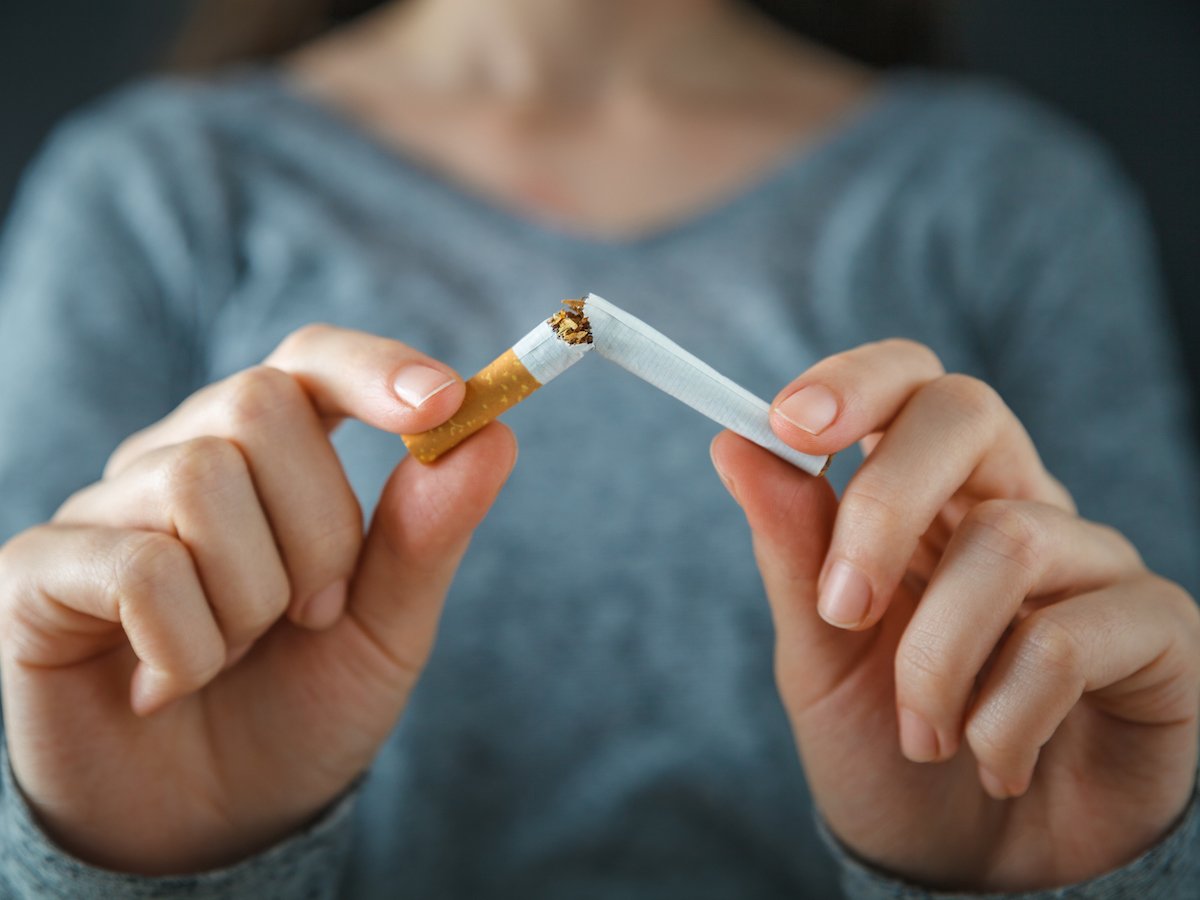
Of course, there are dozens of other disadvantages to smoking. In short: poor reproductive health; bad oral health; increased risk of diseases like stroke, heart attack, type-2 diabetes, or pneumonia; weak bones and immune system; accelerated aging and memory loss. Your red blood cells prefer carbon monoxide in cigarette smoke over oxygen, meaning less oxygen flow to your tissues: in the short term, this can cause shortness of breath, but in the long term, it burdens your heart.
Your blood vessels stiffen, and the inner lining of the arteries is damaged, making it easier for fat to accumulate and form plaque. The hair-like cilia in your airways die. However, some of these can regrow after quitting smoking.
And, undoubtedly, the biggest danger remains.
'You never know at what level of smoking it will cause irreparable DNA damage and cancer,' says Shahab, 'You can think of it as a big game of Russian roulette – some people can smoke for 50 years, and two hundred thousand cigarettes can take their lives.'
For others, this damage can start much earlier. We have studies that clearly show that, on average, smokers die 10 years earlier than non-smokers, and smokers develop age-related diseases sooner.
The good news is that many of these things can be reversed: cosmetic improvements are seen very quickly, while the rest of your health can recover significantly over time. But for all that to happen, you must quit smoking. And, for all the reasons discussed above, it is not easy. So what does the science of addiction say about quitting smoking?
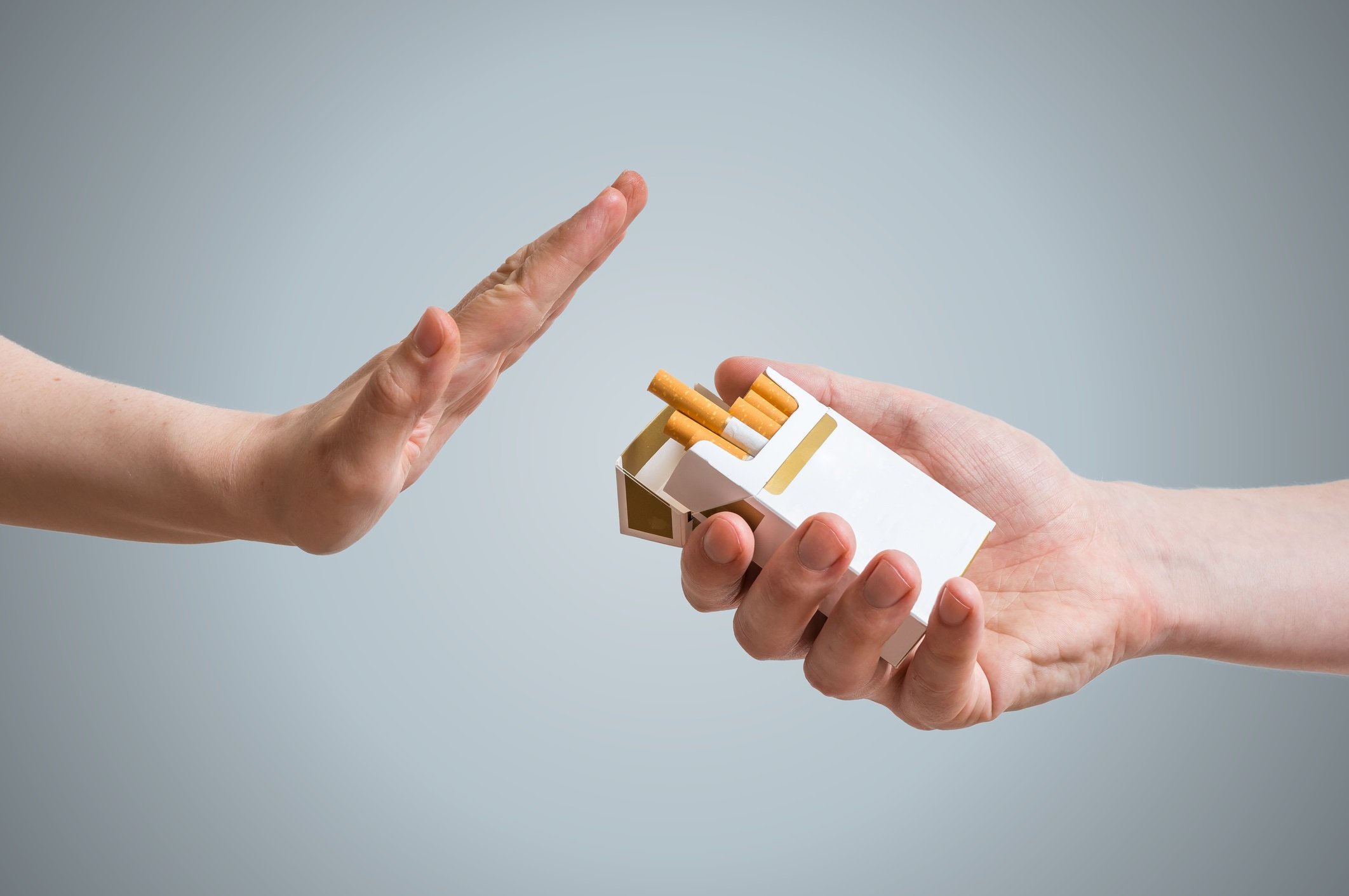
According to the 2023 Cochrane Review, your chances of success are lowest if you try to quit cold turkey: on average, only six out of every 100 people trying to quit smoking succeed without any aid. Nicotine patches, which slow the drug's delivery to the body and thus prevent the high peak of addiction, are considered slightly better: with their use, about nine out of 100 people successfully quit smoking, and this number rises to 12 if used in combination with other aids.
This leaves e-cigarettes/vapes and the prescription medications varenicline and cytisine as the most evidence-based aids. Vapes are effective because they allow you to maintain the habit of taking smoking breaks without the carbon monoxide and tar found in tobacco, but vaping itself can be hard to quit later.
Varenicline and cytisine are partial agonists. They bind to the same receptors in the brain where nicotine normally attaches, and they also release dopamine and serotonin, which reduces the withdrawal symptoms when you quit smoking. But these drugs have another side effect: if you smoke while taking them, you don't feel any pleasure because your nicotine receptors are already occupied. In fact, you are breaking the psychological link between the habit and the pleasure. However, according to studies, even using this method, your chance of success is only 14%.
'Smoking is highly addictive. In some metrics, even more so than heroin or cocaine,' says Shahab. Do not stop trying to quit. Allow yourself to fail and try again. And remember: everyone likes a person who quits such a bad habit.
This specific news has been automatically translated by AI. As a result, there may be some inaccuracies or language errors.