UK Business Leaders Increasingly Rely on AI for Critical Decision-Making, Raising Concerns Over Cognitive Decline

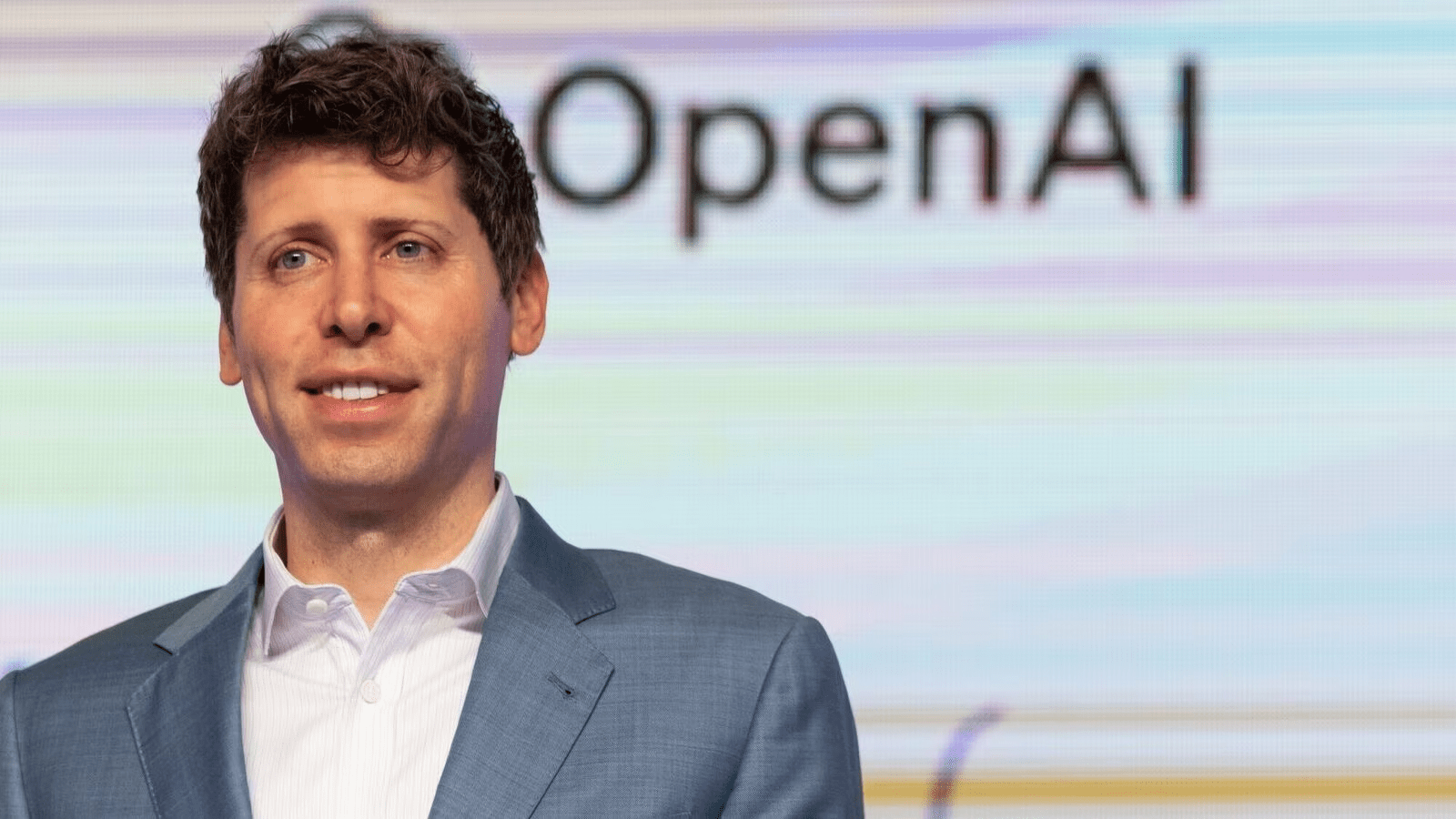
London. With the increasing use of modern technology, the world's powerful business leaders are beginning to entrust their decision-making capabilities to Artificial Intelligence (AI). According to the latest study conducted by market research agency 3Gem, 62 percent of business leaders in the UK are relying on AI chatbots to make important decisions.
A surprising fact emerged from the study involving 200 directors, founders, and CEOs: 46 percent trust AI's advice more than that of their business partners. This dependency has grown to the extent that 140 leaders have started doubting their own judgment when their personal views conflict with AI's recommendations.
A report from last year showed that 64 percent of business people sought AI advice even on sensitive matters like employee dismissals. However, 3Gem's 2025 data indicates that 27 percent are using AI for such tough decisions. Experts warn that this blind faith in AI is gradually eroding human originality and analytical capacity.
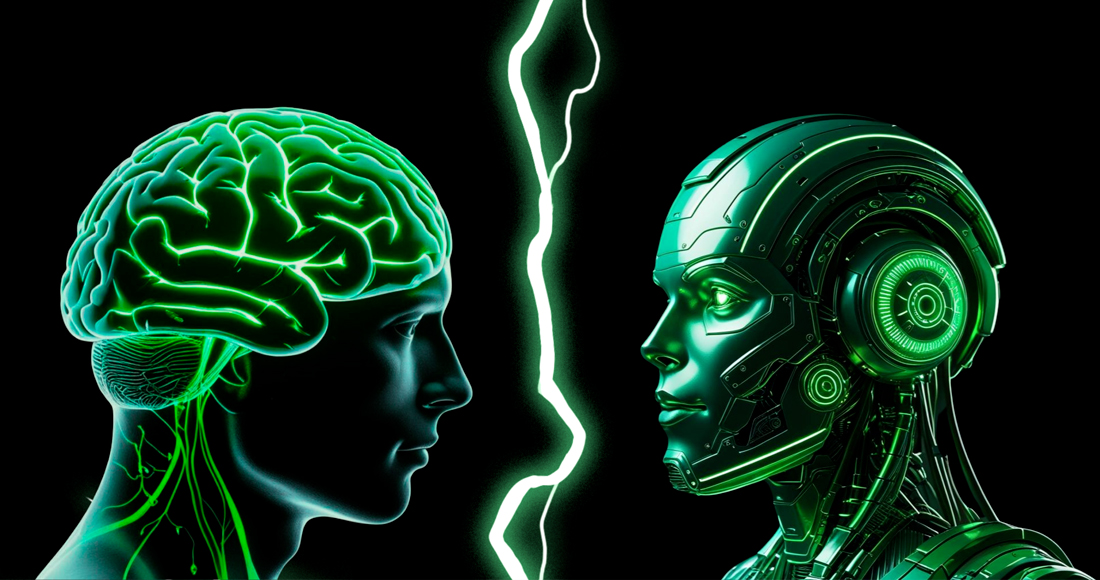
A joint study by Carnegie Mellon and Microsoft concluded that excessive reliance on AI diminishes humans' capacity for deep thought. Experts suggest that when machines appear to be performing well, the human brain stops trying, creating risks similar to a driver in a self-driving car taking their attention off the road.
Danish psychiatrist Søren Østergaard has termed this phenomenon 'AI Psychosis.' It carries the risk of increasing cognitive debt in humans and leading to the loss of reasoning power.
MIT research has also shown that technologies like ChatGPT are destroying the critical thinking skills of young people. Significantly less mental activity was observed in those who rely on AI compared to those who use Google search.
Author Natalia Kasmyn warned that AI is most dangerous for developing children, stating it could cause irreparable damage to their long-term mental development and learning ability.
There is growing global concern that the convenience of technology is making humans parasitic, not just physically but mentally as well.
This specific news has been automatically translated by AI. As a result, there may be some inaccuracies or language errors.