Geopolitical Tensions in Middle East Impact Nepal's Fuel Supply, Experts Urge Infrastructure Overhaul


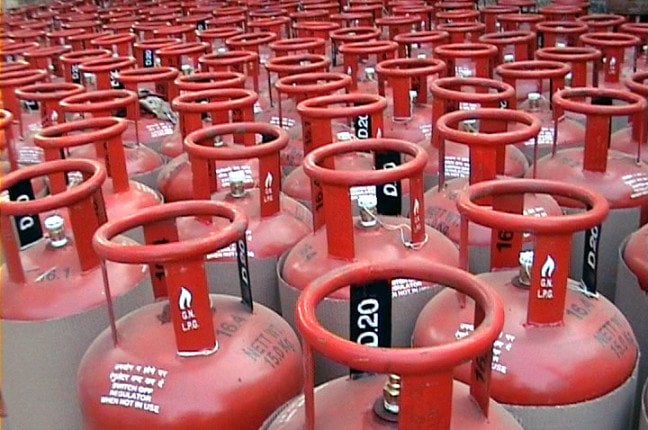
Due to rising geopolitical tensions in the Middle East, the supply of petroleum products and Liquefied Petroleum (LP) gas in the international market has been affected, and this is beginning to have a direct impact on Nepal.
In Nepal, the majority of consumers are facing gas shortages, long waits, and high prices. This crisis is severely affecting Nepali households.
Electricity can be used as an alternative to petroleum products. Similarly, electric stoves can be used for cooking. Using electricity instead of petroleum products is expected to reduce imports and foreign trade. However, stakeholders state that its full implementation is challenging due to existing infrastructure deficiencies.
Stakeholders argue that to overcome the growing energy crisis in Nepal and reduce dependence, it is imperative to increase investment in electricity generation and make extensive improvements to its distribution and transmission infrastructure. For this, the government needs to formulate and implement a clear and long-term energy policy.
Petroleum products (diesel, petrol, LP gas, etc.) constitute a large portion of Nepal's imports. In the fiscal year 2081/82, out of a total import of 18 Kharba 12 crore rupees, petroleum products accounted for 3 Kharba 26 crore 14 lakh rupees. This means petroleum products accounted for 16.81 percent of the total imports.
According to the Trade and Export Promotion Center, in 2080/81, petroleum products accounted for 18.87 percent of the total goods imported worth 15 Kharba 92 crore 98 lakh rupees, with imports of petroleum products valued at 3 Kharba 54 crore 40 lakh rupees.
According to the Center, petroleum products worth 3 Kharba 9 crore 70 lakh rupees were imported in 079/80.
Structural Challenges for Electricity as an Alternative
Using electricity is considered a significant alternative to the petroleum crisis. However, experts suggest that given Nepal's electricity generation status and the capacity of its distribution infrastructure, this alternative does not appear immediately viable.
Although Nepal generates sufficient electricity during the monsoon season, it has to import electricity from neighboring countries during winter. According to the Nepal Electricity Authority, more than 200 MW of electricity is currently being imported daily. Despite the immense potential for hydropower, Nepal remains dependent on electricity imports during winter due to insufficient production caused by a lack of investment.
Sushil Bhattarai, former Deputy Executive Director of Nepal Oil Corporation and a petroleum expert, told Ratopati that while finding an alternative to gas is mandatory in the current situation, haphazard promotion without infrastructure readiness will cause further problems.
“If everyone starts using induction stoves at once, claiming we have enough electricity, the current infrastructure cannot handle it,” Bhattarai said.
According to him, most transformers, transmission lines, and sub-stations in Nepal are not capable of handling the additional load from induction stoves. He suggested upgrading the electrical infrastructure through piloting (testing) in small, specific areas, such as Ward No. 1 of Kathmandu.
Need for Integrated Energy Policy and Storage
Expert Bhattarai analyzed that the lack of an integrated energy policy in Nepal and the tendency for policies to change with government transitions have prevented long-term planning in the energy sector. He stated that delays and disputes in constructing storage facilities always cause suffering for consumers during a crisis.
_f391OLXH3E.jpg)
Arguing that LP gas should not be completely eliminated, Bhattarai cited the example of developed countries like Japan, which keep LP gas as an emergency backup. He stated that gas is the most reliable alternative when transmission lines are cut during natural disasters like major earthquakes or landslides. Therefore, he emphasized that Nepal should manage electricity as the primary fuel and gas as an emergency reserve. He expressed concern over the growing 'panic buying' among consumers and urged the government to invest in infrastructure for long-term solutions.
Focus on Electricity Generation and Infrastructure for Self-Reliance
Ganesh Karki, President of the Independent Power Producers' Association, Nepal (IPPAN), also stressed the need to increase the use of domestic electricity as an alternative to petroleum gas. He pointed out the risk of Nepal's kitchens being affected by even minor disruptions in the international market. “When there is chaos in the international market for petroleum products, we might reach a situation where we cannot even cook food,” Karki said. He stated the necessity of generating enough electricity year-round for cooking, running vehicles, and operating industries.
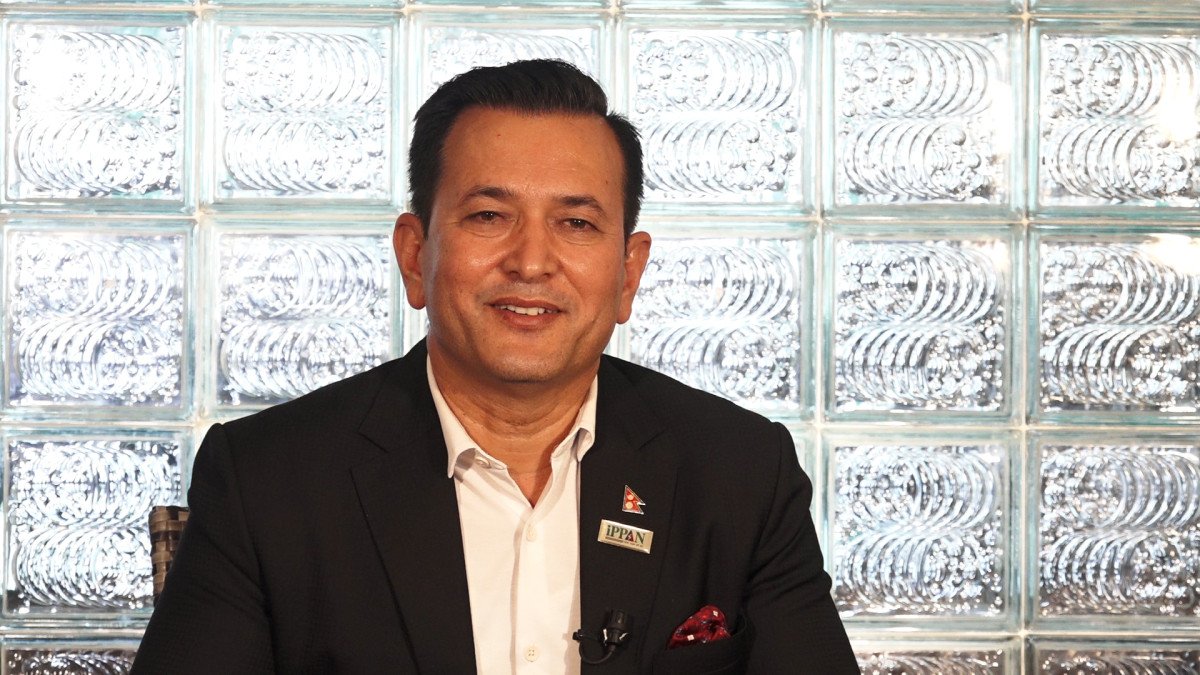
President Karki highlighted the need for significant improvements in the distribution and transmission system alongside electricity generation. He noted that the current transmission lines and transformers in major cities like Kathmandu cannot handle additional load. “If everyone cooks with electricity, the current distribution system and transformers will not sustain it,” Karki said. “The government must immediately focus on replacing transformers and increasing capacity.”
Karki mentioned that the Rastriya Swatantra Party (RSP), which will be in the next government, has set a target to increase per capita electricity consumption to 1500 kWh, and to meet this goal, production and distribution must proceed together. He stated that achieving self-reliance in electricity would improve the agricultural sector and allow Nepal to earn economic benefits by exporting surplus electricity to countries like India. Karki particularly emphasized that Nepal must strengthen its own energy capacity to avoid the impact on global petroleum supply caused by problems arising in oil-producing nations like Iran.
In the first seven months of the current fiscal year, petroleum products worth 1 Kharba 80 crore 74 lakh rupees were imported.
This specific news has been automatically translated by AI. As a result, there may be some inaccuracies or language errors.