Results of House of Representatives Election Show Declining Representation for Marginalized Communities, Especially Dalits


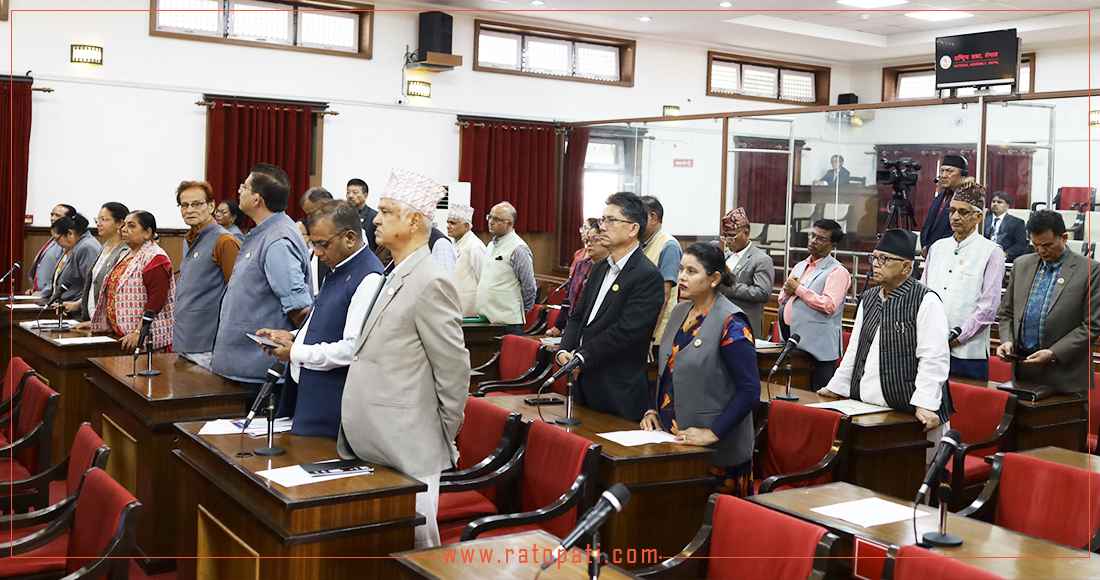
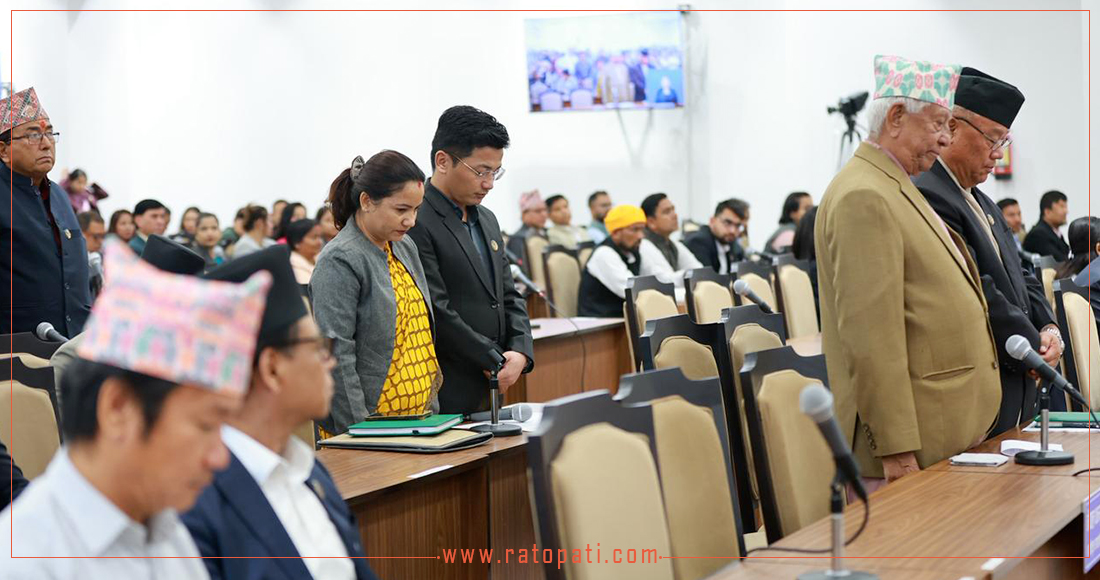
Kathmandu. The results for both the first-past-the-post and proportional representation categories of the House of Representatives elections have been announced. The Rastriya Swatantra Party (RSP) emerged as the first party, followed by the Nepali Congress in second, CPN (UML) in third, and the CPN (Maoist Centre) in fourth place.
The representation of marginalized communities appears weak this time. Out of 165 seats in the first-past-the-post category, only 14 members (8.48 percent) belong to these groups: Indigenous Nationalities account for 26 (15.76 percent), Madhesis for 28 (16.97 percent), Tharus for five (3.3 percent), Muslims for four (2.42 percent), and Dalits for only one member (0.61 percent).
Within the marginalized groups, the representation of the Dalit community, which constitutes 13.4 percent of the population, looks even weaker. Looking at the votes secured by parties in the proportional representation category, nine individuals (seven women, two men) from RSP, three individuals (two women, one man) from the Nepali Congress, one Dalit woman each from UML and CPN (Maoist Centre) are expected to be elected under the Dalit cluster, totaling 14 members. This accounts for a maximum of five percent.
In contrast, the Interim Legislature-2063 saw the participation of 18 (5.47 percent) Dalits. This number increased to 50 (8.32 percent) in the Constituent Assembly of 2064 BS. Similarly, it was 40 (6.65 percent) in the Constituent Assembly of 2072 BS, 20 (7.27 percent) in the House of Representatives 2074, and 16 (5.81 percent) in the House of Representatives 2079. Looking at this data, it is certain that the representation of the Dalit community in the House of Representatives is decreasing.
The commitment mentioned in the preamble of Nepal's Constitution of 2072 BS—'to build an egalitarian society based on the principle of proportional inclusion and participation'—has failed to achieve practical fulfillment. In this election, the Nepali Congress nominated only one candidate, Prakash Rasaili Snehi, the Joint General Secretary, from Bajhang. UML nominated Chakra Snehi from Dadeldhura and Bimala BK from Bardiya-2.
Likewise, the CPN (Maoist Centre) only gave tickets to Padam Bishwakarma from Syangja-2 and Man Bahadur Sunar from Kanchanpur-3. The Rastriya Swatantra Party (RSP) nominated Khagendra Sunar from Banke-3. Among them, only Khagendra Sunar has been victorious.
Nepal's Constitution of 2072 BS addressed the participation of the Dalit community for the first time. Article 40 of the Constitution states, 'Dalits shall have the right to participate in all bodies of the state on the basis of proportional inclusion.' However, its practical implementation is not evident.
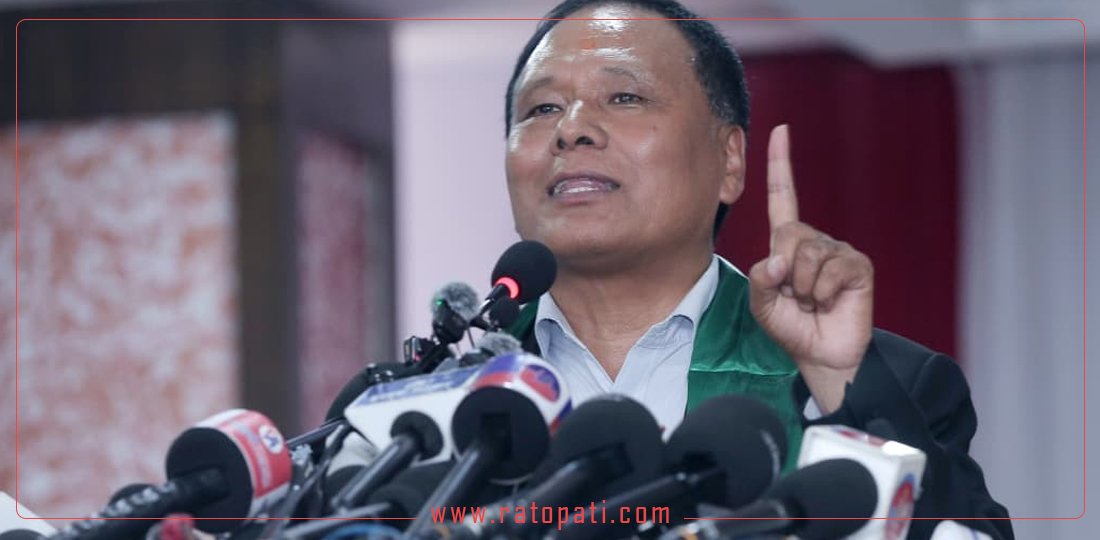
Dalit rights activist Padam Sundas says, "To ensure the representation of the Dalit community, there must be a constitutional and legal provision based on their population, similar to the 33 percent provision for women."
This specific news has been automatically translated by AI. As a result, there may be some inaccuracies or language errors.
_rUe99W5q2c.jpg)