Global South cooperation must avoid geopolitics trap

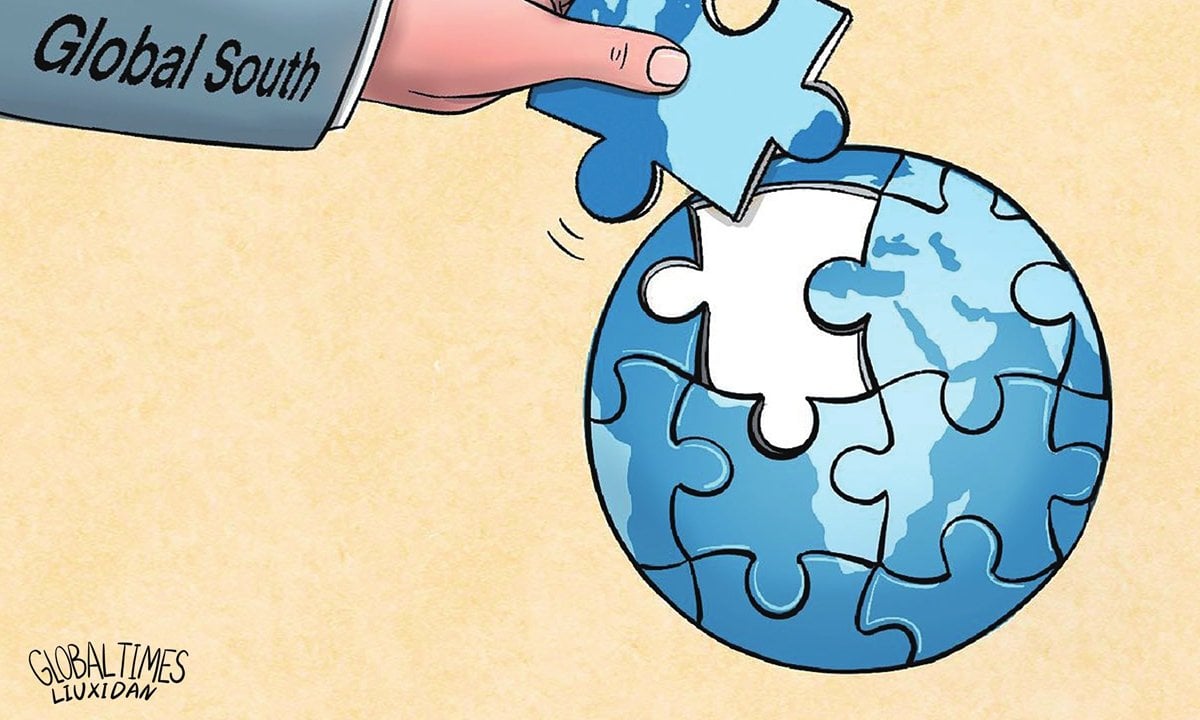
Illustration:Liu Xidan/Global Times
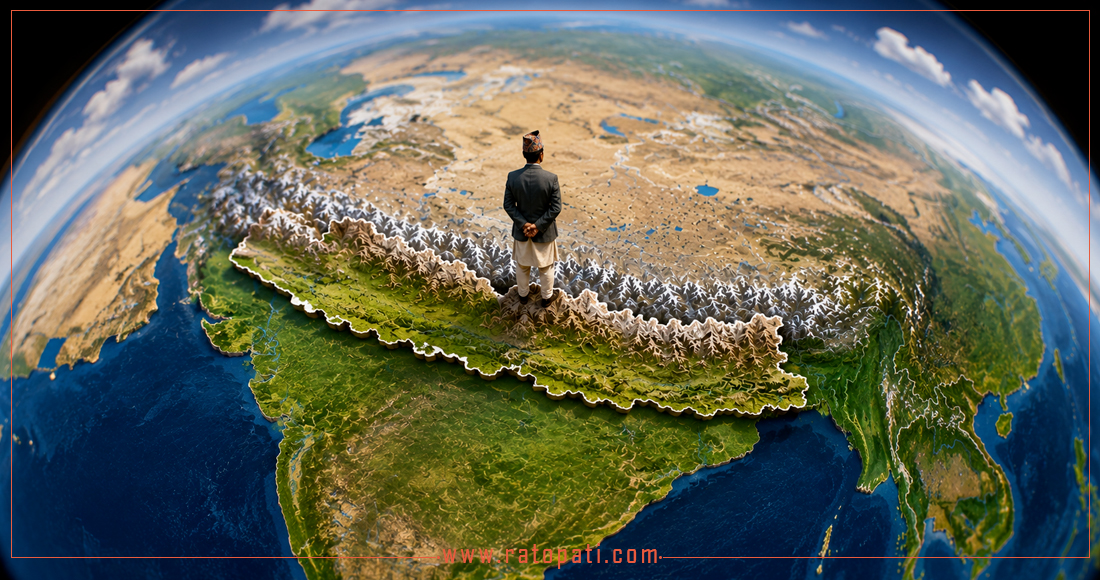
The Global South, with its growing impact on the international global economic and political stage, has emerged as a pivotal force driving international open development and cooperation. Nevertheless, it is imperative to ensure that the development of the Global South is not derailed by any geopolitical game.
Indian Prime Minister Narendra Modi on Saturday proposed the creation of a human-centric "Global Development Compact" for the Global South to facilitate trade, technology sharing and concessional financing, PTI reported.
The new initiative, which was announced at the third India-hosted virtual Voice of the Global South Summit, was seen by some Indian media outlets as a potential alternative to the China-proposed Belt and Road Initiative (BRI).
While the details of the initiative remain unclear, it seems to be about finance and trade, according to media reports. Yet, given the severe trade and investment barriers India has imposed on Chinese companies, what can we expect from the new initiative? South-South cooperation needs concrete actions - not lip service - to really promote cooperation for win-win outcomes.
It is undeniable that India holds a crucial position within the Global South, and that its active involvement in global South-South cooperation is of great significance for promoting cooperation among developing countries.
The Global South countries account for more than 40 percent of the world economy, so they have become a significant force in global development, particularly amid growing protectionism.
India's role in this process is pivotal, but for it to give this role full play, India needs to align its mind-set with the principles of South-South cooperation - that is, open, inclusive and mutually beneficial - rather than being carried away by the Western hype of geopolitical discord.
There has been a growing trend of promoting cooperation among Global South countries. Malaysia and Thailand have declared their intentions to join the BRICS cooperation mechanism. Also, Brazilian President Luiz Inacio Lula da Silva has revealed that his administration was putting together a proposal to join the BRI.
But at the same time, due to fears of losing global hegemony, the US and some other Western powers are trying to sow discord among Global South countries, hindering their ability to work together toward shared objectives. Some Western think tanks and media outlets often link topics related to the Global South to geopolitical struggles, such as the perceived competition between China and India for influence in the Global South.
For instance, in an article published in Foreign Affairs in December 2023, US think tank the Council on Foreign Relations claimed that "India and China are competing to shape the future of the Global South - and if Washington helps New Delhi achieve a bigger role among these states, it could weaken the appeal of a Chinese-led order."
But South-South cooperation should never be seen as a stage for geopolitical rivalry, but rather a platform for shared development and prosperity. It is undeniable that China's economic achievements have greater appeal to many Global South countries, and there is also great potential for cooperation under various mechanisms and initiatives among them. It needs to be pointed out that however China's economy fares or the international landscape evolves, China will always be a member of the Global South.
As major developing countries, China and India have the potential to collaborate with other countries to improve coordination and cooperation on development issues in the Global South. China has actively participated in South-South cooperation by assisting countries in the Global South through technology transfers, development aid and infrastructure projects.
India, as another major player in the Global South, also needs to define its role by not only focusing on the benefits it can and will receive from cooperation but also on the contributions it can and should make, such as infrastructure, investments and collaborative support. It is also essential for large markets like India and China to adopt a more inclusive and open approach.