Iran's morality police to resume headscarf patrols

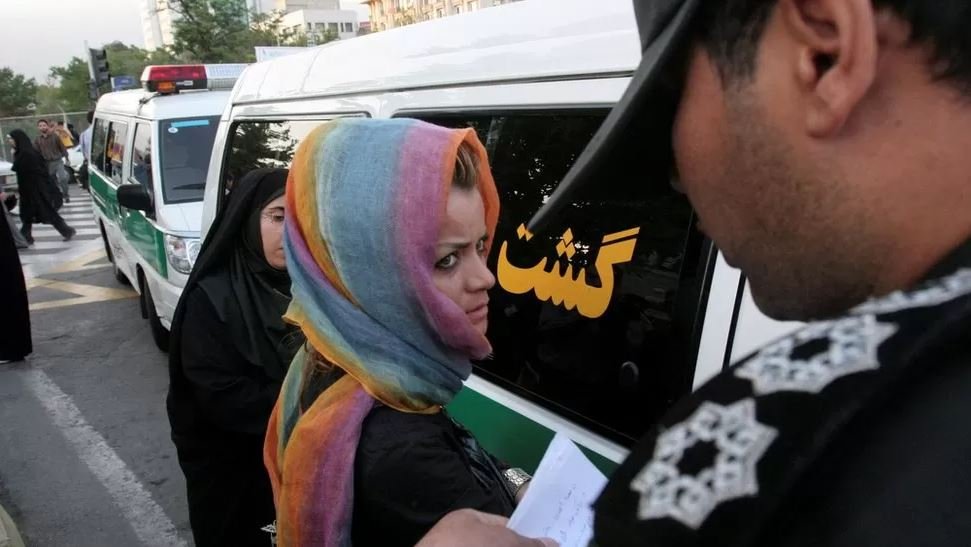
July 17: Iranian police are resuming controversial patrols to ensure women obey dress codes and cover their hair in public, state media reports.
The "morality police" will return to the streets to enforce Iran's hijab laws, a spokesman said on Sunday.
It comes 10 months after a young woman, Mahsa Amini, died in custody following her arrest in Tehran for allegedly breaking the dress code.
Her death triggered massive national protests and the patrols were paused.
However, Islamic hardliners have been demanding that the patrols be resumed for some time.
Under Iranian law, which is based on the country's interpretation of Sharia, women must cover their hair with a hijab (headscarf) and wear long, loose-fitting clothing to disguise their figures.
The morality police unit is tasked with ensuring those rules are respected and detaining people who are perceived to be "improperly" dressed.
During the patrols, officers will first warn women who are not complying with the rules, police spokesman Saeed Montazerolmahdi said, as quoted by the hardline Tasnim news agency.
If they disobey orders, police may then opt for "legal action", he added.
Mahsa Amini, 22, was visiting the capital Tehran with her family last September when she was arrested by morality police and accused of wearing her hijab "improperly".
She collapsed after being taken to a detention centre to be "educated". At the time, there were reports that officers beat Amini's head with a baton and banged her head against one of their vehicles.
It enraged millions of Iranians - leading to months of violent anti-government protests across the country, that saw nearly 600 protesters killed, including several state executions.
In the months following the protests, many women stopped wearing hijabs altogether. It was the biggest outright challenge to the rule of the clerics in Iran since the 1979 revolution.
Videos posted on social media suggest that, until recently, the sight of women not wearing hijabs was becoming more commonplace.
But in turn, the Iranian authorities brought in stiffer punishments, including forcing businesses to close if they did not comply with the hijab laws.
Although the protests drew out huge numbers of Iranians, some people still staunchly support the strict dress code.
Earlier this year, a video emerged showing a man throwing a tub of yoghurt in the face of two unveiled women. His action was met with outrage by male and female bystanders, and he was later arrested - but so were the women.
Speaking to the Reuters news agency, university student Ismail said she did not think the authorities would be able to reimpose the dress codes.
"They cannot impose it like before - the number of people who do not obey is too high now," she said. "They cannot handle all of us, the last thing they can do is use violence and force against us. They cannot do it."
Iran has had various forms of "morality police" since the revolution. This latest version, known formally as the Guidance Patrol (Gasht-e Ershad), began its patrols in 2006.
It is unclear how many men and women work for the force, but they have access to weapons and detention centres, as well as what are called "re-education centres".
In response to Iran's violent crackdown on protesters, the UK and other Western countries imposed sanctions on the morality police and other top security figures last year.
(BBC)