Government and Private Sector Discuss Good Governance in Nepal


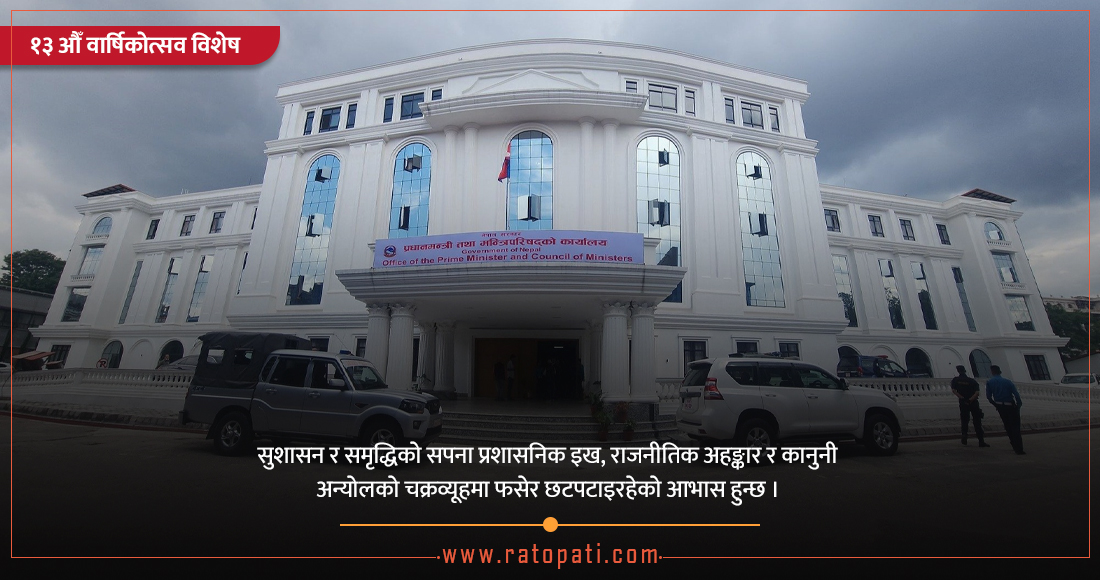
Kathmandu. The government led by Balendra (Balen) Shah has taken its first year as the 'Year of Good Governance'. Replying to questions from MPs in the House of Representatives meeting on Jestha 17, Prime Minister Shah had said, 'We have called the first year the year of good governance. The government is committed to eradicating the irregularities and eliminating the corruption that has taken deep roots.'
Finance Minister Dr. Swarnim Wagle has also been reiterating the issue of good governance. Asserting that the government has made good governance a top priority, he has been expressing that the private sector should also be within good governance.
A study on 'Contribution of the Private Sector to the Economy' conducted by the Federation of Nepalese Chambers of Commerce and Industry in 2023 showed that the private sector's contribution to Nepal's Gross Domestic Product is 81 percent. The private sector provides 85 percent of the country's total employment.
After the economic liberalization of 2048 BS, the number of industrial establishments has increased from 28,000 to over 900,000, with the study showing the private sector as the main basis for this. In this sense, good governance is an equally responsible issue for the private sector as it is for the government sector.
However, the private sector states that it is the state's responsibility to establish good governance and simplify service delivery. While the private sector should also be committed to good governance, the government's responsibility for overall good governance is greater, according to the private sector and good governance experts.
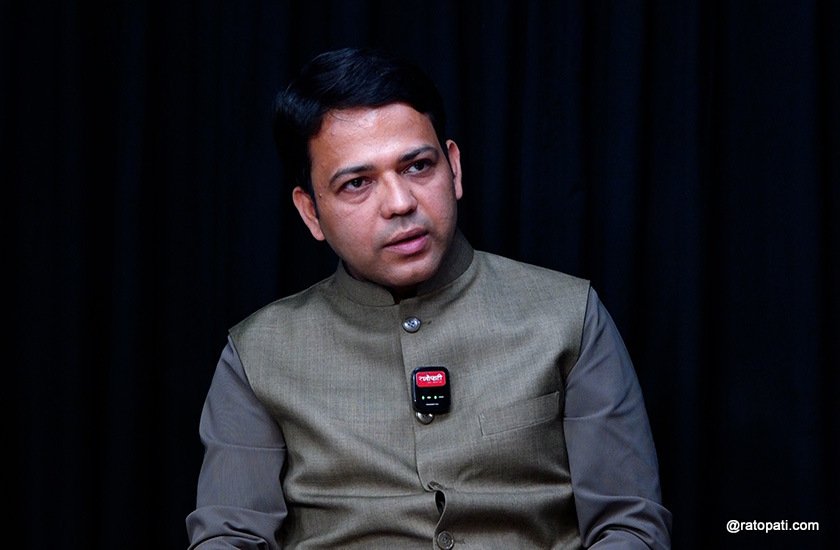
Vice-Chairman of the National Planning Commission, Gunakar Bhatta, said that the private sector's contribution to Nepal's economy is significant. He mentioned that the tendency to seek special facilities through policy influence (rent-seeking) should be abandoned. He clarified that the main problem of the private sector is seeking facilities favorable to its interests by manipulating policies.
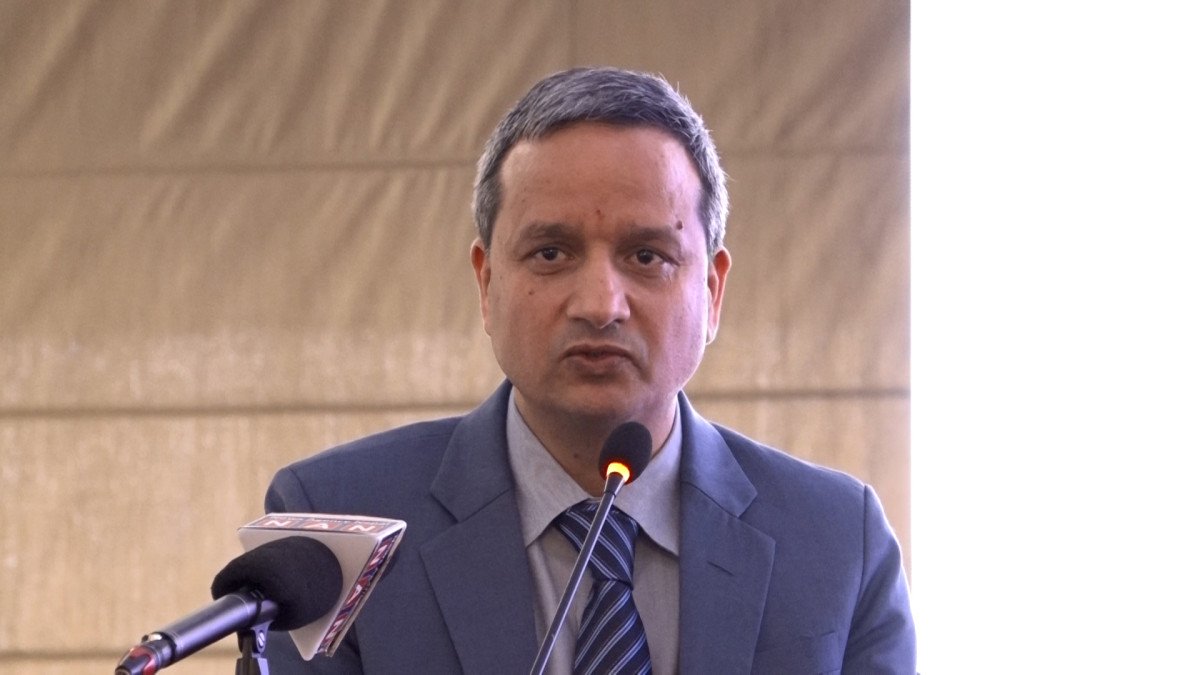
Although the private sector has played a remarkable role in the liberalization and policy reforms of the past three-four decades, Vice-Chairman Bhatta said that it is necessary to move away from such bad habits, as there are some tendencies in society to view this sector critically. According to him, the private sector should not encourage rent-seeking behavior by unnecessarily lobbying for policies and regulations.
He also stated that the private sector needs to move beyond the tendency to focus on 'speculation' rather than productive investment. Citing the example of the 'fishing with dynamite' concept that gained prominence after the 2008 global financial crisis, he clarified that both the private sector and the state should stay away from activities that cause long-term damage for short-term gain.
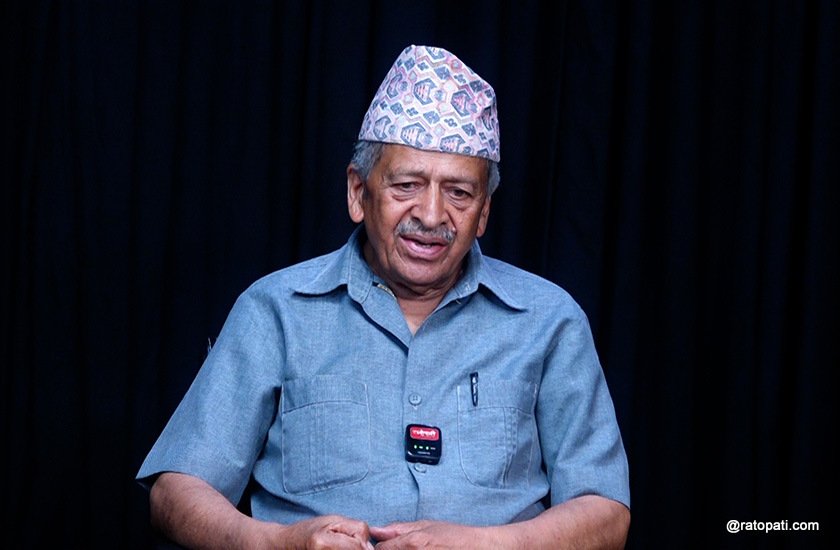
Former Secretary of the Government of Nepal, Dr. Man Bahadur Bishwakarma, said that while the private sector's role in Nepal's economic prosperity and development is most important, there are weaknesses in internal good governance. He emphasized that the state should facilitate policies and the private sector should focus on institutional good governance to establish overall good governance in the country.
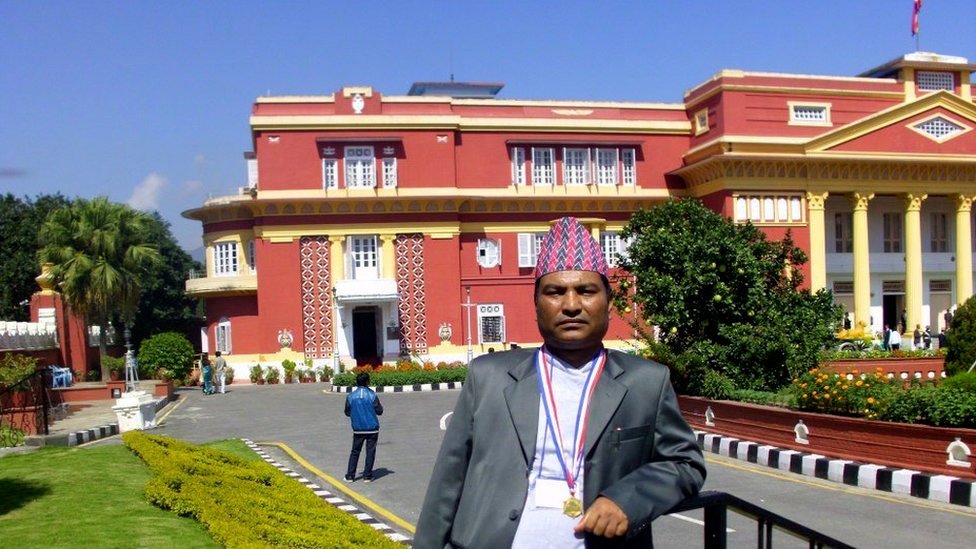
Former Secretary Dr. Bishwakarma said that the private sector, which accounts for about 81 percent of the country's economy, should pay special attention to internal good governance (corporate governance). Stating that the private sector's good governance is to fully comply with the laws of the state, he emphasized the need to end 'crony capitalism' and the intermediary tendency.
'The private sector must demonstrate good governance in its treatment of workers, in the interest of consumers, and in pricing. Selling substandard goods, adulteration, or cheating on weight must stop. This is still happening. The private sector must be vigilant in these matters. The role of the private sector is greater in strengthening good governance,' said Dr. Bishwakarma.
He said that Nepal's economy is dependent only on imports and consumption, and for prosperity, the private sector needs to increase investment in productive industries rather than trade.
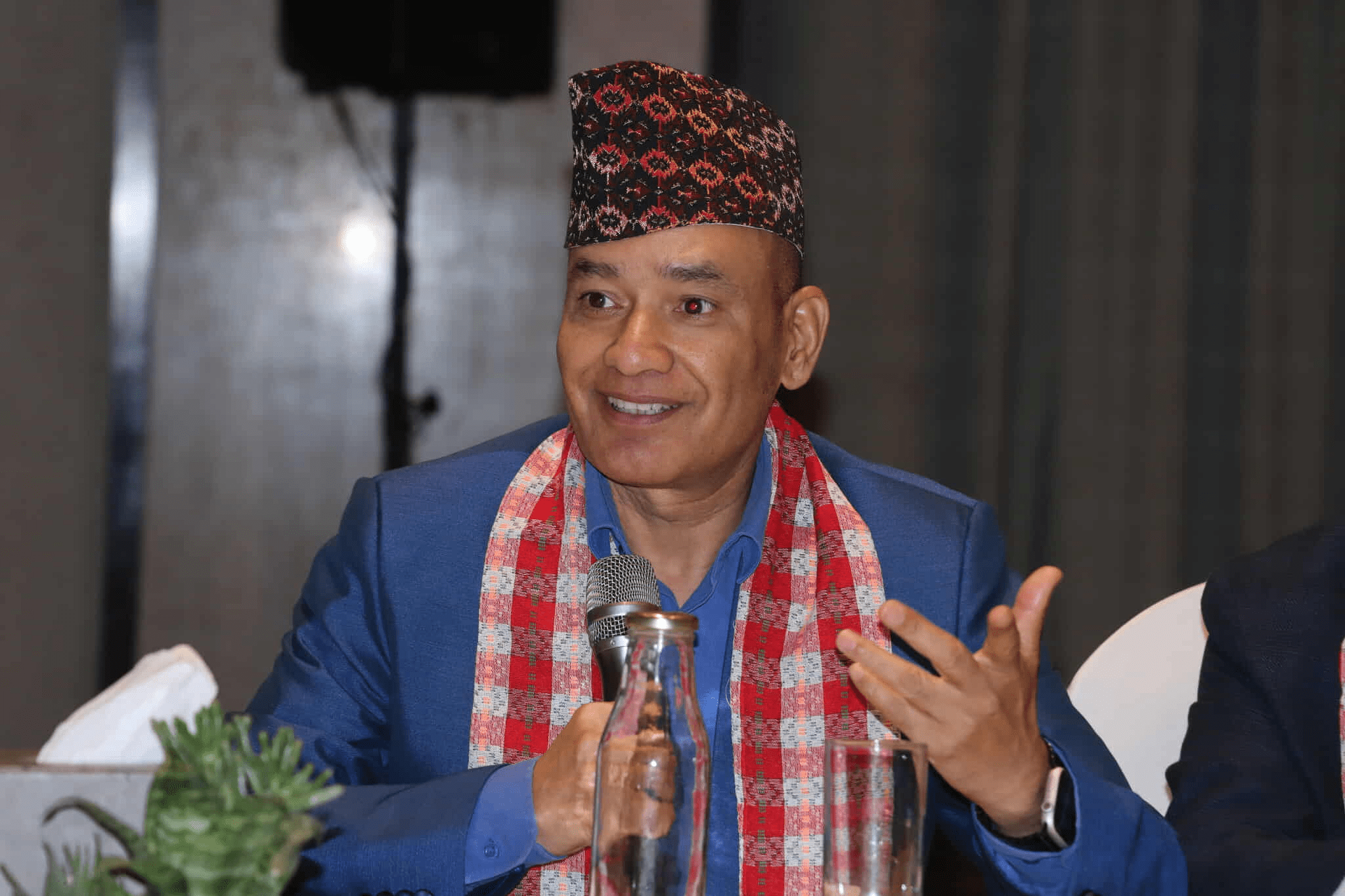
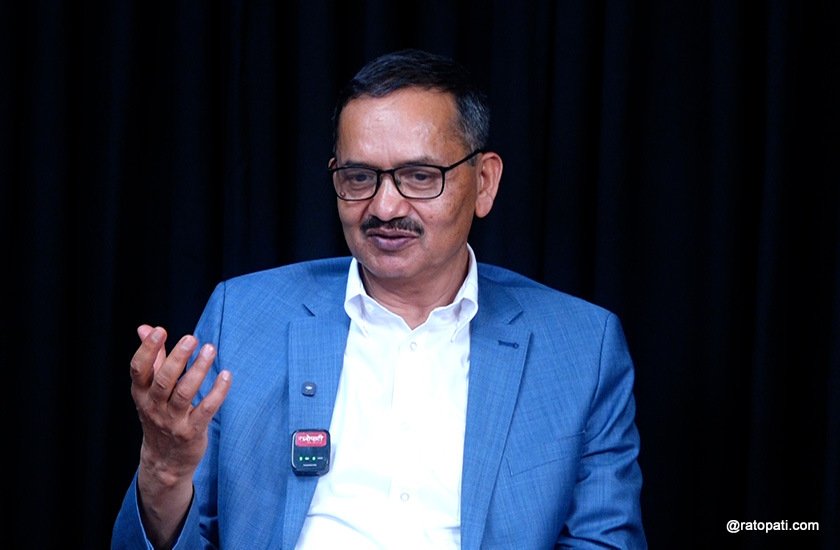
Similarly, economist and former executive director of Nepal Rastra Bank, Nar Bahadur Thapa, said that the private sector's contribution to the country's good governance and prosperity is significant. He pointed out the need to make the trade-oriented economy production-oriented. He stated that the primary responsibility for establishing good governance lies with the state mechanism.
Thapa said that since the private sector operates within the laws and framework of the state, the state should provide policy clarity and infrastructure development. 'In terms of good governance, the government mechanism has a greater role than the private sector. In some cases, the private sector is defamed due to intermediaries, but the state is responsible for good management,' Thapa said. 'If the state provides infrastructure, public services, and facilitation, the private sector will create employment, produce, export, build capital, and distribute.'
He said that the government should facilitate the provision of grants and capital to encourage the private sector.
Former President of the Federation of Nepalese Chambers of Commerce and Industry, Bhawani Rana, said that although good governance is also the responsibility of the private sector, it is primarily the government's responsibility. She asserted that if the state establishes good governance, the private sector will automatically adhere to good governance.

Rana said, 'The private sector has played an important role in establishing good governance in the country. Facilitating and complying with the policies taken by the state is also good governance. Except for a few, the overall private sector is working within good governance without going beyond the state's policies and rules.'
Former President Rana stated that good governance will be automatically established if the state makes its service delivery faster and hassle-free.
Former President of the Nepal Chamber of Commerce, Rajendra Mall, said that the main responsibility for establishing good governance and making service delivery efficient lies more with the government than with the private sector. He said that the main job of the private sector is only to do business within the country's laws and discipline.

He said, 'We earn some money and pay taxes to the government. There are laws and regulations to take action against anyone who commits wrongdoing. The government should provide an environment for businessmen to work spontaneously. The state should discourage the tendency to get rich overnight by taking the elevator or engaging in manipulation.'
He stated that problems in good governance arise due to a lack of consistency between words and actions. He said that in the past governments, although good policies came, due to unclean intentions, manipulation occurred internally.
Mall said, 'As far as good governance is concerned. This is a matter related to government service delivery. When we import goods from abroad, sometimes the computer hangs at customs. Sometimes, due to excuses like 'no staff', goods are held up at customs for months.'
He clarified that good governance will be established only if the government's policies and intentions are clear and service delivery is efficient. He explained that the government's tendency to keep things entangled is the main root of bad governance.
Businessman Shashikant Agarwal said that if the government's policy is to encourage the private sector, the private sector will not go outside of good governance. He asserted that the private sector implements good governance rather than establishing it. 'Good governance is not something the private sector gives, but rather it is about following the policies and rules made by the state. The private sector contributes to good governance by following those policies. It has been doing so so far,' he said.
Similarly, Senior Vice President of the Nepal Chamber of Commerce, Deepak Malhotra, also clarified that good governance is a matter for the state to establish, not the private sector. Stating that the private sector complies with the good governance established by the state, he said, 'The private sector wants good governance to be established in the country. For that, the role of the private sector is to strengthen good governance by complying with the policies and rules taken by the state.'

He said that high tax rates have led to the flourishing of the informal economy. 'The lower the tax rate, the more people will come into the formal economy, and problems like under-billing will be resolved on their own. Good governance also helps to function there,' he said.
Role of the Private Sector in Good Governance
In principle, good governance is a collective form of accountability, transparency, rule of law, inclusivity, and responsibility. The main direction of the private sector should be to invest and gain fair profits, believe in fair competition, facilitate supply chains, prioritize consumer interests, and honestly fulfill tax obligations to the state.
For economic reform, the government creates a suitable environment, and the private sector brings in foreign investment and technology to lead the country on the path to prosperity. The effectiveness of the private sector is seen only when it advances corporate governance and social responsibility alongside business profits.
The private sector in Nepal has positioned itself as an alternative in situations where the state's capacity is insufficient or government service delivery is extremely weak.
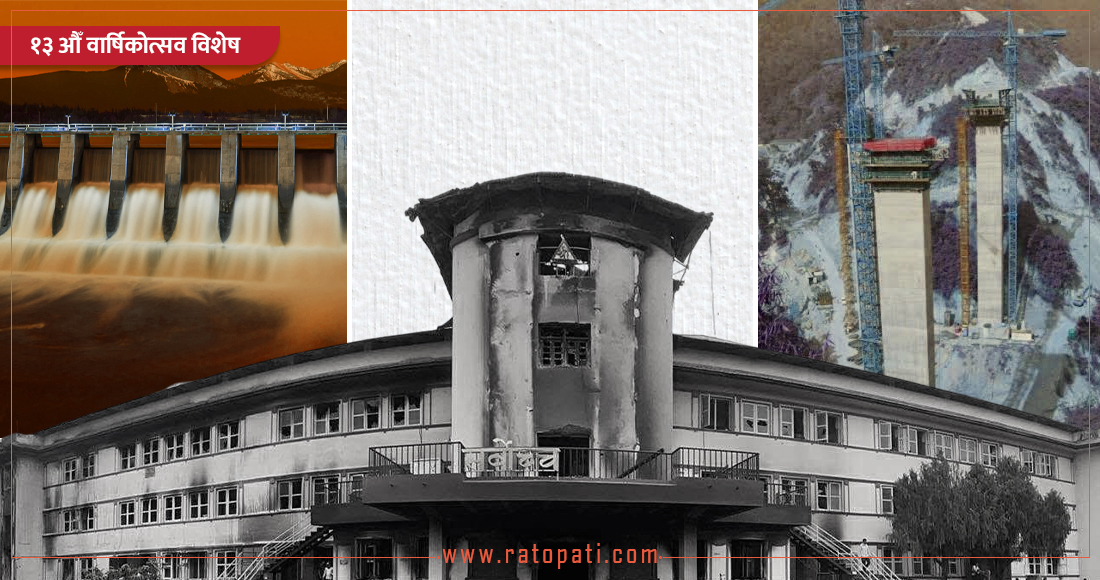
The contribution of the private sector in the hydropower sector is revolutionary. The fact that the country is now free from load shedding and even exporting electricity can be considered a major reason for the private sector's investment of trillions and risk-bearing capacity.
Similarly, the private sector has made significant investments in essential services like education and health, breaking the government's monopoly. Although there are complaints that these services are expensive, they have largely reduced the compulsion to go abroad for quality services.
In other sectors like banking, insurance, tourism, aviation, and communication, the technology and professionalism introduced by the private sector have brought citizens closer to modern services. A large portion of the state's total revenue and employment for millions of youth depend on the private sector.
Policy Corruption
The biggest deviation of the private sector has been seen in policy corruption. By adopting a 'venue shopping' strategy in state policy-making, the private sector has been expanding its undue influence to the executive, legislative, and even judiciary.
Fair competition was stifled by the dominance of limited interest groups. Some large business houses even resorted to extreme financial temptations to individuals, MPs, and ministers running the state to create laws favorable to themselves.
Serious crimes such as some businessmen entering parliamentary thematic committees as MPs and changing clauses of laws in a 'conflict of interest' manner are happening under the guise of democracy.
'Those who make mistakes must be severely punished according to the law. The Chamber of Commerce never defends wrongdoing, but it is wrong to blame the entire private sector for the mistakes of a few individuals.'
The main basis of good governance is adherence to the rule of law, but instead of operating businesses faithfully to the laws made by the state, the private sector is also accused of finding loopholes in the law and influencing regulatory bodies.
The practice of using fake VAT bills to evade taxes, under-invoicing at customs, and seeking political cover to avoid the scope of money laundering has been prevalent. Transparency was not even adopted in the public disclosure of the annual financial statements and business status of some companies.
Businessmen also agree on this issue. Former President Mall of the Chamber said that since all people in society are not the same, some businessmen are involved in such activities. He admitted that a few individuals in the private sector have acted with malicious intent.
He said, 'Those who make mistakes must be severely punished according to the law. The Chamber of Commerce never defends wrongdoing, but it is wrong to blame the entire private sector for the mistakes of a few individuals.'
He said that if the government facilitates policy-wise, transparency will increase, and the accusation of crony capitalism will disappear on its own.
Similarly, former President Bhawani Rana of the Federation admitted that in the past, a few individuals or conglomerates colluded with political leadership to create policies in their favor, exploit state resources, and establish monopolies. She said, 'In reality, more than 90 percent of businessmen are honestly paying taxes, enduring various government hassles, and trying to do something in the country, but the stigma of crony capitalism has overshadowed our contribution. We must focus on internal good governance to wash away this stigma and win the trust of the people.'
The Dark Side of Deviation
Despite doing hundreds of positive things for the country, the private sector sometimes fails the test of good governance. The private sector, considered the engine of the economy, has been accused of becoming an accomplice to bad governance in some instances.
The role played by the private sector in running the engine of the economy cannot be ignored, but the reality that this engine has been emitting more black smoke of bad governance than production in the past cannot be hidden.
While investing and gaining fair profits, believing in fair competition, and fulfilling obligations to the state should be the main direction of the private sector, there are instances where some people in Nepal's private sector are inclined to engage in bad governance in collusion with political powers rather than good governance and prosperity.
The fraud seen in facilitating foreign employment, the chaos in the financial sector (cooperatives and microfinance), and the embezzlement of public savings reflect bad governance.
Instead of believing in competition, the private sector has woven a strong web of cartels and syndicates in Nepal. Instead of ensuring easy supply, artificial shortages have been created in the market, and black marketing has occurred repeatedly by causing unnatural price hikes.
Although there has been private investment in sensitive sectors like education and health, state regulation has not reached there. As a result, people are forced to receive extremely expensive and, in some cases, exploitative services. The tendency to view the public as a cash cow rather than citizens still prevails.
Some individuals and establishments in the private sector fail to fulfill their responsibility of completing public works, for which they have taken contracts from the state, with quality and on time. Irregularities such as grabbing contracts, not completing work on time, engaging in commission games, and constructing with substandard quality are examples of this.
The fraud seen in facilitating foreign employment, the chaos in the financial sector (cooperatives and microfinance), and the embezzlement of public savings reflect bad governance.
Challenges and Lack of Business Environment
The state's weakness is equally responsible for the private sector's failure in good governance. Nepal still lacks an investment-friendly environment for doing business.
Labor problems, unstable policies and regulations, administrative hassles, strikes, and extortion make it difficult for honest businessmen to survive. When regulatory bodies themselves are corrupt, a false narrative has been established that those who arrange settings progress faster than those who do business honestly.
Nepal's private sector is far behind in innovation and technology adoption. This increases production costs and weakens competitiveness in the international market.
The weak state of economic diplomacy has prevented the inflow of foreign investment and technology, causing the country to fall into a dangerous trade deficit.
Prosperity is not just about increasing GDP; it is linked to the happiness, satisfaction, freedom, and quality of life that citizens receive. The needs of the citizens can only be met through a close relationship between the government and the private sector. However, as long as policy corruption, which is rampant in both the public and private sectors, is not ended, the country cannot escape the vicious cycle of economic recession.
Development, good governance, and prosperity are not purely administrative management. They are tasks to be accomplished from political and economic perspectives. If Nepal's economy is to be saved now, attention to the following is imperative.
The private sector should not consider profit as the sole priority and should publicly disclose its annual financial statements and business status transparently. Professional ethics must be fully observed, and labor respect for workers must be ensured.
The government and regulatory bodies must immediately stop the practice of making or amending laws under pressure from limited interest groups. Strict legal provisions and their ruthless implementation are necessary to break the undue collusion between state operators and businessmen.
The private sector needs to make the utmost use of innovation and information technology to increase efficiency in operations, reduce costs, and ensure quality.
The state must create an environment that attracts foreign and domestic investors through infrastructure development, security, and policy stability. However, although the government is the head of governance, the real capital and labor for nation-building lie with the private sector. Since the private sector provides goods and services even in mandatory government services, the private sector cannot escape the responsibility of good governance under any circumstances.
Now, the government, regulatory bodies, and honest entrepreneurs of the private sector need to work together to clean up this corrupt environment. Only by stopping the business of bad governance in collusion with political power and creating a transparent, fair, and accountable corporate environment can the destination of a prosperous Nepal and happy Nepali envisioned by the Fifteenth Plan be reached.
This specific news has been automatically translated by AI. As a result, there may be some inaccuracies or language errors.