Ministry of Foreign Affairs Focuses on Economic Diplomacy and Governance Reforms

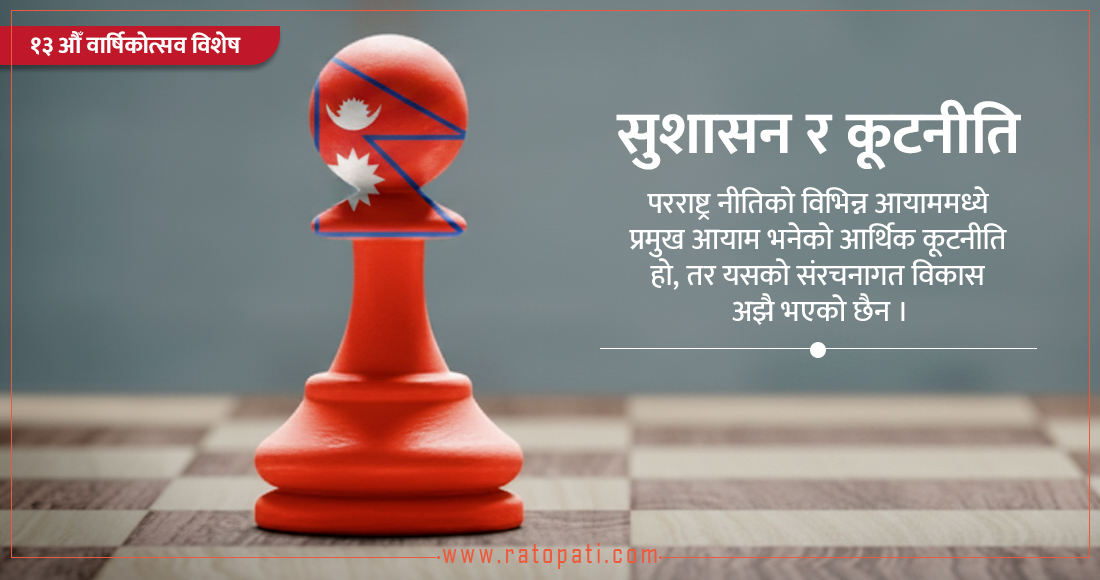
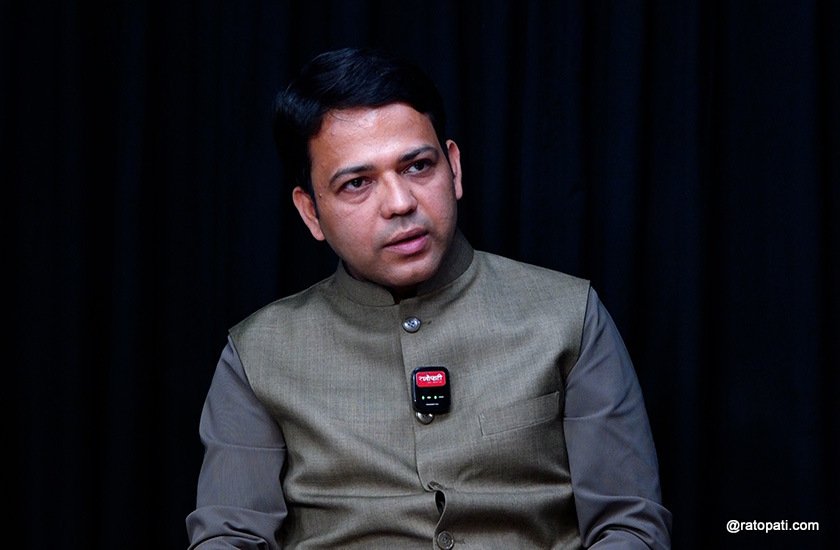
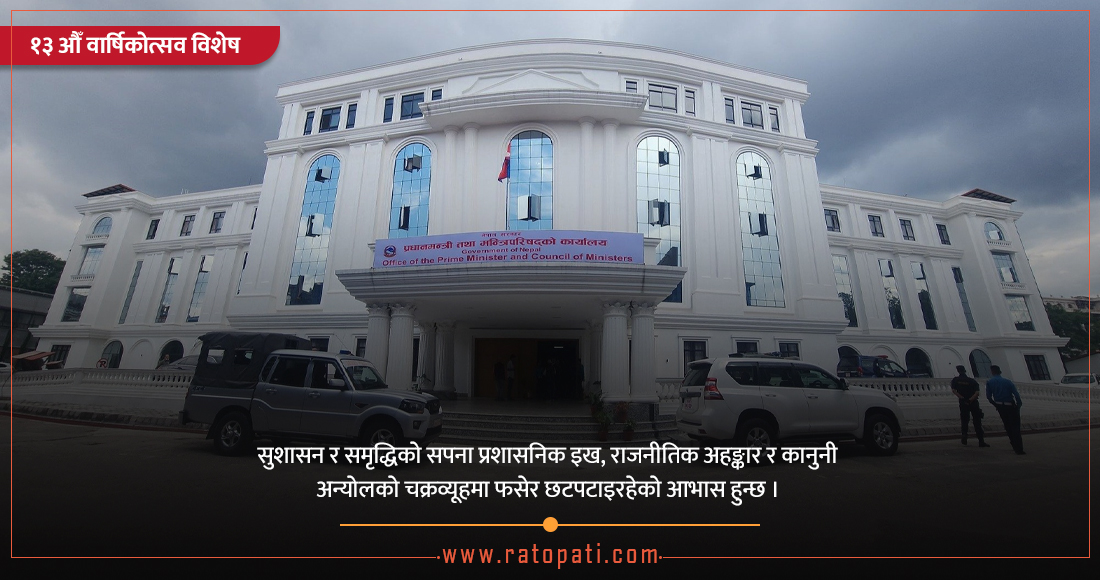
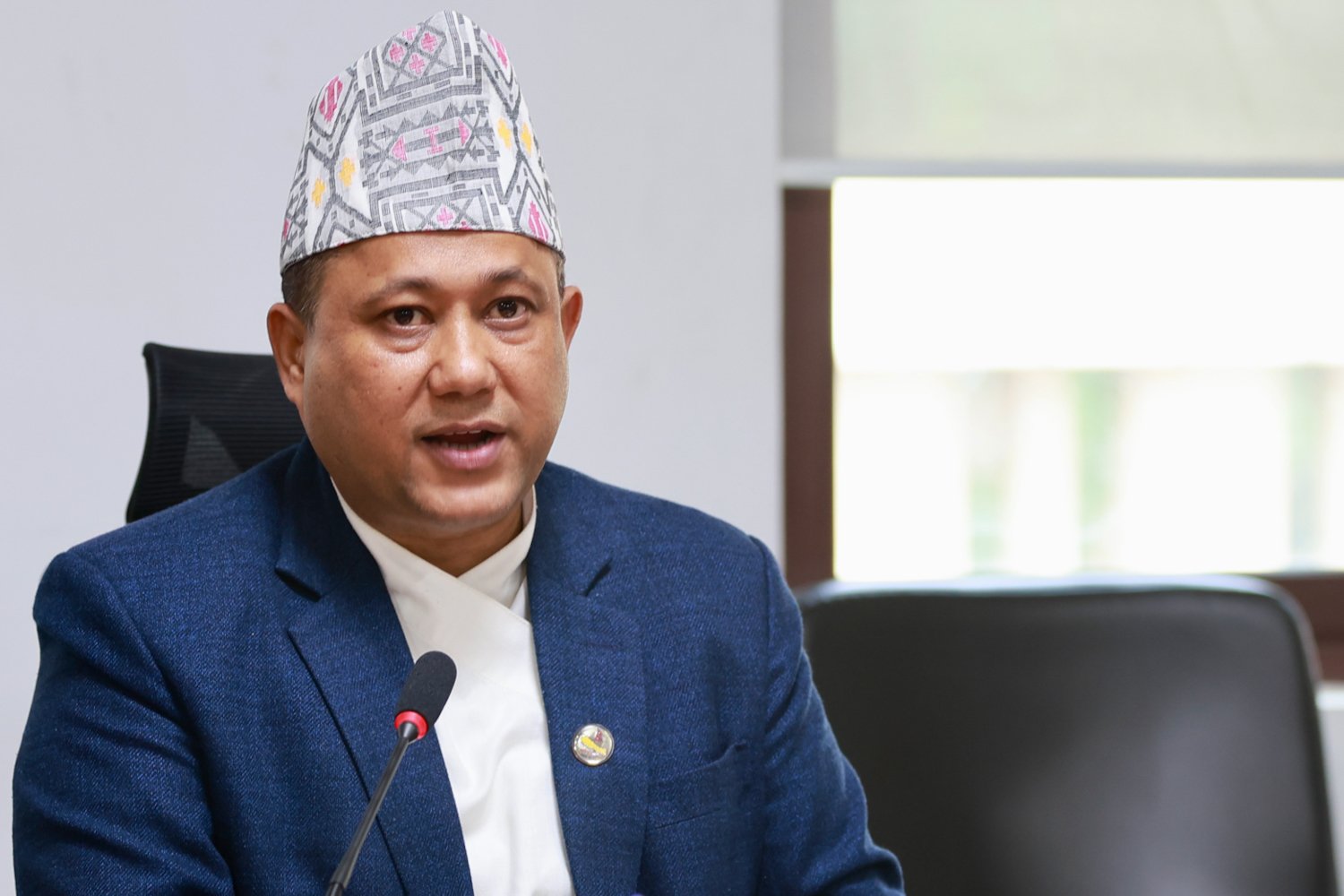
Kathmandu. The Ministry of Foreign Affairs has been advancing various tasks within its jurisdiction under the agenda of governance reform. According to the spokesperson and joint secretary of the Ministry of Foreign Affairs, Lok Bahadur Chhetri, work is being carried out with economic prosperity and good governance as the main basis. 'The issue related to the restructuring of embassies is related to economic prosperity, while issuing open advertisements for ambassadorial appointments is related to good governance,' he said.
The government has decided to close missions in places that are not very useful, citing the reduction of economic burden, and has abolished some consular offices. Similarly, the government has invited applications through open advertisements, aiming to eliminate the practice of appointing ambassadors through party quotas.
An app has been operated to ensure good governance in foreign employment and consular services, which will make it easier for Nepalis abroad and their families to complain or get information, said Foreign Ministry spokesperson Chhetri. Previously, there were complaints of delays in addressing applications or grievances. It is expected that the use of the app will not cause delays in addressing complaints.
The Ministry of Foreign Affairs has stated that service recipients will not face unnecessary hassle as the app will provide information on why a task is delayed. The number of people coming with complaints to the Consular Section alone is an average of 105 per month. After the app is operational, complaints can be lodged from home.
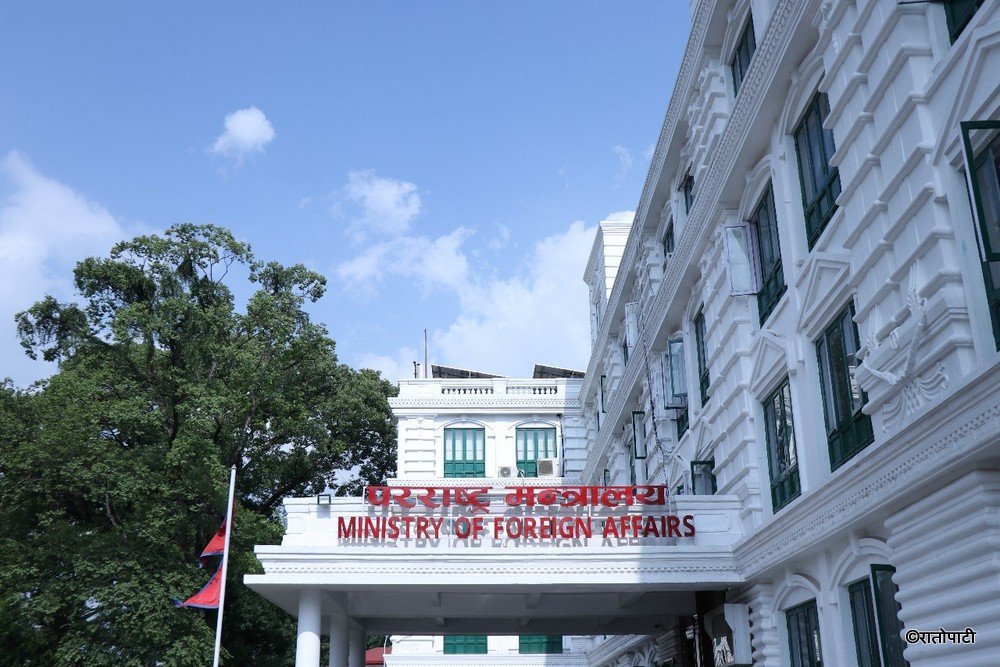
Similarly, the Ministry of Foreign Affairs claims that delivering passports to homes via mail is also an example of good governance. The ministry is expanding online services for passport fee payments. According to the ministry, online services are currently operational in 36 districts, and this service will be launched in at least 60 district administration offices.
The government plans to establish a Rescue and Refund Fund for purposes such as rescuing Nepali citizens who have gone for foreign employment without labor approval, those who have gone abroad on study, visit/tourist visas, and other visas, as well as for managing bodies and providing legal aid.
The Ministry of Foreign Affairs claims that once this fund is implemented, the need to seek assistance from families and community organizations for the immediate rescue of Nepalis stranded or in trouble abroad, and for bringing the bodies of Nepali citizens who have died abroad to Nepal, will end.
The Ministry of Foreign Affairs is preparing to expand the online system of consular authentication to make document authentication services more effective, systematic, technology-friendly, and service-oriented.
- Emphasis on Economic Diplomacy
The Ministry of Foreign Affairs has revised its organizational structure, increasing the number of divisions from 10 to 15. This has helped to remove delays in diplomatic work and provide specialized and faster services.
The Ministry of Foreign Affairs has established a separate Economic Diplomacy Division for economic prosperity, which will work to attract foreign investment, increase exports, and mobilize foreign aid, the ministry said. This will find global markets for Nepali products and work to maximize customs duty exemptions, said spokesperson Chhetri.
Considering the importance of economic diplomacy, the Ministry of Foreign Affairs established the Economic Diplomacy Division under the leadership of a joint secretary a year ago. Currently, Maniratna Sharma is the head of the division. The Economic Diplomacy Division coordinates with various countries and domestic bodies on economic aid, attracting investment, and other matters. The government also plans to prioritize economic diplomacy in its foreign policy.
The objective of the foreign policy is to achieve effective results through economic diplomacy in areas such as mobilizing development assistance, increasing foreign investment, promoting export trade, and tourism. The Ministry of Foreign Affairs stated that economic diplomacy plays a positive role in facilitating the search for global markets for domestic products and obtaining information about trade promotion possibilities through embassies.
The ministry is also working to attract foreign investors. Through Nepali embassies and diplomatic missions abroad, direct interaction with foreign investors, providing information about the investment environment in Nepal, and facilitating technology transfer are also being carried out through the Ministry of Foreign Affairs.
The ministry has also activated missions to promote Nepal's natural beauty and destinations like Sagarmatha and Lumbini internationally to attract foreign tourists. For this, the Ministry of Foreign Affairs is also coordinating with provincial governments. Similarly, a new 'Labor Migration and Nepali Diaspora Coordination Division' has been established to protect the rights and interests of Nepalis in foreign employment and to connect the capital, knowledge, and skills of non-resident Nepalis with Nepal's development.
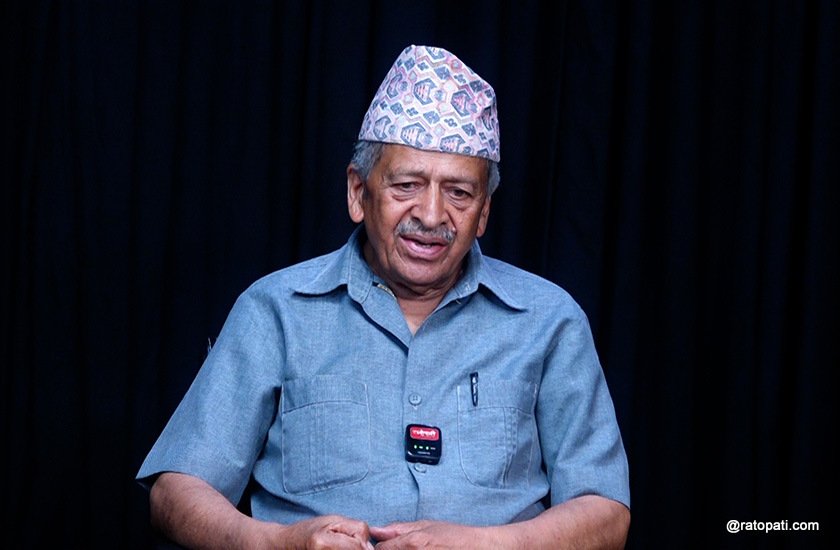
Among the various dimensions of foreign policy, economic diplomacy is a major dimension, but its structural development has not yet occurred, says senior researcher Khagnath Adhikari. In his article in the 'Administration' journal of the Ministry of Federal Affairs and General Administration, Adhikari writes, 'It is not that nothing was done in the field of economic diplomacy before that. History mentions trade relations between Nepal and Tibet since the 18th century. Similarly, Nepal, India, and Tibet had developed as centers of trade.'
Professor and economist Achalraj Pandey of the Department of International Relations and Diplomacy at Tribhuvan University stated that structural development in economic diplomacy has not occurred. He said that although work has been done in the field of economic diplomacy in Nepal for a long time, the policy and theoretical work has not been as much as it should have been.
At a review and coordination program on economic diplomacy organized by the Economic Diplomacy Division of the Ministry of Foreign Affairs, former president of the Non-Resident Nepali Association (NRNA), Dr. Badri KC, also suggested that policy, institutional, and structural reforms are necessary to make Nepal's economic diplomacy and international trade promotion effective.
Although work has been done in the field of economic diplomacy, experts say that structural development has not yet occurred. Officials from the Ministry of Foreign Affairs, however, claim that they are working in the field of economic diplomacy by developing structural development in terms of policy and theory.
They say that grants, aid, and loans provided by various countries are the result of economic diplomacy. They also state that assistance from the World Bank, International Monetary Fund, and others is possible due to economic diplomacy. Those officials claim that embassies and various missions are part of the economic diplomacy structure.
_wJiJs147na.jpg)
A joint secretary of the Ministry of Foreign Affairs said, 'If there had been no structural development in the field of economic diplomacy, foreign investment in Nepal would not have come. The Ministry of Foreign Affairs coordinates import-export and investment conference activities through various structures. As needed according to the times, if there are some shortcomings, we are also working to build additional structures.'
Commitments for foreign investment exceeding three and a half billion rupees have been received in the first ten months of the current fiscal year. Similarly, foreign investment worth three billion 670 million rupees has already entered in the first nine months of the current fiscal year. The Ministry of Foreign Affairs claims that economic diplomacy has also contributed to this.
The current government appears to have placed special emphasis on economic diplomacy for economic prosperity. In the budget for 2083/084, presented by Finance Minister Swarnim Wagle on Jestha 15, it is mentioned that economic diplomacy will be maximally utilized for economic prosperity and development. The government has adopted a policy of effectively utilizing 'soft power' and economic diplomacy for economic prosperity.
The budget statement mentions enhancing the capacity of diplomatic missions to expand international trade, promote tourism, and attract foreign investment. The government has also emphasized the management of expert human resources. To make trade diplomacy more result-oriented, the budget includes deploying experienced and expert human resources from the commercial sector in diplomatic missions.
Thus, the budget for the upcoming fiscal year aims to develop the diplomatic mechanism as a strong basis for attracting foreign investment and promoting trade, rather than limiting it to political relations.
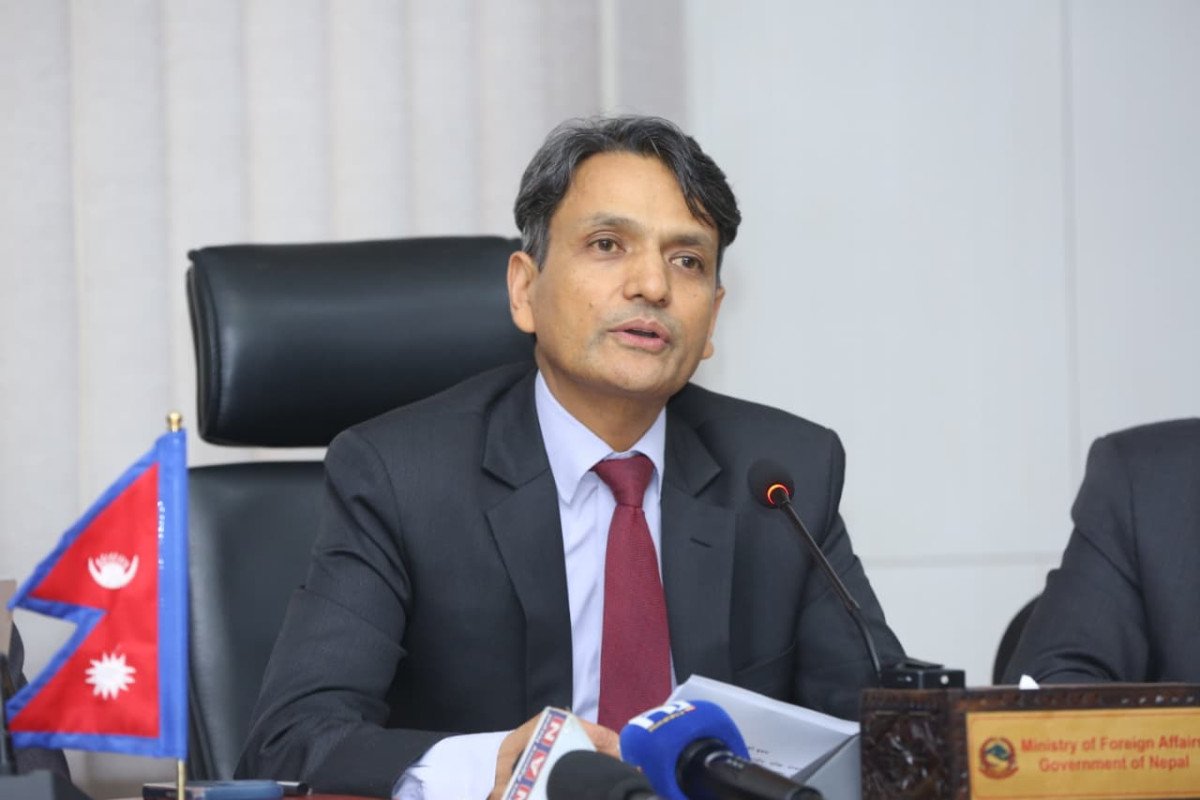
Spokesperson Chhetri of the Ministry of Foreign Affairs said that economic diplomacy is a major priority of the government. Clarifying that the government is active for the country's economic growth through foreign trade, investment, and tourism, he said, 'Economic diplomacy is a major priority of the government. Necessary work is being done for Nepal's economic growth through means such as trade promotion, foreign investment, tourism, and health tourism.'
Various development-related treaties and agreements between two countries fall under economic diplomacy. Professor Pandey clarified that most of the work done by the Ministry of Foreign Affairs, Ministry of Finance, and Ministry of Labor falls under economic diplomacy.
Various missions such as Consulates General, Residential Embassies, Honorary Consuls, etc., are in operation to energize Nepal's economy globally. Professor Pandey states that Nepali missions in various countries are not only expanding political and diplomatic relations between the two countries but also advancing economic diplomacy.
The primary responsibility for Nepal's economic diplomacy and ensuring good governance lies with the Ministry of Foreign Affairs. The Ministry of Foreign Affairs, through itself and Nepalis abroad, has been carrying out various activities for economic prosperity. The ministry undertakes tasks from planning economic diplomacy to monitoring its implementation. Additionally, the ministry strives to promote economic interests by interacting with foreign business communities during high-level visits from Nepal.

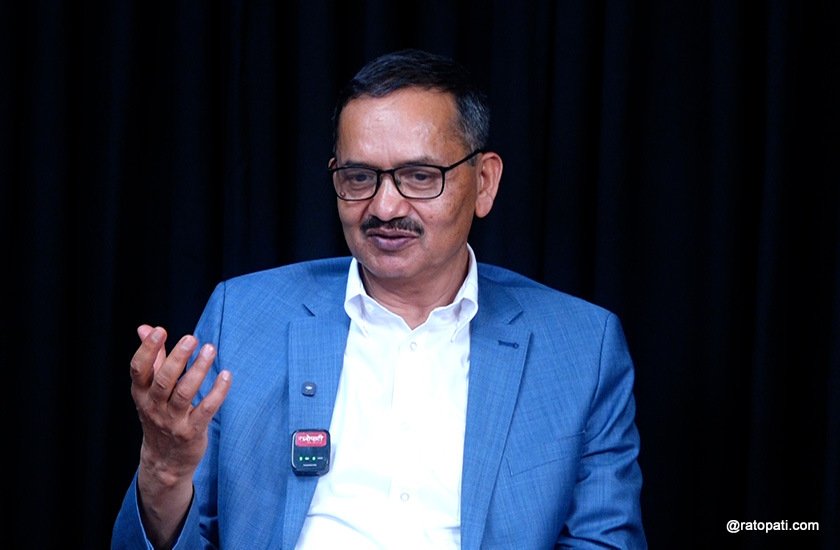
Foreign Secretary Amrit Bahadur Rai said that Nepal's foreign relations should be elevated beyond the traditional political sphere and economic diplomacy should be prioritized. He stated that economic diplomacy plays a significant role in strengthening Nepal's national interest, economic prosperity, and international competitiveness, and therefore, work should be done in this area.
Secretary Rai stated that diplomatic efforts should focus on attracting foreign investment, promoting trade, expanding tourism, technology transfer, and developing entrepreneurship.
He emphasized the need to make economic diplomacy more effective. He stated that the role of embassies is crucial in expanding Nepal's trade, investment, tourism, and foreign employment opportunities through economic diplomacy.
Areas such as agreements related to international organizations like the World Bank, International Monetary Fund, United Nations Conference on Trade and Development, foreign aid, technology transfer, trade councils, and trade groups fall under economic diplomacy.
This specific news has been automatically translated by AI. As a result, there may be some inaccuracies or language errors.